
 GB(GBP)
 CN(CNY)
Blog
The Allure of Emeralds: A Guide to Identifying Natural Gemstones
- Sep.18, 2025 13:45:55
- 0 Comments
Emeralds, with their captivating green hues, have been cherished for centuries as symbols of elegance and rebirth. However, the market is filled with synthetic, treated, or imitation stones, making it essential for buyers to understand how to identify genuine emeralds. In this blog post, we’ll explore the key characteristics of natural emeralds and share tips to help you make an informed choice.
---
1. **Color: The Heart of an Emerald**
The most valued emeralds display a rich, vivid green with a slight bluish or yellowish undertone. Keep in mind:
- **Natural variations**: Genuine emeralds often exhibit subtle color zoning or uneven saturation.
- **Synthetic stones**: Lab-created emeralds may appear overly uniform or bright, lacking the depth of natural gems.
---
2. **Clarity: Embrace the "Jardin"**
Natural emeralds are known for their inclusions, often referred to as *jardin* (French for "garden"). These internal characteristics, such as fissures, gas bubbles, or mineral deposits, are proof of authenticity.
- **Treated emeralds**: Many are clarity-enhanced with oils or resins to minimize the visibility of inclusions. Look for residue or fluorescence under UV light.
- **Synthetics**: Lab-grown emeralds may contain fewer inclusions or display patterns like "veiling" or "feathers."
---
3. **Cut and Transparency**
Emeralds are often cut in step-shaped styles (e.g., "emerald cut") to maximize color and protect the stone from damage.
- **Window effect**: Poorly cut emeralds may show a visible "window" where color appears lighter or diluted.
- **Luster**: Natural emeralds have a vitreous (glassy) luster, while imitations like glass or green quartz may appear dull or waxy.
---
4. **Origin Matters**
Certain origins are renowned for distinct qualities:
- **Colombian emeralds**: Prized for their intense green color with slight blue undertones.
- **Zambian emeralds**: Often darker with bluish-green hues.
- **Brazilian emeralds**: Typically lighter with yellowish undertones.
---
5. **Professional Certification**
Always seek gems graded by reputable labs (e.g., GIA, AGL, or Gübelin). Reports should detail:
- Origin (if determinable).
- Treatments (e.g., oiling, resin filling).
- Clarity characteristics.
---
Shopping Tips:
- **Buy from trusted sources**: Choose jewelers with transparency about treatments and origins.
- **Use a loupe**: Examine stones under 10x magnification for natural inclusions or treatment signs.
- **Trust your instincts**: If a deal seems too good to be true, it probably is.
---
Natural emeralds are treasures of nature, each with a unique story told through its color and inclusions. By understanding these key traits, you can confidently select a gem that’s both beautiful and authentic.
Ready to find your perfect emerald? Explore our curated collection, where every stone comes with expert certification and timeless appeal.
**Discover Our Emerald Collection on www.mitchellquins.com
Post Comment
Your email address will not be published.Required fields are marked. *
-
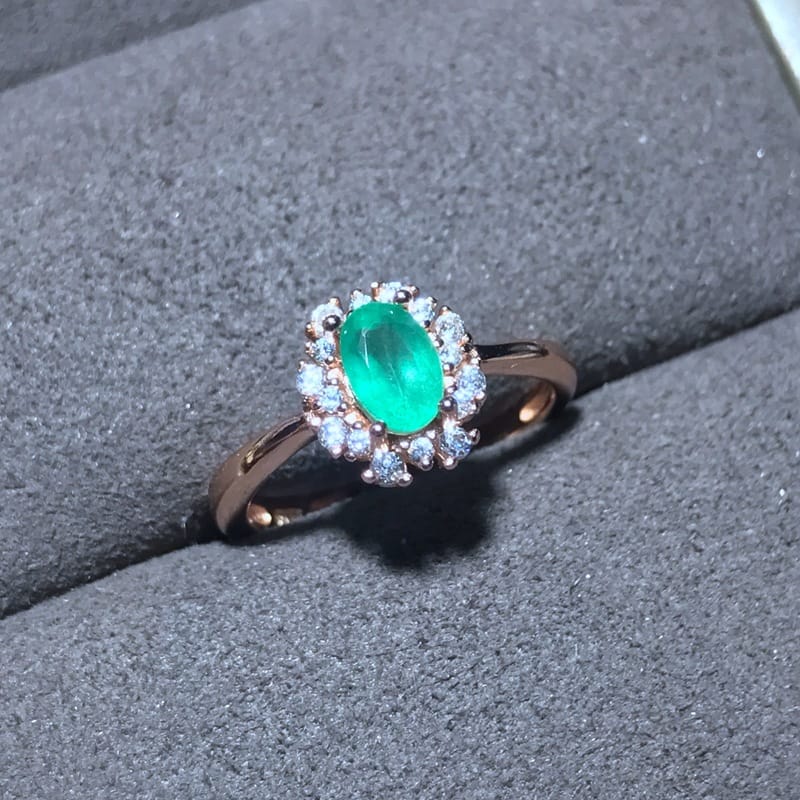
Real around drilling natural Zambian emerald ring 925 silver
$105.00

 Level 15% OFF
Level 210% OFF
Level 315% OFF
-
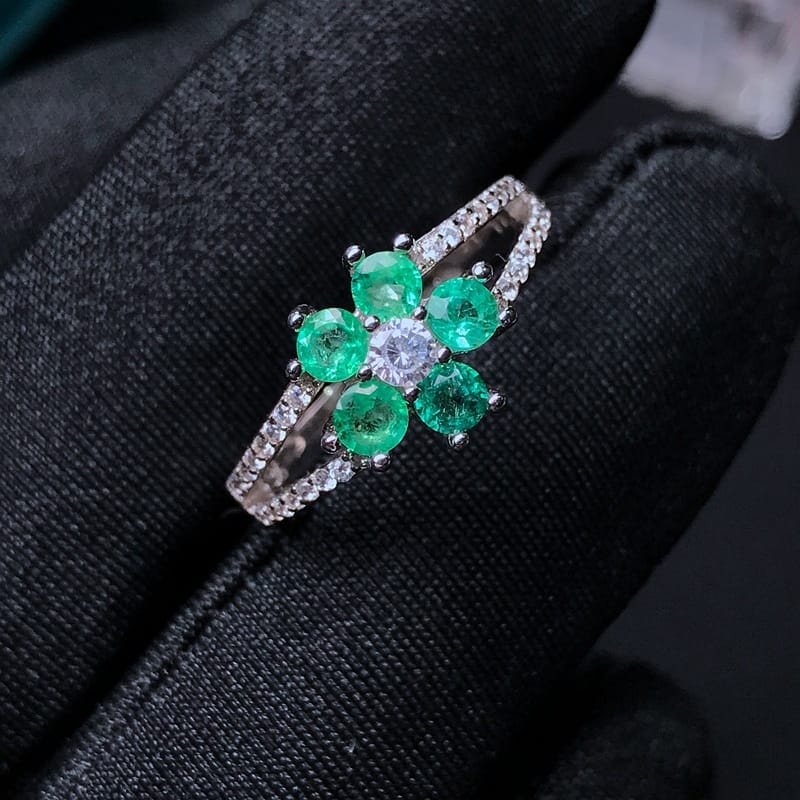
Natural Emerald Ring 925 Silver Inlaid Emerald Women's Ring for Girlfriend Gift
$190.00
Level 15% OFF
Level 210% OFF
Level 315% OFF
-
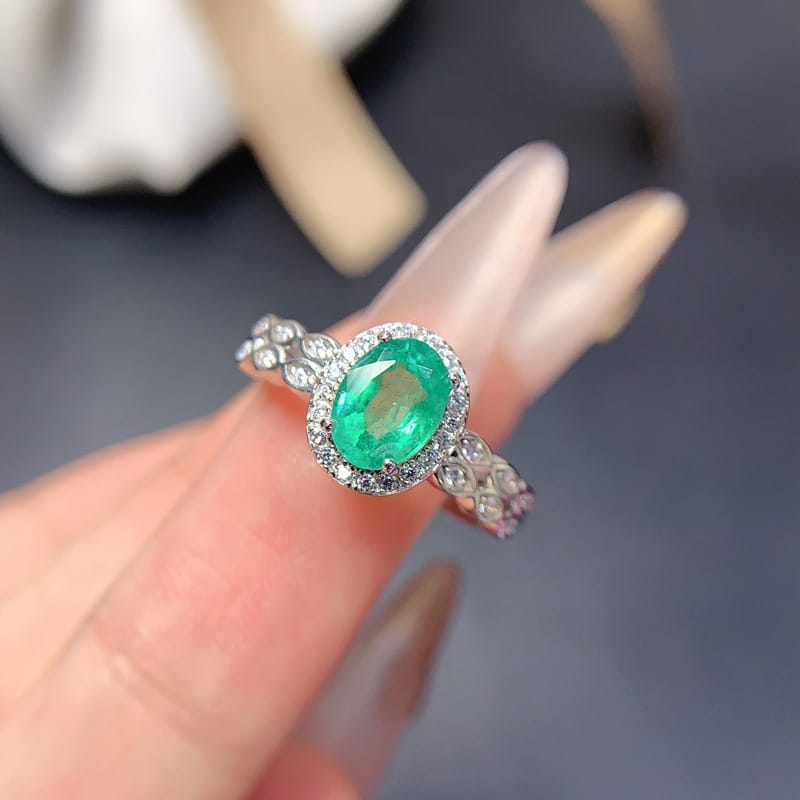
Fashion natural emerald oval 5*7mm women's ring exquisite 925 silver color green
$495.00
Level 15% OFF
Level 210% OFF
Level 315% OFF
-
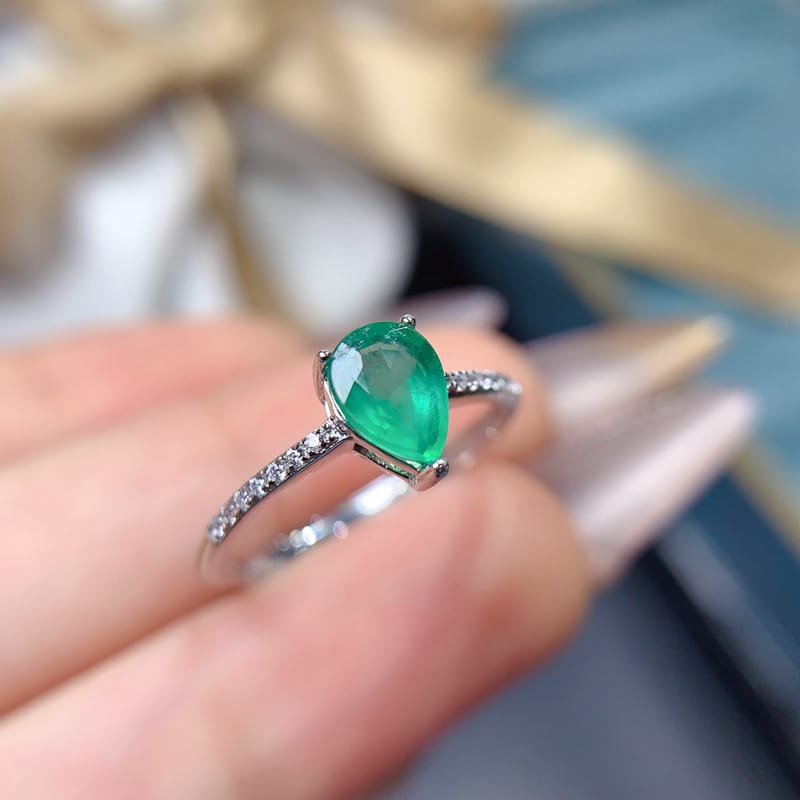
$365.00
Level 15% OFF
Level 210% OFF
Level 315% OFF
-
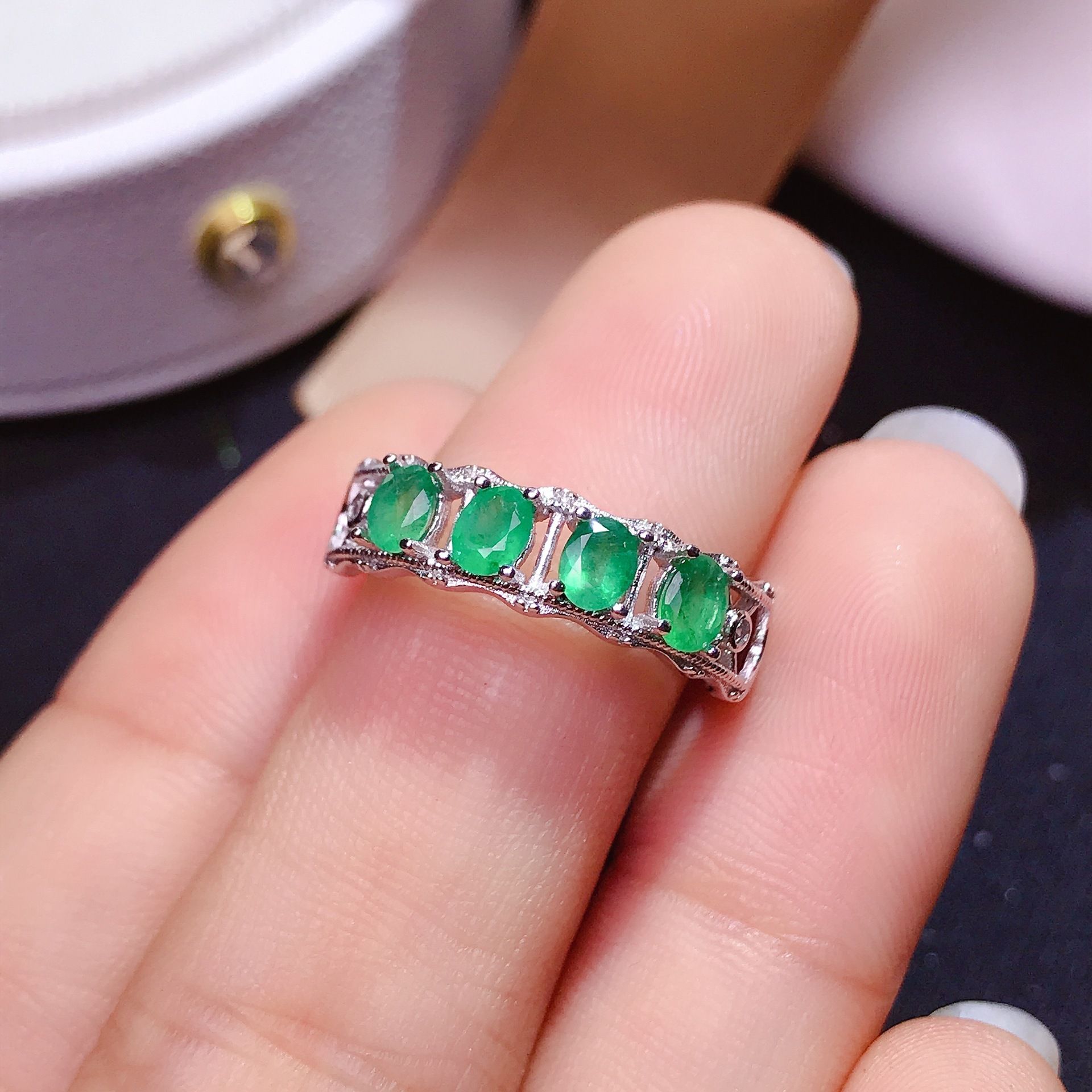
Emerald ring natural Columbia emerald ring 925 silver inlaid Emerald
$158.00
Level 15% OFF
Level 210% OFF
Level 315% OFF
-
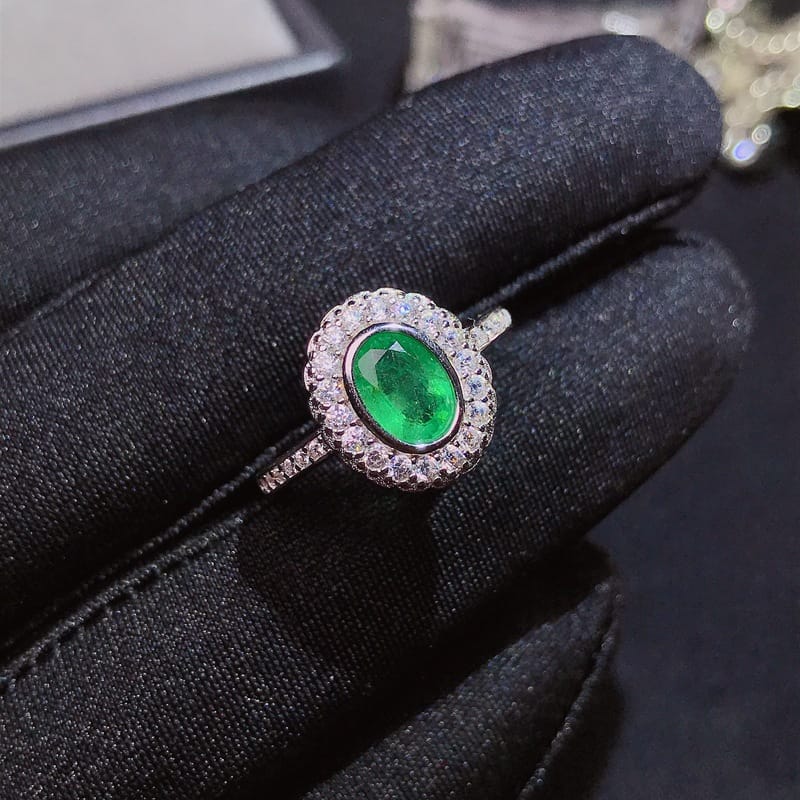
Real around drill natural Zambia 5*7mm emerald ring 925 silver
$389.69
Level 15% OFF
Level 210% OFF
Level 315% OFF
-
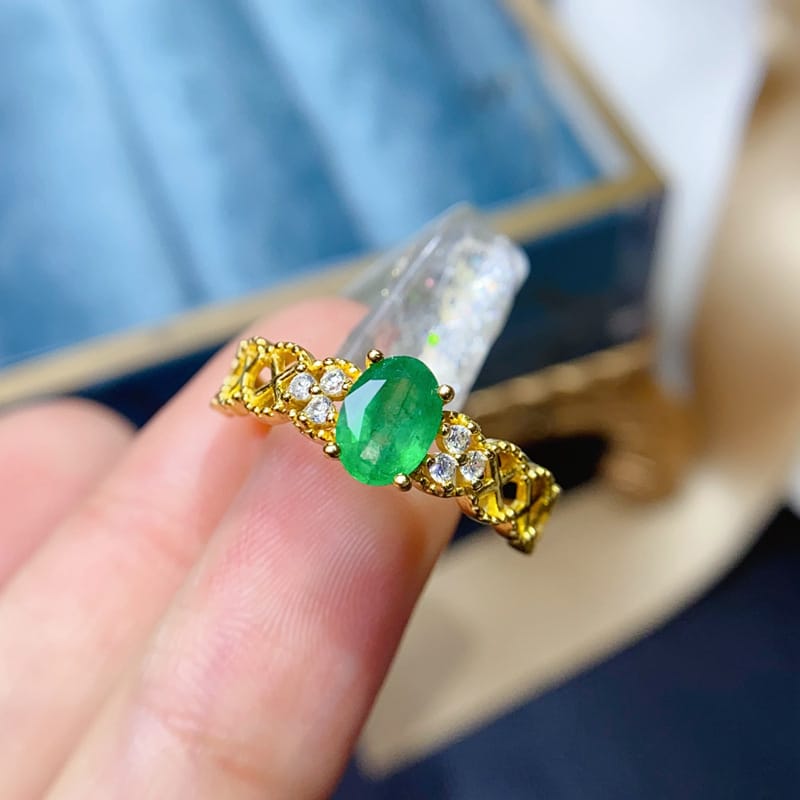
Simple 925 silver inlaid natural emerald ring 7*5mm
$530.00
Level 15% OFF
Level 210% OFF
Level 315% OFF
-
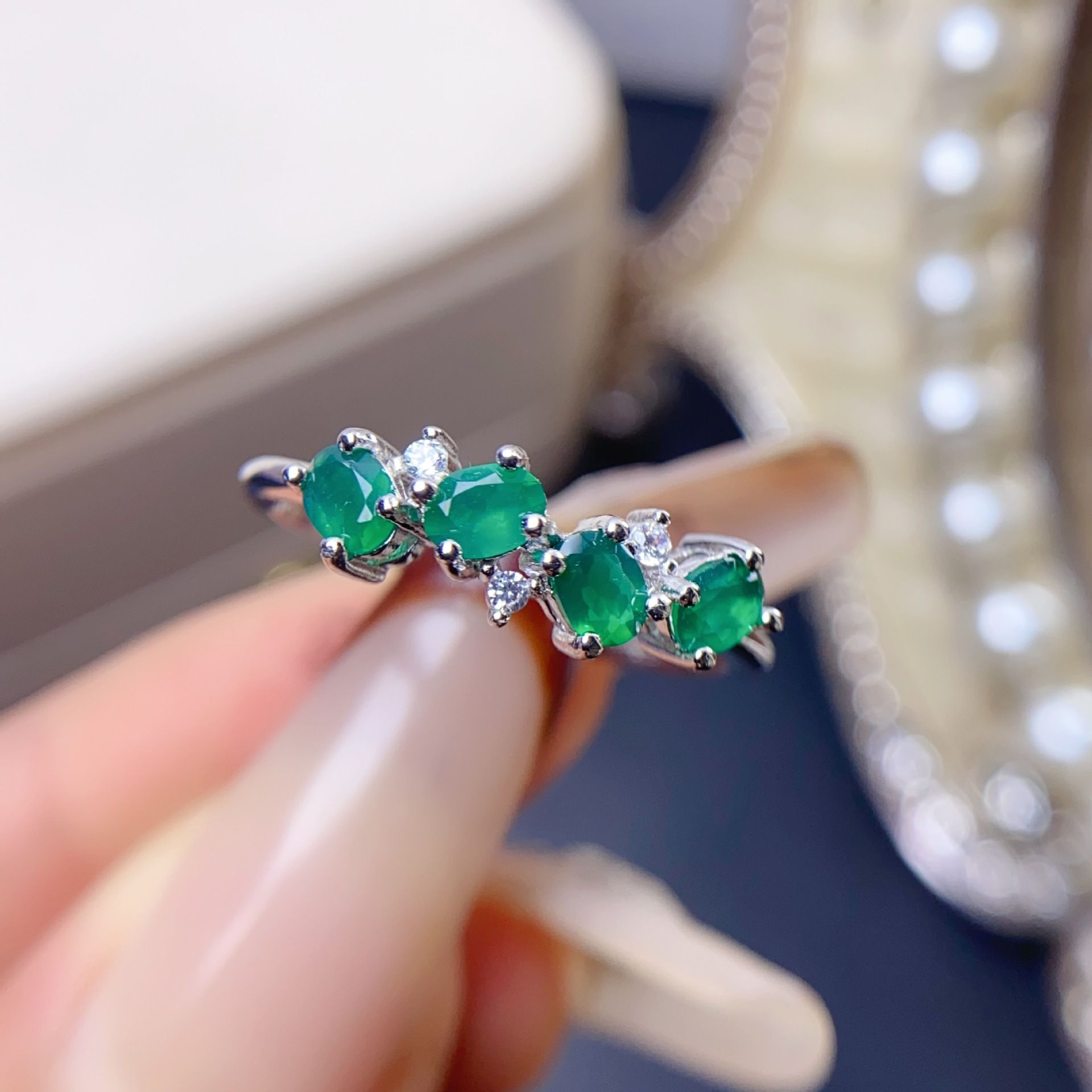
Natural Emerald women's ring main stone 3*4mm 925 Silver open style fashion colorful treasure
$170.00
Level 15% OFF
Level 210% OFF
Level 315% OFF
-
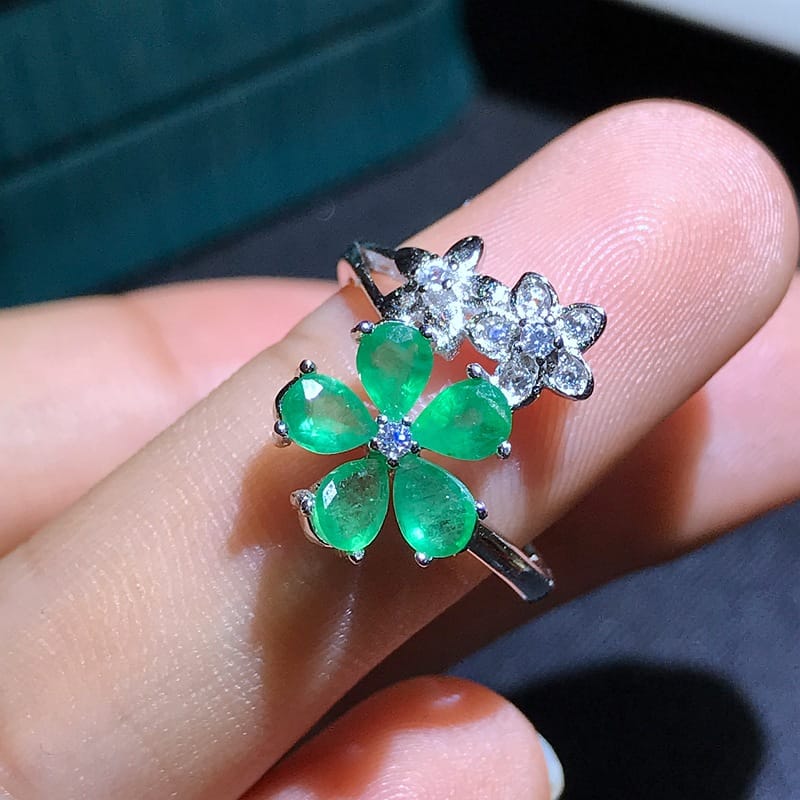
Natural emerald ring 925 silver inlaid Emerald women's ring gift for girlfriend
$298.00
Level 15% OFF
Level 210% OFF
Level 315% OFF
-
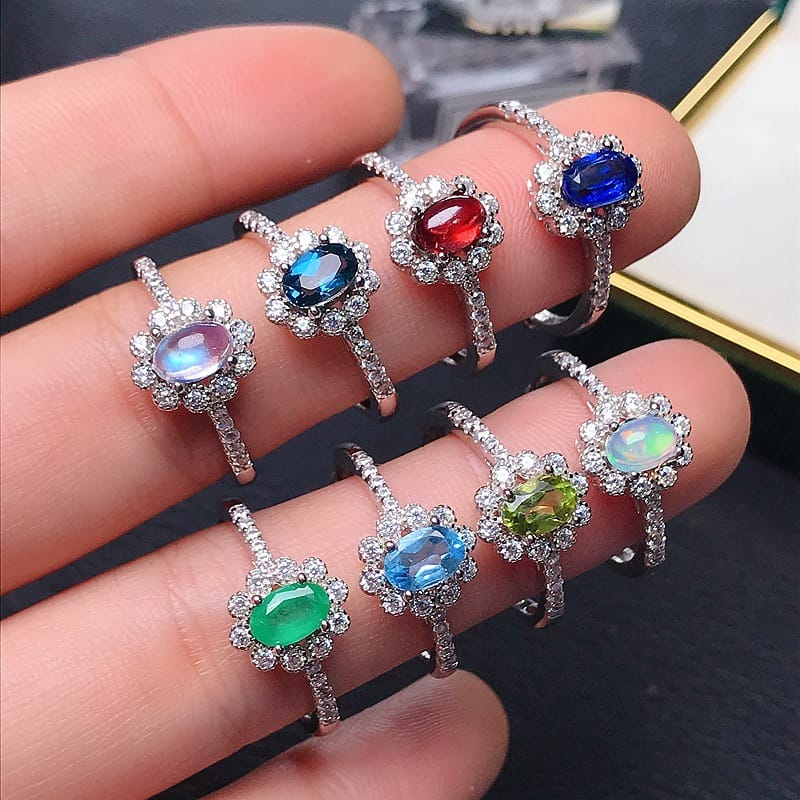
925 silver inlaid natural emerald, Opal Moonstone Topaz peridot Garnet ring
$42.00
Level 15% OFF
Level 210% OFF
Level 315% OFF
-
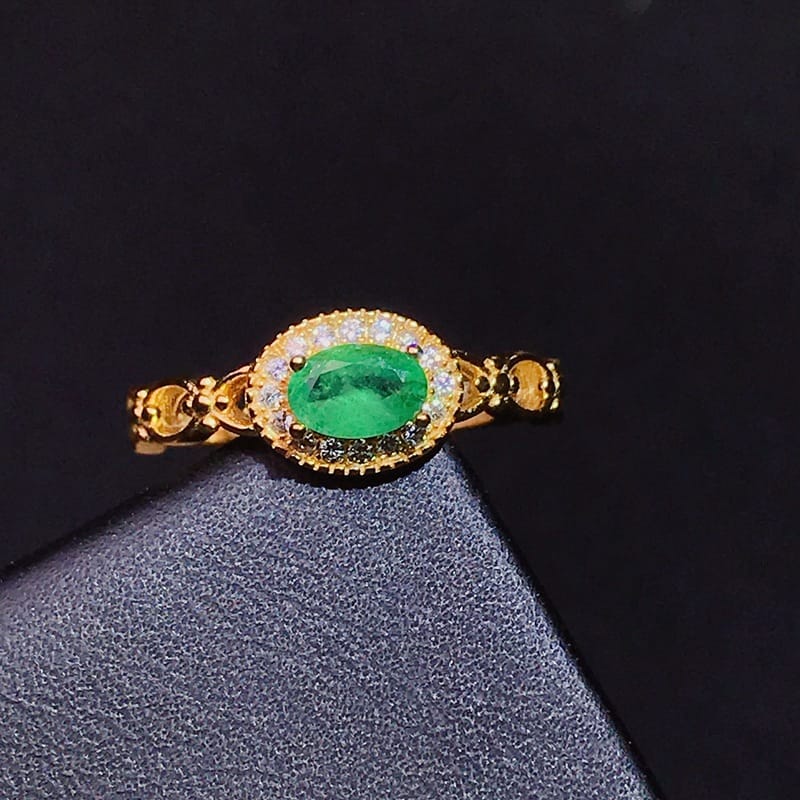
Colombian emerald ring natural support identification 925 silver
$140.00
Level 15% OFF
Level 210% OFF
Level 315% OFF
-
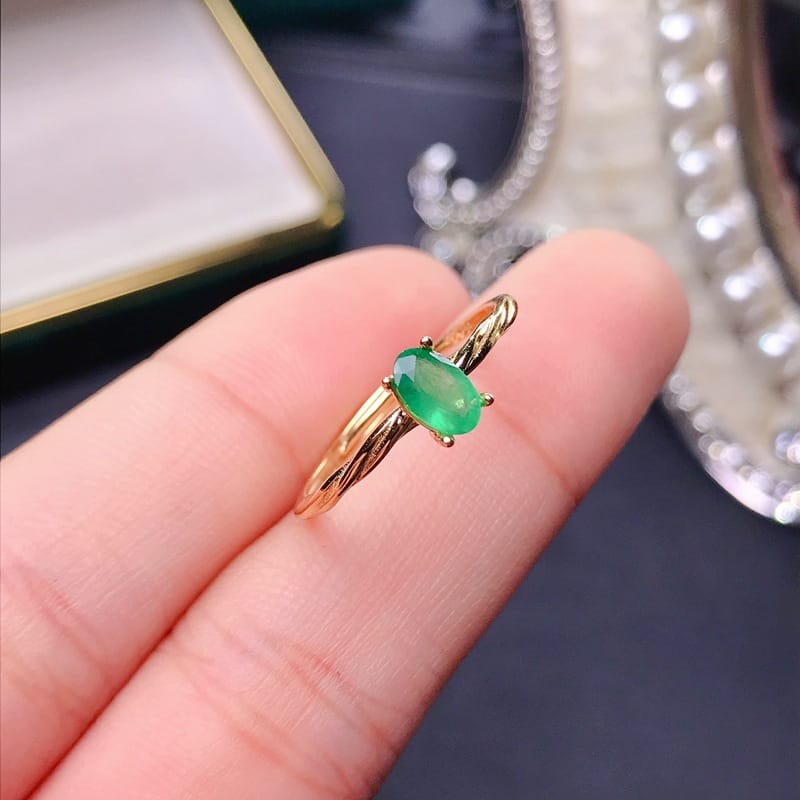
Emerald ring live ladies ring natural emerald live tremolo supply S925 silver
$149.00
Level 15% OFF
Level 210% OFF
Level 315% OFF
-
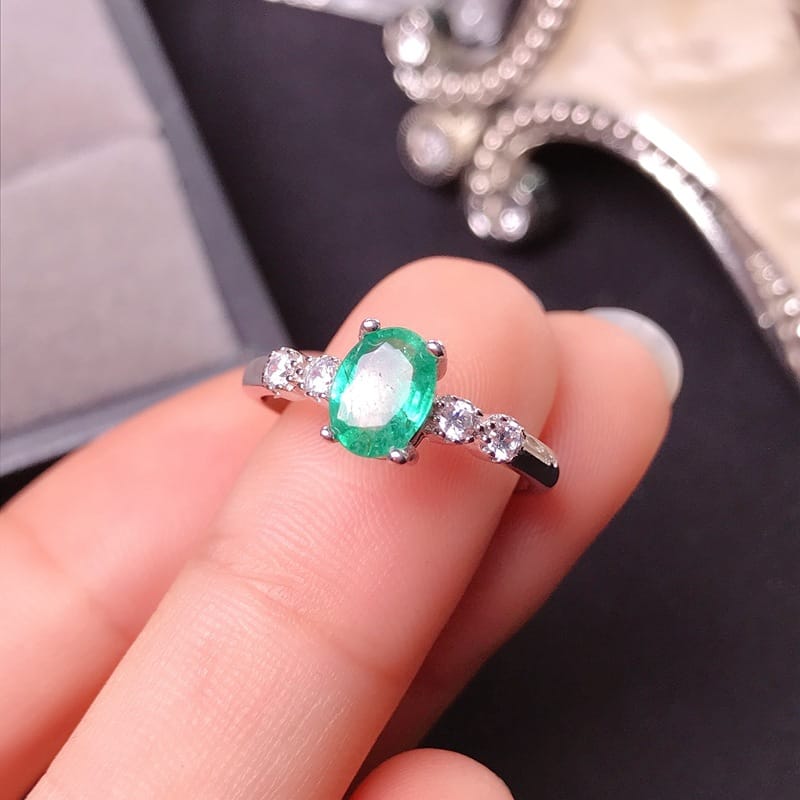
Natural emerald ring 1 karat gem 925 silver for girlfriend gift
$298.00
Level 15% OFF
Level 210% OFF
Level 315% OFF
-
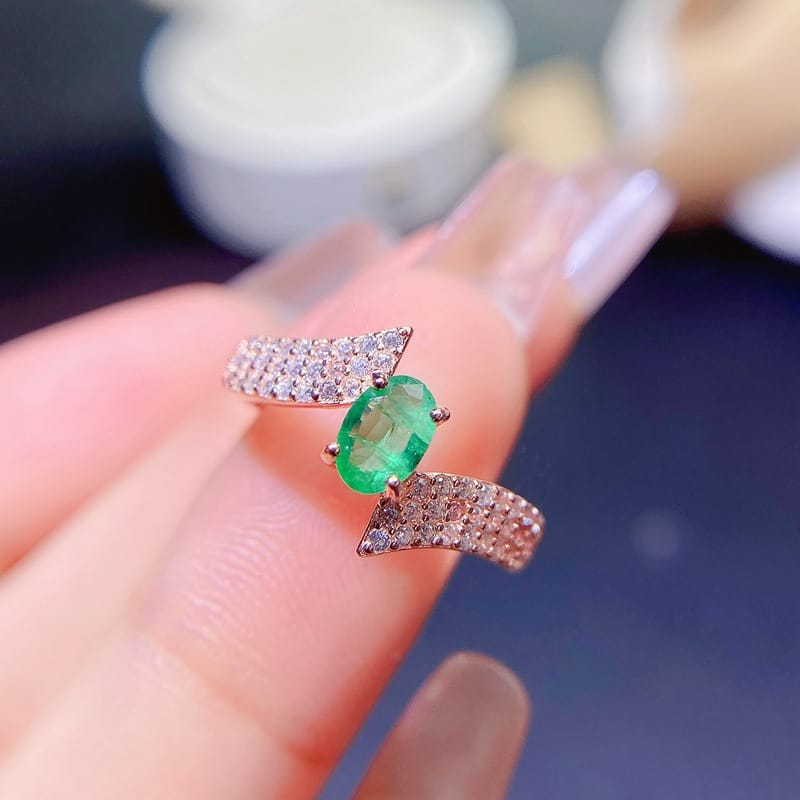
Natural Emerald women's ring main stone 5*7 exquisite women's ring 925 silver color beautiful green
$116.00
Level 15% OFF
Level 210% OFF
Level 315% OFF
-
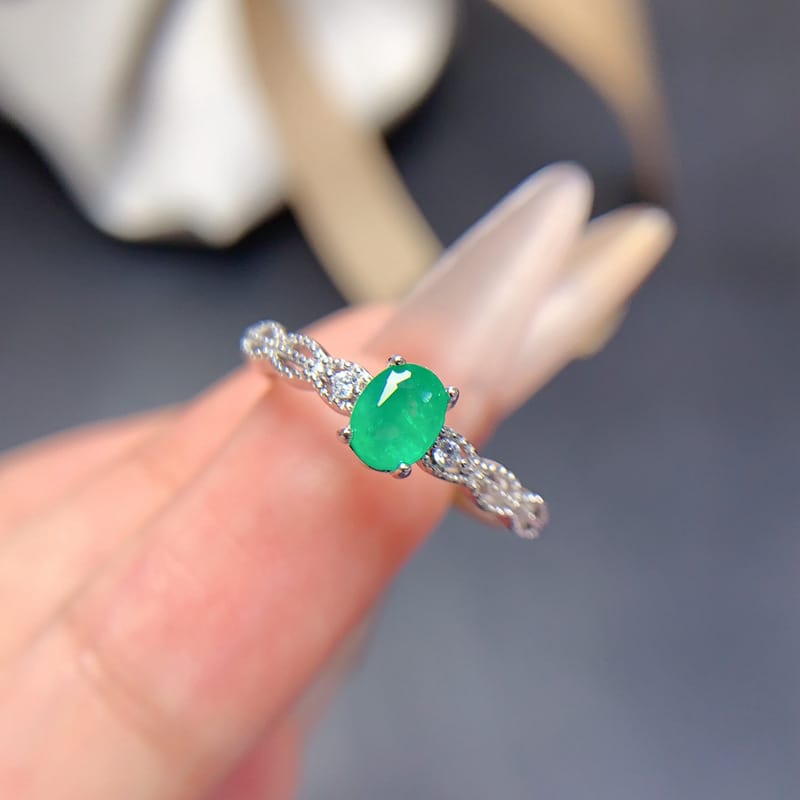
Simple natural emerald oval 5*4mm ladies ring exquisite female ring 925 silver color green detection
$155.00
Level 15% OFF
Level 210% OFF
Level 315% OFF
-
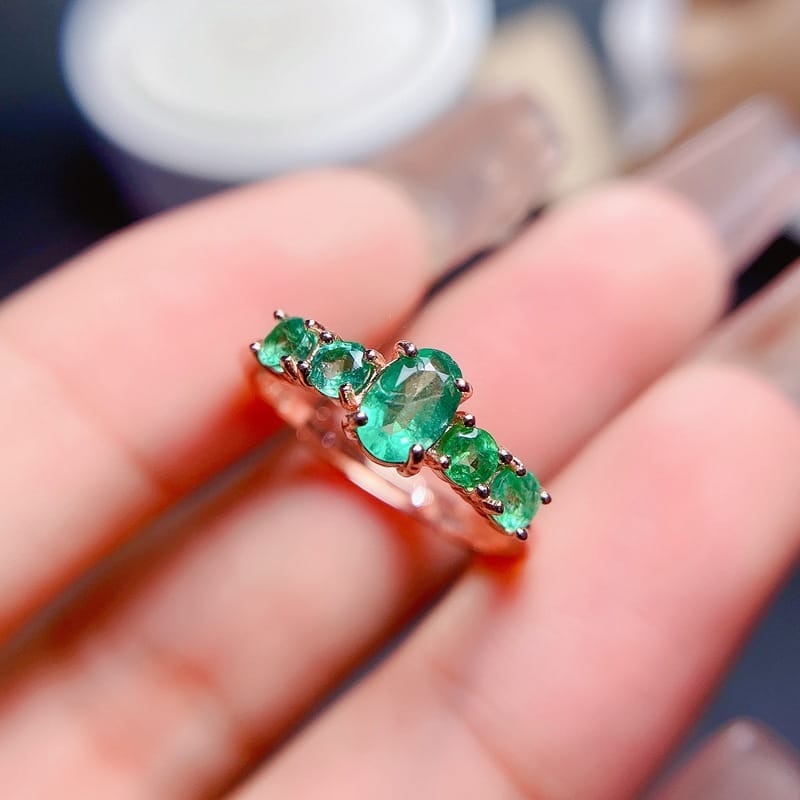
Natural Emerald ladies ring 4*6mm exquisite female ring 925 silver color beautiful green
$196.00
Level 15% OFF
Level 210% OFF
Level 315% OFF
-
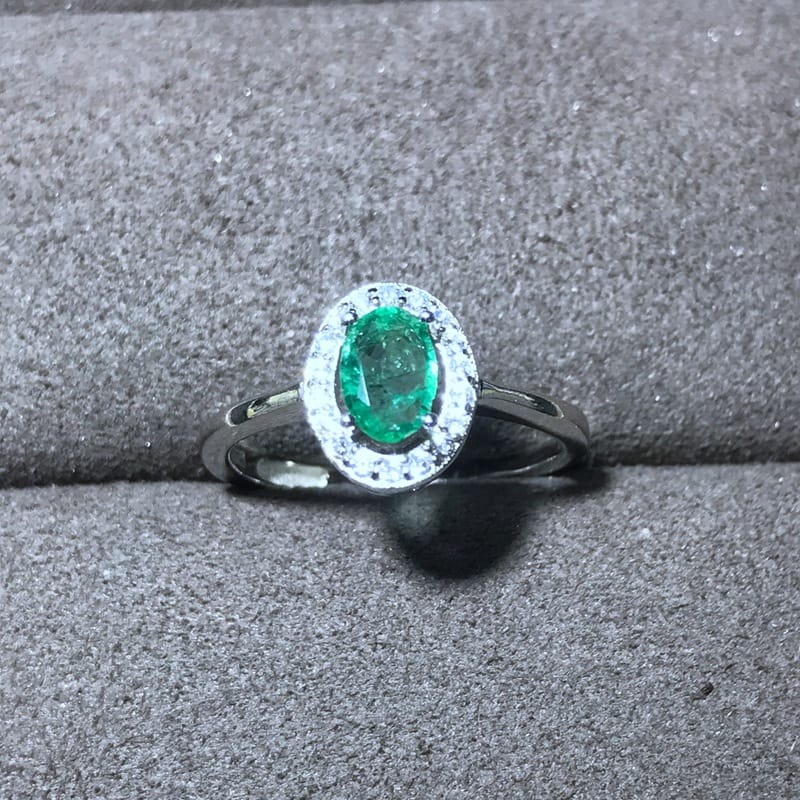
Beautiful women's ring natural emerald ring 6*4mm for girlfriend gift
$102.00
Level 15% OFF
Level 210% OFF
Level 315% OFF
-
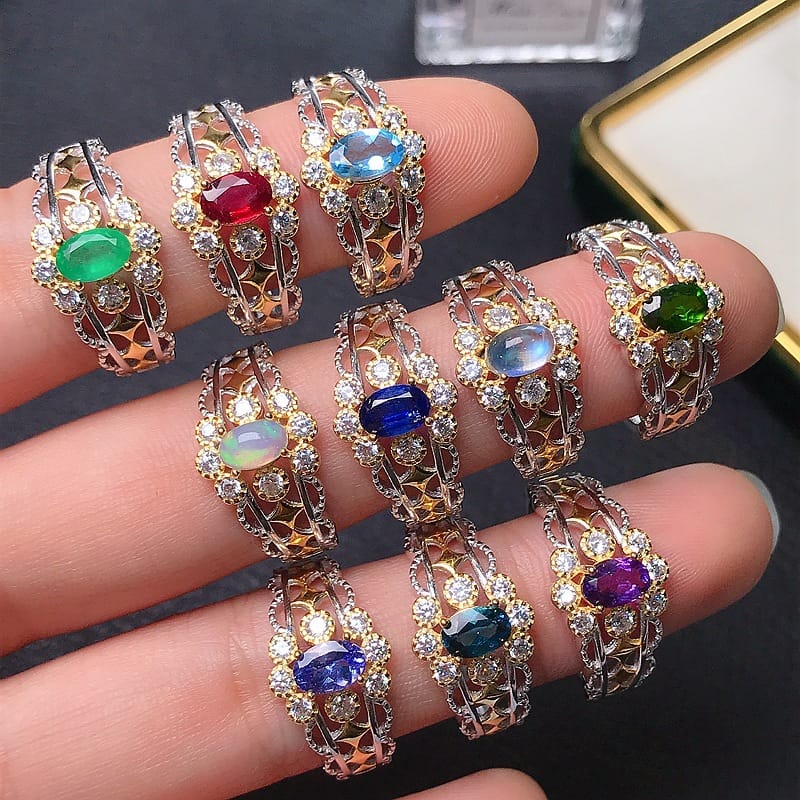
925 silver inlaid natural Emerald, Ruby ,Sapphire, Moonstone, Topaz colorful Ring
$75.00
Level 15% OFF
Level 210% OFF
Level 315% OFF