
 GB(GBP)
 CN(CNY)
Blog
The Secret of Sparkle: How to Identify Natural Rubies and Find Your Own Touch of Fire
- Sep.17, 2025 17:00:00
- 0 Comments
Ruby, known as the "King of Gems," has captivated countless jewelry enthusiasts with its fiery red hue and rare value. However, the market is flooded with synthetic, treated, or imitation rubies, leaving many consumers hesitant. In this blog post, we will guide you through the process of unveiling the mystery of rubies, teaching you how to distinguish authenticity and find a truly collectible natural ruby.
---
1. **Color: The Soul of a Ruby**
The color of a ruby is its most important value indicator. Natural rubies typically exhibit a vibrant "pigeon blood red"—a highly saturated red with a slight blue undertone. Key points to note:
- **Beware of overly perfect colors**: Synthetic rubies often appear too uniform or excessively bright, lacking the subtle variations of natural gems.
- **Observe under different lighting**: Natural rubies display a soft fluorescence under natural light, while imitations may appear dull or overly glaring.
---
2. **Clarity: Proof of Natural Origin**
Natural rubies usually contain inclusions, such as needle-like rutile or crystal包裹体, which serve as proof of their authenticity and even act as unique "fingerprints."
- **Synthetic rubies**: Often appear too clean or contain bubbles, curved growth lines, or other typical features.
- **Oil or glass filling treatments**: Some rubies are treated to fill fractures and improve clarity. Under magnification,残留 flash effects or bubbles from fillers may be visible.
---
3. **Cut and Luster: The Artisan’s Craftsmanship**
A high-quality ruby cut maximizes its color and brilliance. If the cut appears rough or asymmetrical, it may be a sign that weight was prioritized over beauty, warranting caution.
- **Luster test**: Natural rubies exhibit a vitreous to sub-adamantine luster, while glass imitations often have a weaker shine.
---
4. **Weight and Size: Reasonable Doubt**
Natural rubies over 2 carats are already considered rare. If you encounter a large "ruby" with a surprisingly low price, it is likely synthetic or imitation.
---
5. **Professional Certification: The Ultimate Assurance**
Even with the above knowledge, the most reliable method is to seek help from professional鉴定机构 (e.g., GIA, GRS).鉴定 certificates provide detailed information about the gem’s origin, treatments, and authenticity, offering final assurance for your purchase.
---
Shopping Tips:
**Choose reputable merchants**: Always purchase from trusted jewelers and request authoritative鉴定 certificates.
**Learn about origin characteristics**: Rubies from Myanmar, Mozambique, and other regions have distinct features. Familiarizing yourself with these can aid preliminary judgment.
**Trust your instincts**: If the price seems "too good to be true," it likely is.
---
The allure of rubies lies in their unique color and timeless value. Learning to distinguish authenticity not only protects your investment but also allows you to truly appreciate the wonders of nature. We hope this guide empowers you to confidently find your perfect ruby!
If you’re searching for a natural ruby, explore our curated collection, where each gem comes with authoritative certification for your peace of mind.
**Explore Our Ruby Collection on www.mitchellquins.com
Post Comment
Your email address will not be published.Required fields are marked. *
-
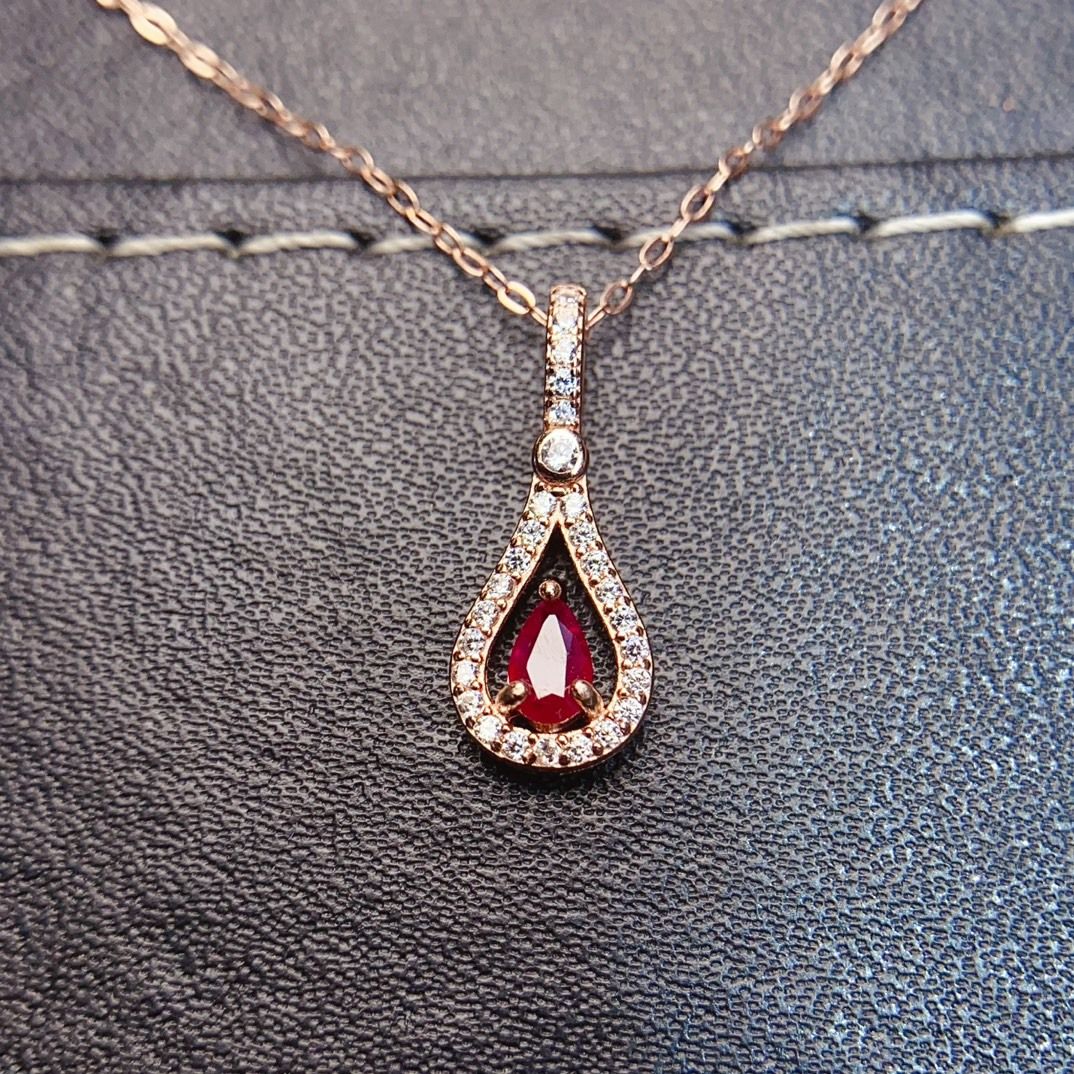
Beautiful natural ruby necklace with s925 silver for 3*5mm
$113.00

 Level 15% OFF
Level 210% OFF
Level 315% OFF
-
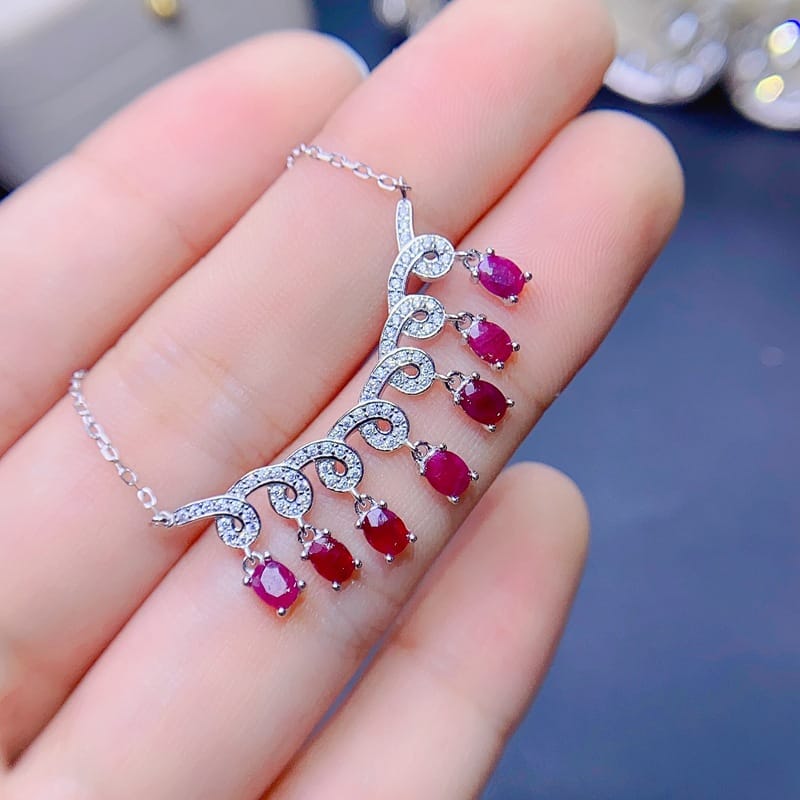
Fashion new color natural non-burnt ruby necklace 3*4mm ladies pendant
$288.00
Level 15% OFF
Level 210% OFF
Level 315% OFF
-
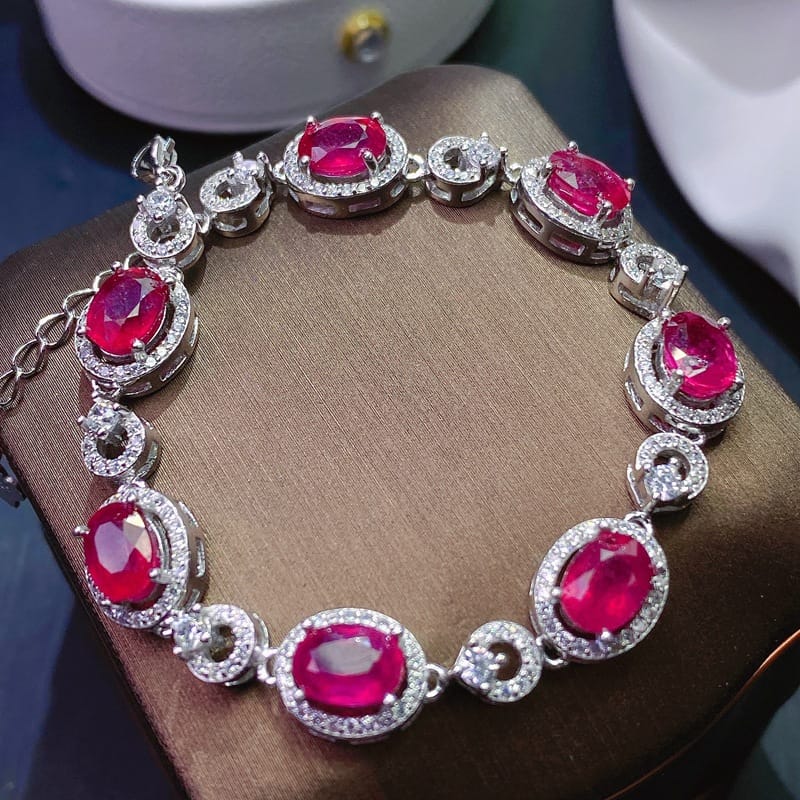
New Heated Ruby bracelet 925 silver women's bracelet
$340.00
Level 15% OFF
Level 210% OFF
Level 315% OFF
-
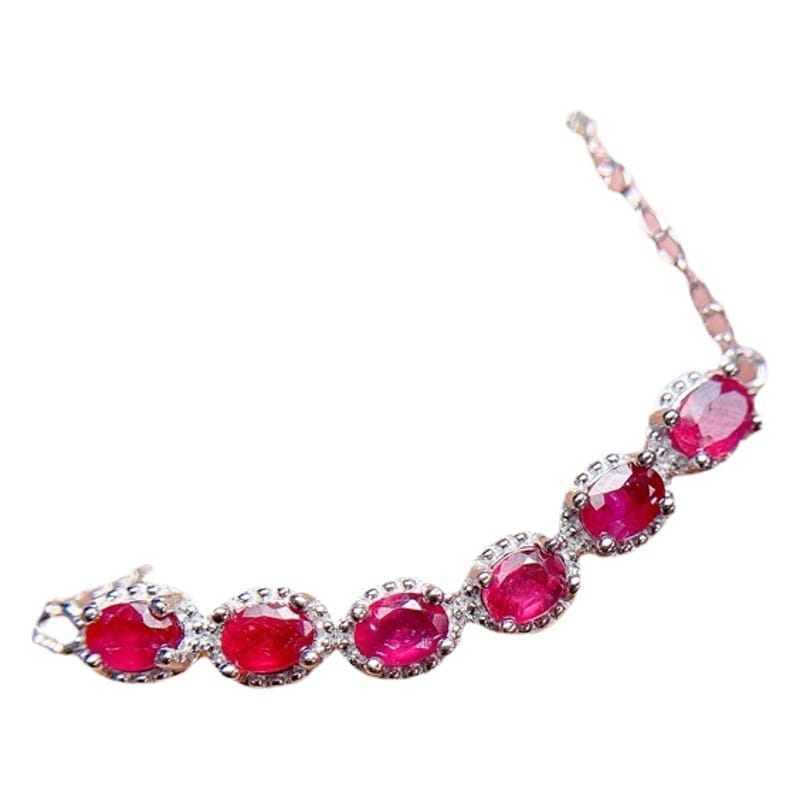
$117.99
Level 15% OFF
Level 210% OFF
Level 315% OFF
-
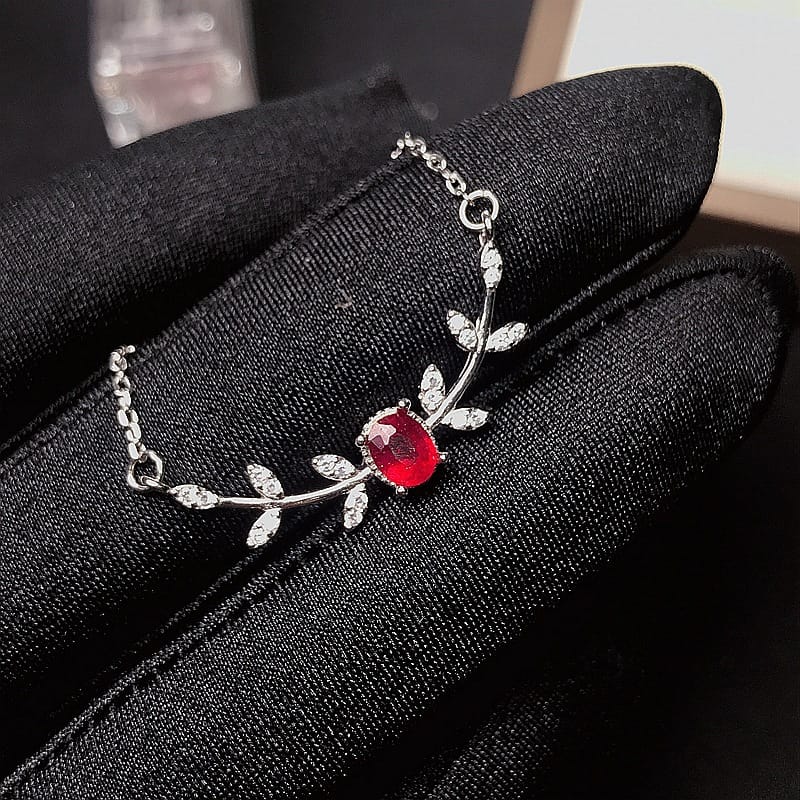
Natural ruby necklace 925 silver clavicle chain new
$89.00
Level 15% OFF
Level 210% OFF
Level 315% OFF
-
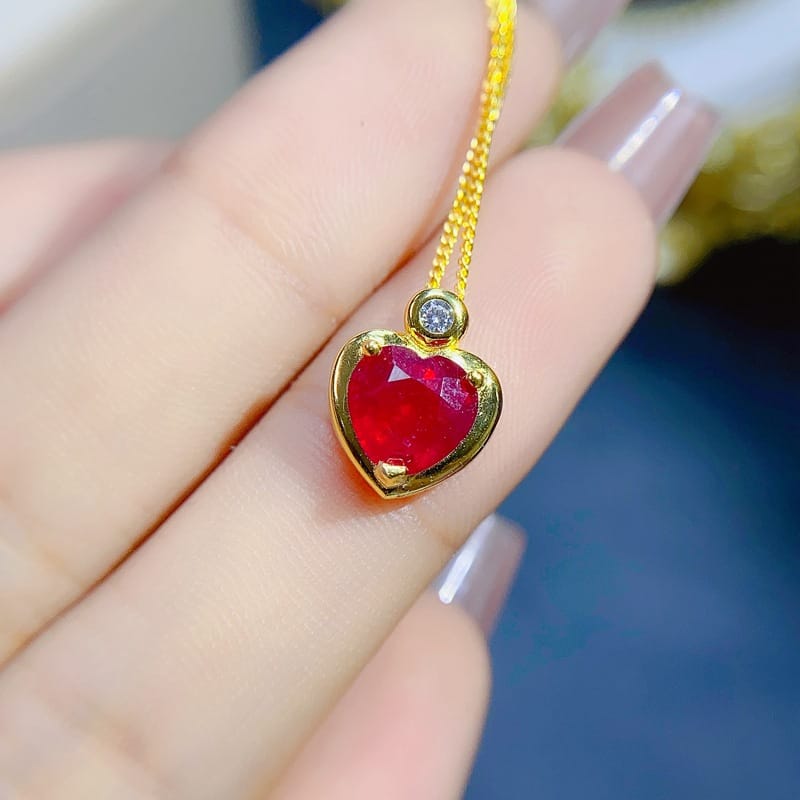
Fresh necklace natural Ruby clavicle chain 7 * 7mm women's pendant 925 silver
$99.00
Level 15% OFF
Level 210% OFF
Level 315% OFF
-
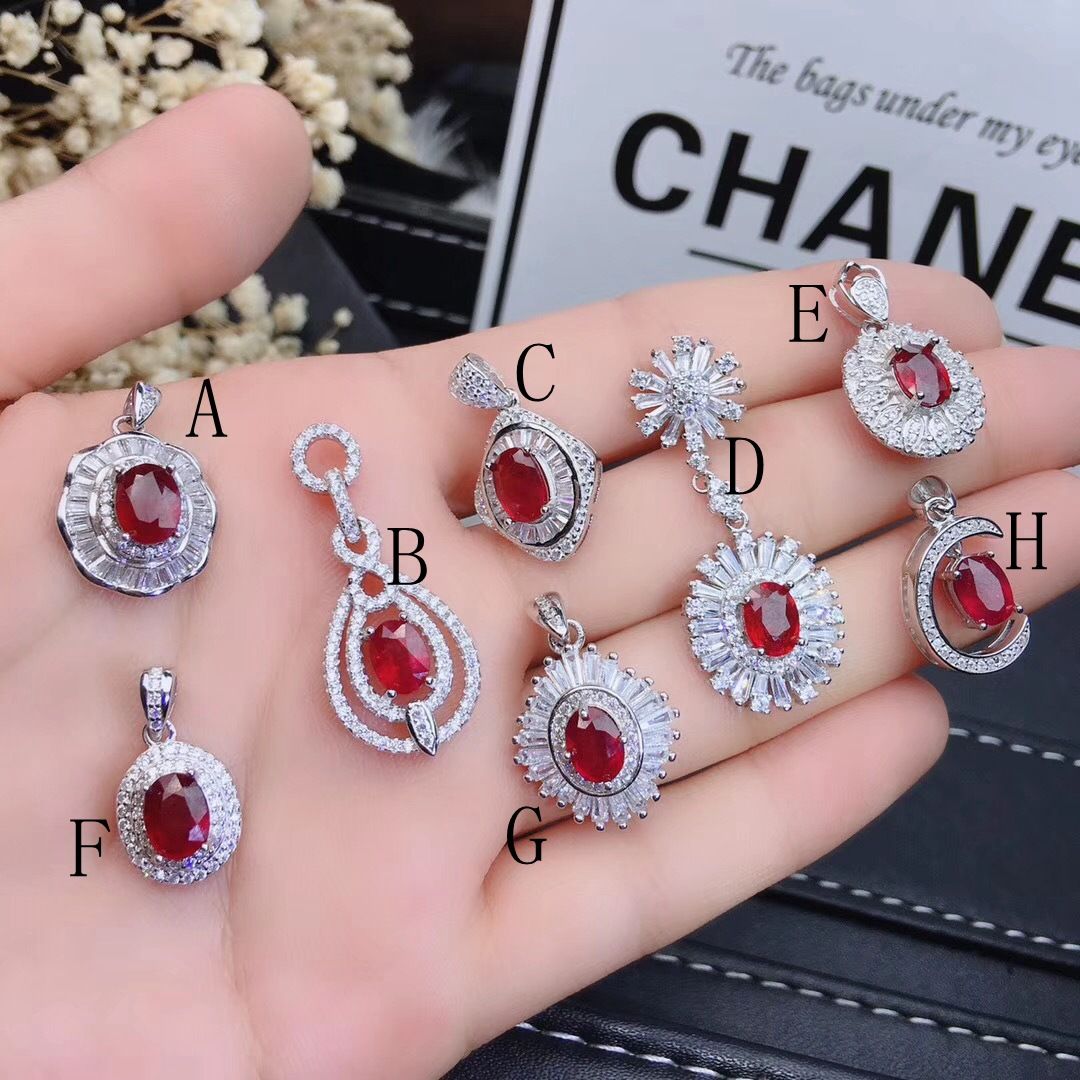
Natural ruby necklace 925 silver style color pigeon red blood
$95.00
Level 15% OFF
Level 210% OFF
Level 315% OFF
-
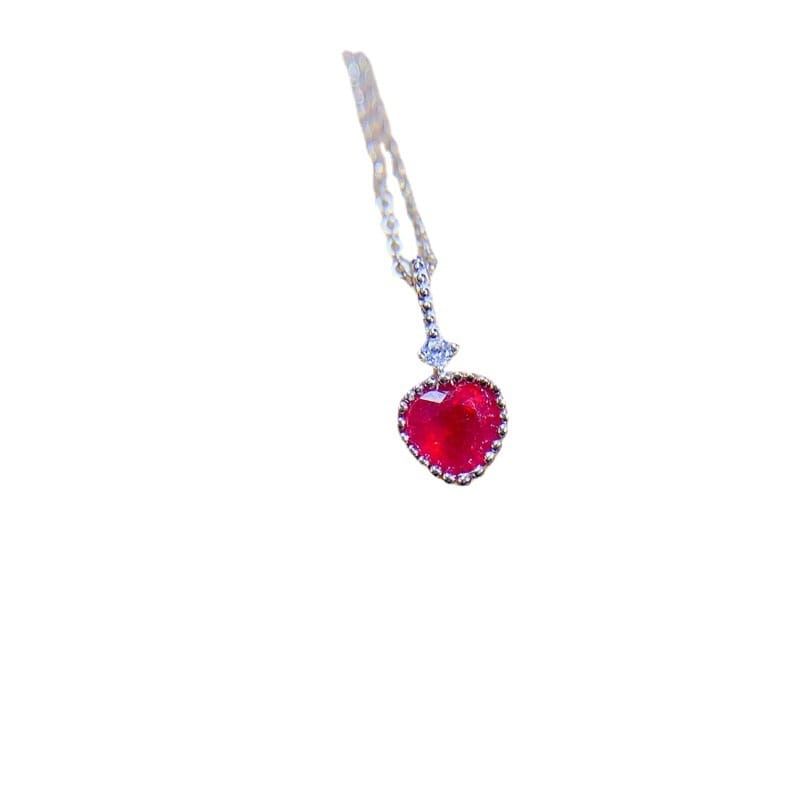
Fresh necklace natural Ruby clavicle chain 6 * 6mm women's pendant 925 silver
$79.00
Level 15% OFF
Level 210% OFF
Level 315% OFF
-
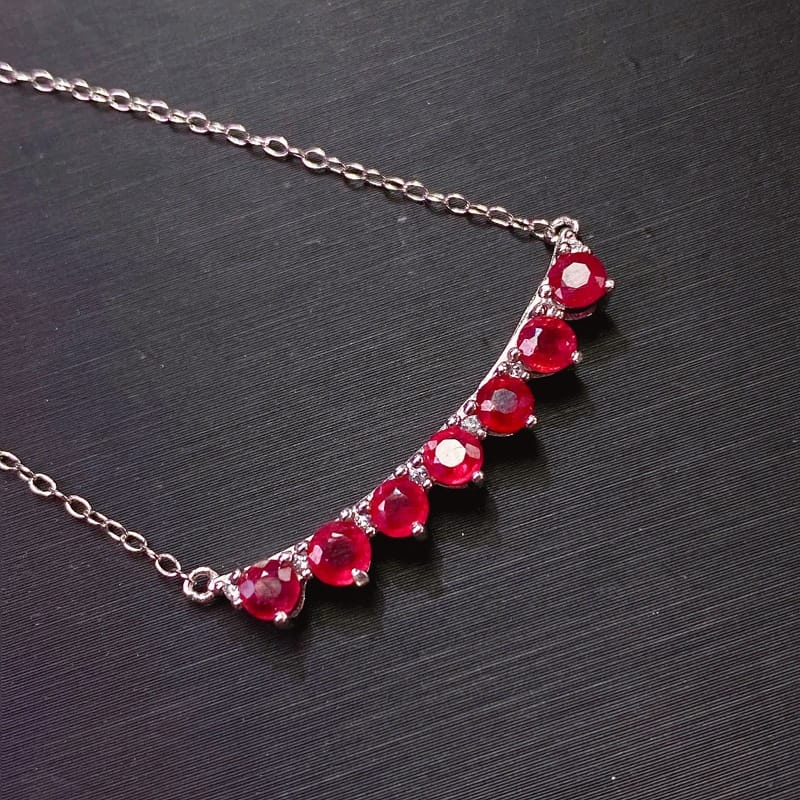
Natural Ruby evening necklace 925 silver inlaid ruby with Row Women's clavicle necklace
$119.99
Level 15% OFF
Level 210% OFF
Level 315% OFF
-

Fashion new ladies GIY natural old burnt ruby necklace 925 silver pendant 4*5mm necklace
$132.00
Level 15% OFF
Level 210% OFF
Level 315% OFF
-
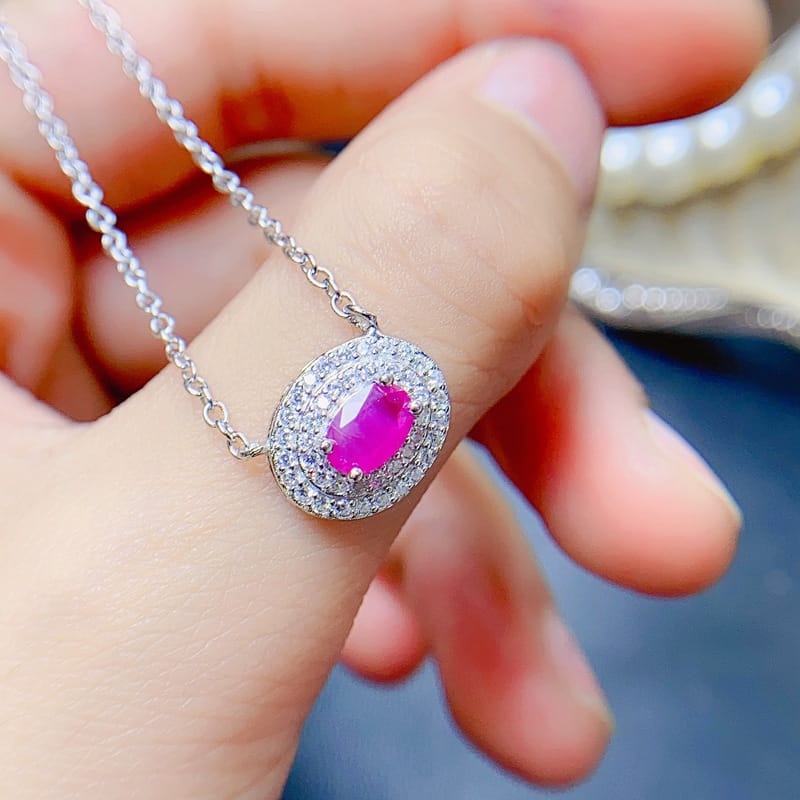
Simple natural non-burnt ruby necklace main stone 6*4mm clavicle chain pendant exquisite
$165.00
Level 15% OFF
Level 210% OFF
Level 315% OFF
-
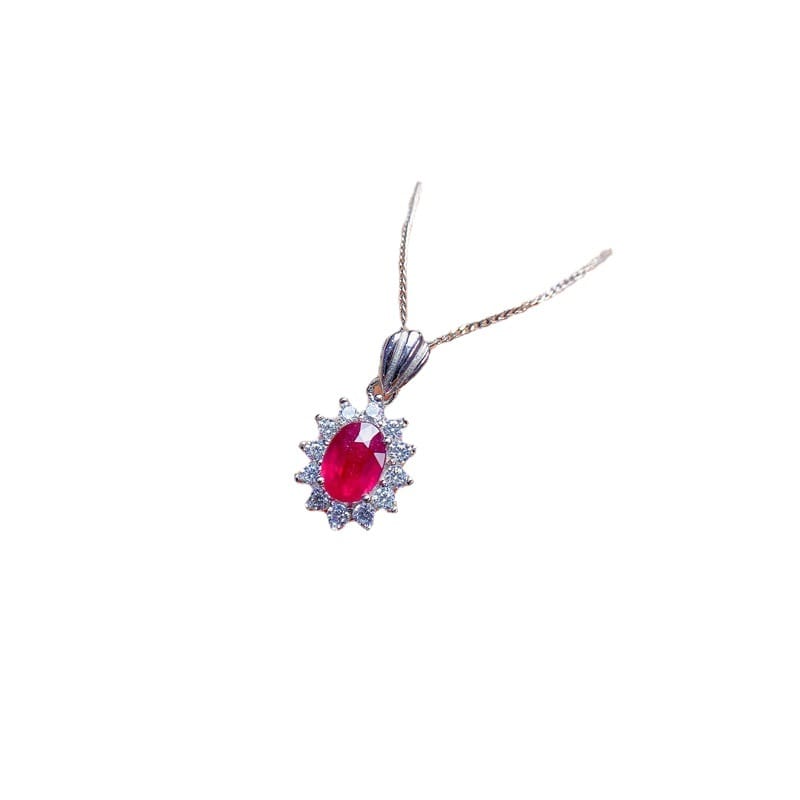
925 silver inlaid New burned ruby pendant ladies simple style
$68.00
Level 15% OFF
Level 210% OFF
Level 315% OFF
-
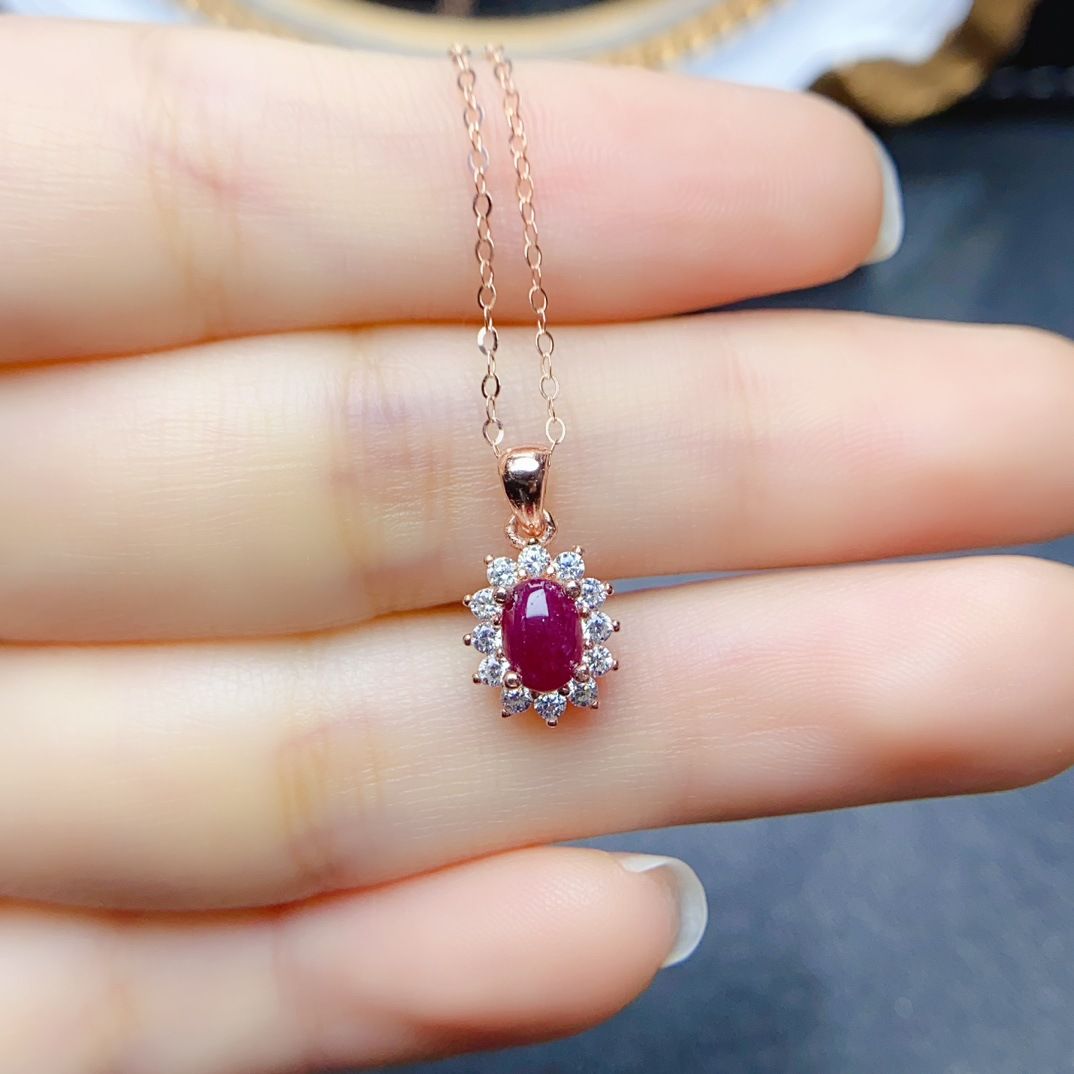
Natural old heated ruby necklace with 925 silver 4*6mm
$195.00
Level 15% OFF
Level 210% OFF
Level 315% OFF
-
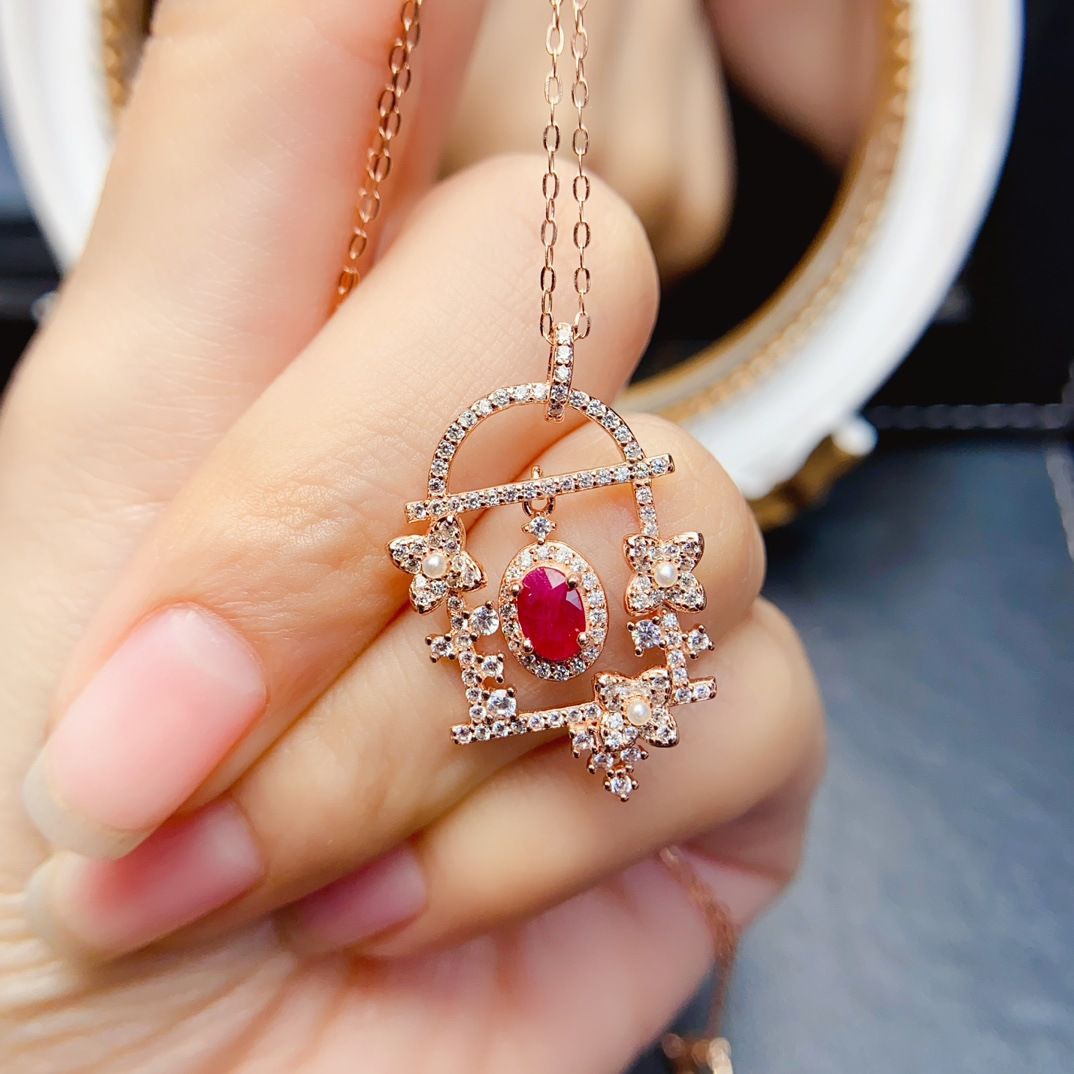
Natural ruby necklace with 925 silver for 3*5mm
$163.00
Level 15% OFF
Level 210% OFF
Level 315% OFF
-
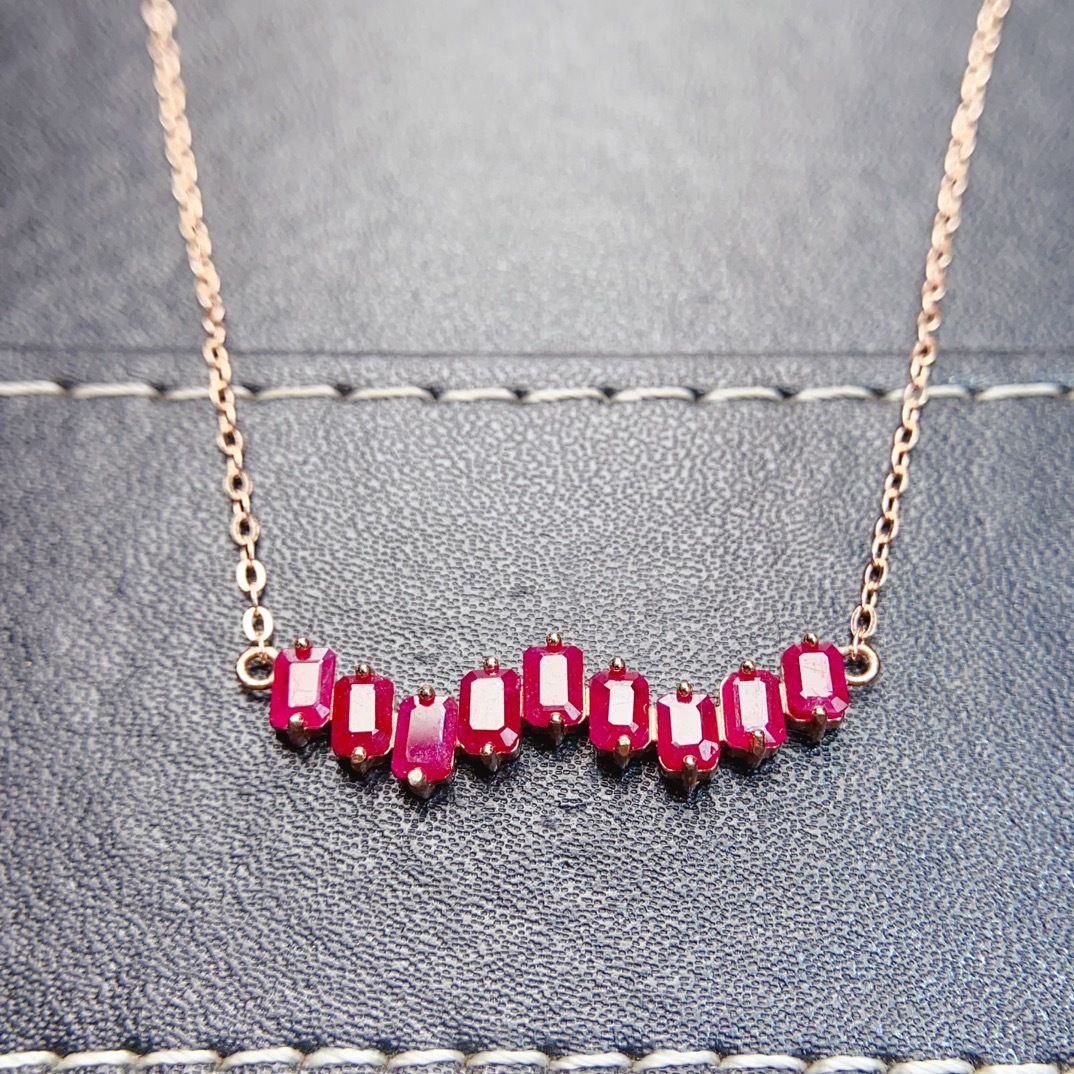
Beautiful natural ruby necklace with 925 silver for 3*4mm
$645.00
Level 15% OFF
Level 210% OFF
Level 315% OFF
-
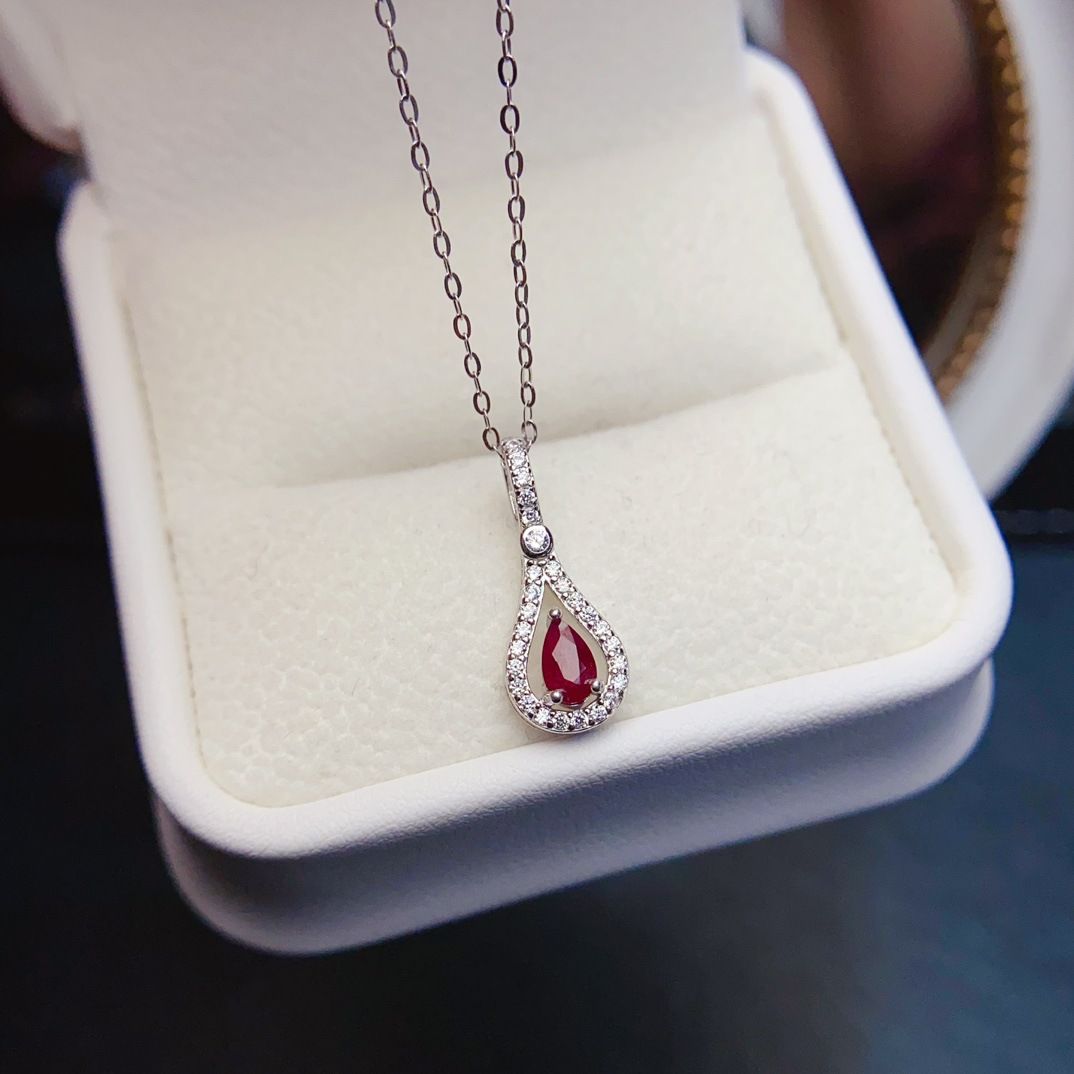
$113.00
Level 15% OFF
Level 210% OFF
Level 315% OFF