
 GB(GBP)
 CN(CNY)
Blog
Unveiling the Mystique of Sapphires: Your Guide to Identifying Natural Gems
- Sep.18, 2025 13:52:17
- 0 Comments
Sapphires, with their celestial blues and remarkable durability, have captivated jewelry lovers for centuries. However, the market is filled with synthetic, treated, or imitation stones, making it crucial to understand how to identify genuine sapphires. In this blog post, we’ll explore the key characteristics of natural sapphires and share practical tips to help you make an informed choice.
---
1. **Color: The Signature of Authenticity**
Natural sapphires exhibit a range of blue hues, from velvety cornflower blue to deep royal blue. Key points to note:
- **Color Zoning**: Natural sapphires often show subtle color variations or uneven saturation when viewed under light.
- **Synthetic Alert**: Lab-created sapphires typically display overly uniform color or unnatural vibrancy.
---
2. **Clarity: Nature’s Fingerprint**
Inclusions are natural birthmarks in sapphires. Look for:
- **Needle-like Rutile Inclusions**: These delicate "silk" patterns are common in natural stones.
- **Gas/Liquid Inclusions**: Natural sapphires may contain tiny trapped crystals or feather-like fissures.
- **Treated Stones**: Heat-treated sapphires (common) have enhanced clarity but may show melted inclusions under magnification. Diffusion-treated stones exhibit color concentrated near the surface.
---
3. **Cut & Brilliance**
Sapphires are often cut to maximize color and carat weight:
- **Window Effect**: Poor cuts may create transparent "windows" where color appears diluted.
- **Luster Test**: Natural sapphires boast a vitreous to sub-adamantine luster, while glass imitations appear dull or overly glossy.
---
4. **Thermal Reaction**
A quick professional trick:
- Natural sapphires feel cold to the touch and take time to warm, while glass imitations heat up quickly.
---
5. **Double Refraction**
Use a loupe to check:
- Natural sapphires exhibit double refraction (lines appear doubled when viewed through the crystal). Glass lacks this property.
---
6. **Origin Clues**
Famous origins have distinct traits:
- **Kashmir**: Velvety cornflower blue with subtle haze.
- **Burmese**: Rich royal blue with high saturation.
- **Ceylon (Sri Lanka)**: Light to medium blue with excellent clarity.
---
7. **Professional Certification**
Always insist on certificates from reputed labs (e.g., GIA, AGL, or SSEF). Reports should specify:
- Origin (if determinable).
- Treatments (e.g., heat treatment, diffusion).
- Clarity characteristics.
---
Shopping Tips:
- **Trust Reputable Sellers**: Choose transparent jewelers who disclose treatments and origins.
- **Use a Jeweler’s Loupe**: Examine stones under 10x magnification for natural inclusions.
- **Compare Prices**: Natural untreated sapphires are rare and command premium prices—suspiciously low costs signal synthetics or imitations.
---
Natural sapphires are treasures forged by time and nature. By recognizing their unique characteristics, you can invest in a gem that embodies both beauty and legacy.
Ready to find your perfect sapphire? Explore our curated collection, where each stone is ethically sourced and accompanied by expert certification.
**Discover Our Sapphire Collection on www.mitchellquins.com
Post Comment
Your email address will not be published.Required fields are marked. *
-
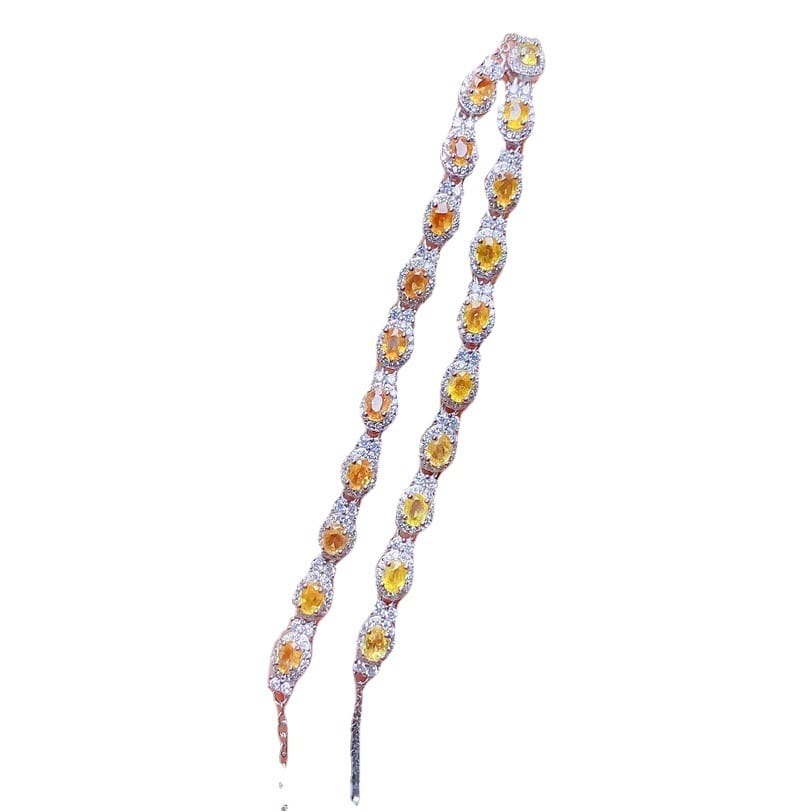
Natural sapphire bracelet girls 925 silver sapphire bracelet 3 * 4mm bare stone colorful treasure
$202.99

 Level 15% OFF
Level 210% OFF
Level 315% OFF
-
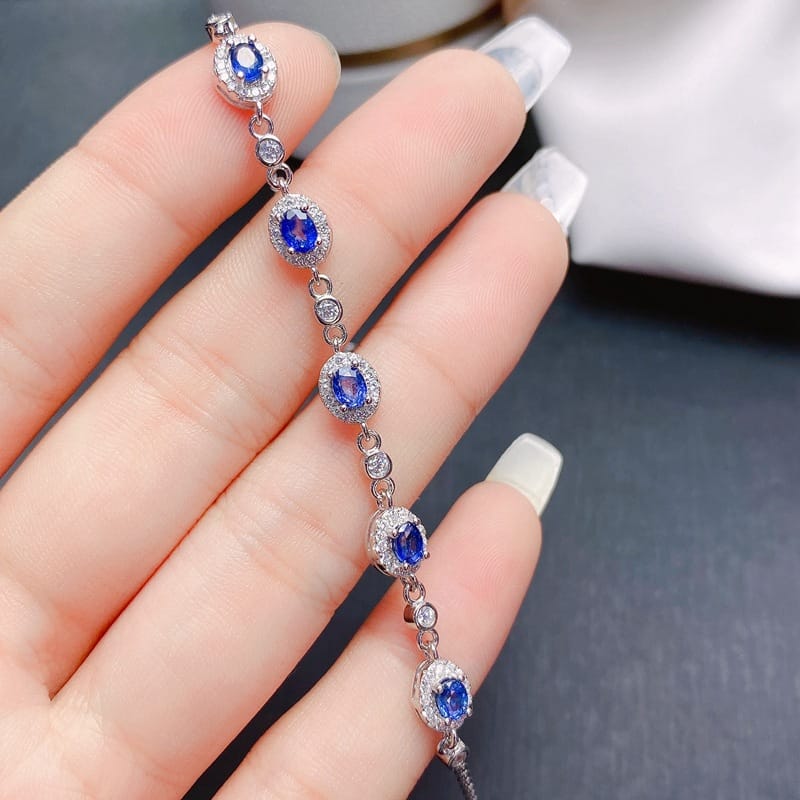
Women's bracelet simple fresh 925 silver inlaid natural sapphire beautiful style
$162.00
Level 15% OFF
Level 210% OFF
Level 315% OFF
-
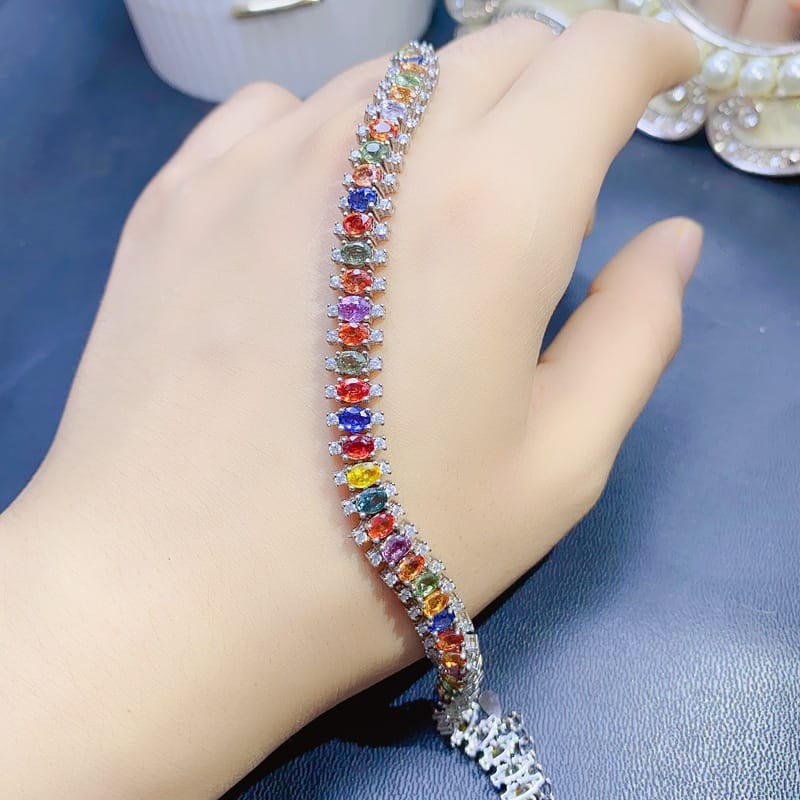
Fashion Jewelry New Simple Light Luxury Natural Color Sapphire Bracelet 925 Silver
$909.00
Level 15% OFF
Level 210% OFF
Level 315% OFF
-
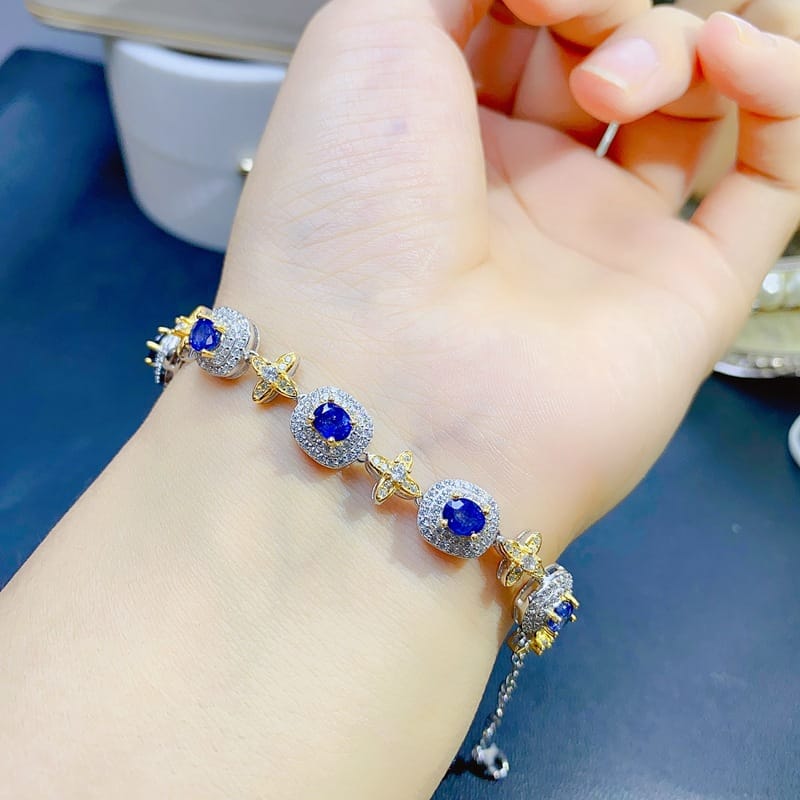
Fashion New Simple Two-color Japanese Light Luxury Natural Sapphire Bracelet 925 Silver
$279.00
Level 15% OFF
Level 210% OFF
Level 315% OFF
-
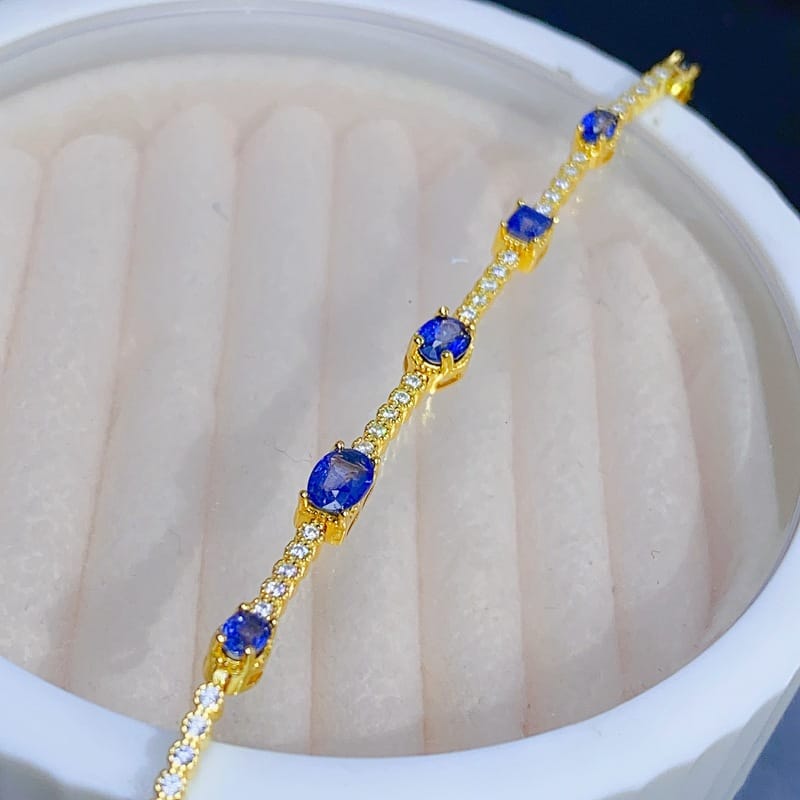
Natural sapphire bracelet 925 silver bracelet for girlfriend gift
$219.00
Level 15% OFF
Level 210% OFF
Level 315% OFF
-
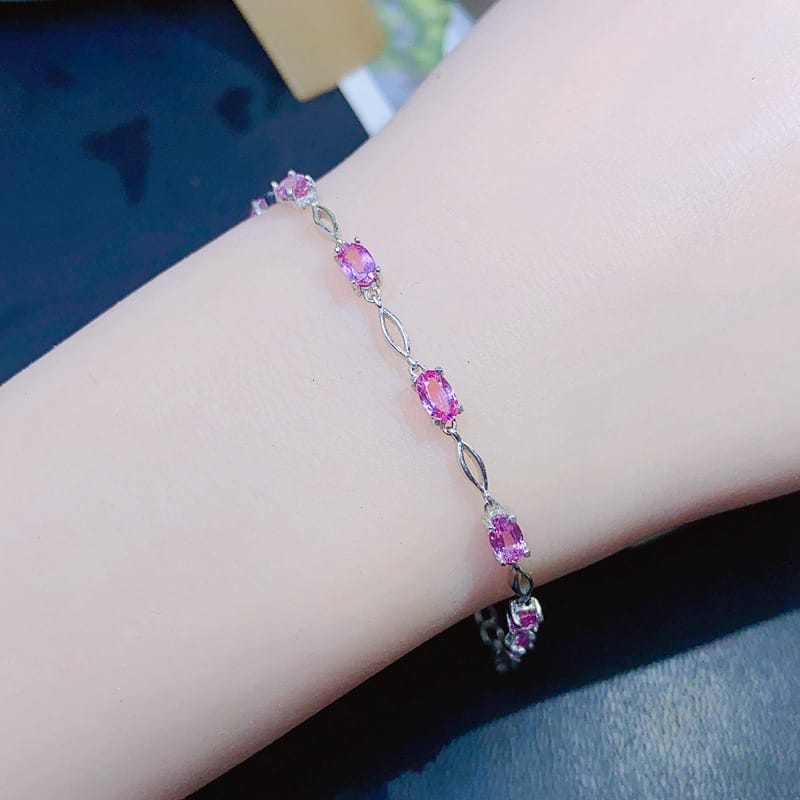
Natural Pink Sapphire Bracelet Shake Tone 925 Silver Papalacha Powder Sapphire
$706.00
Level 15% OFF
Level 210% OFF
Level 315% OFF
-

New on New Natural Sapphire Bracelet 925 Silver Inlay Gift
$303.99
Level 15% OFF
Level 210% OFF
Level 315% OFF
-
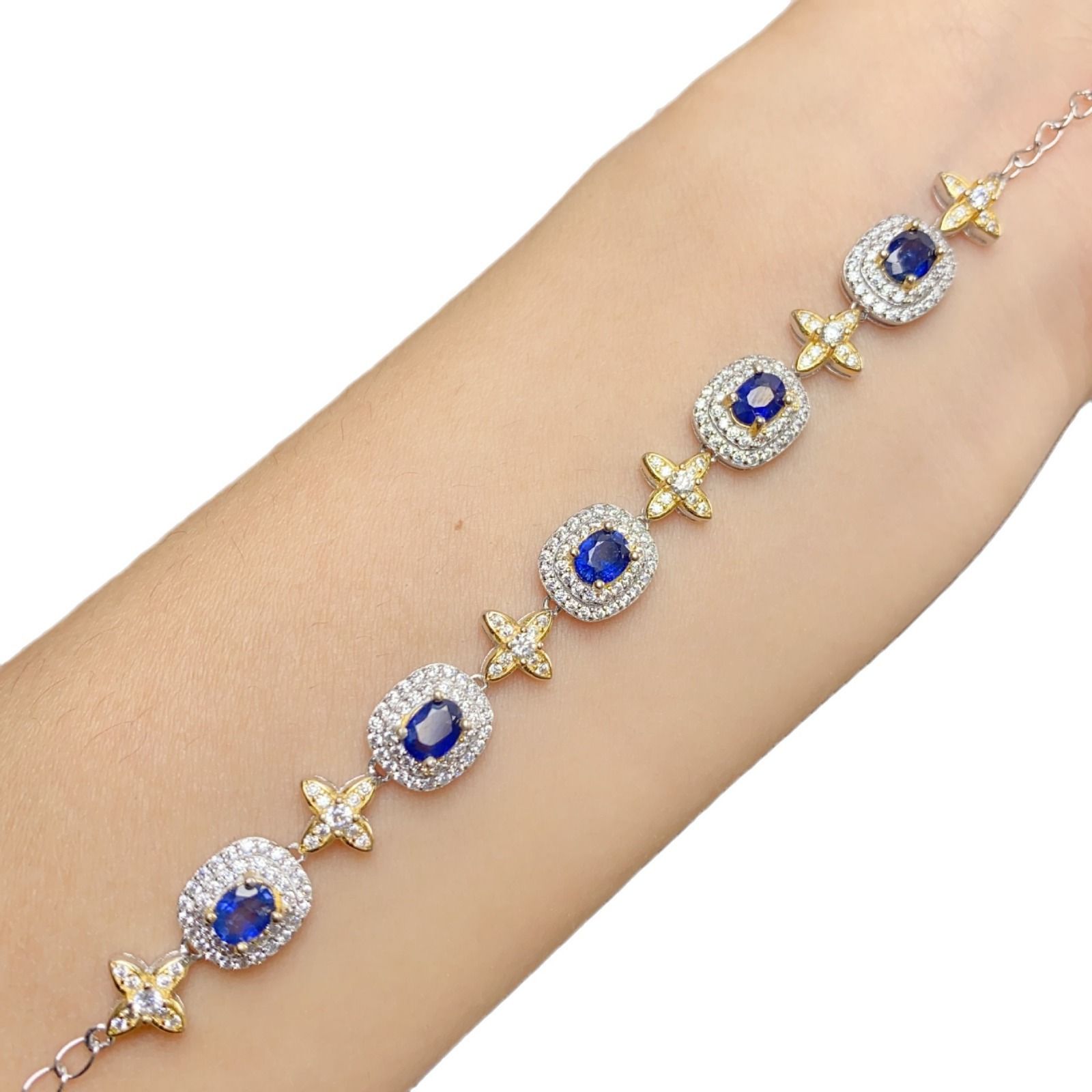
S925 silver natural sapphire bracelet 4 * 5mm advanced sense design
$300.00
Level 15% OFF
Level 210% OFF
Level 315% OFF
-
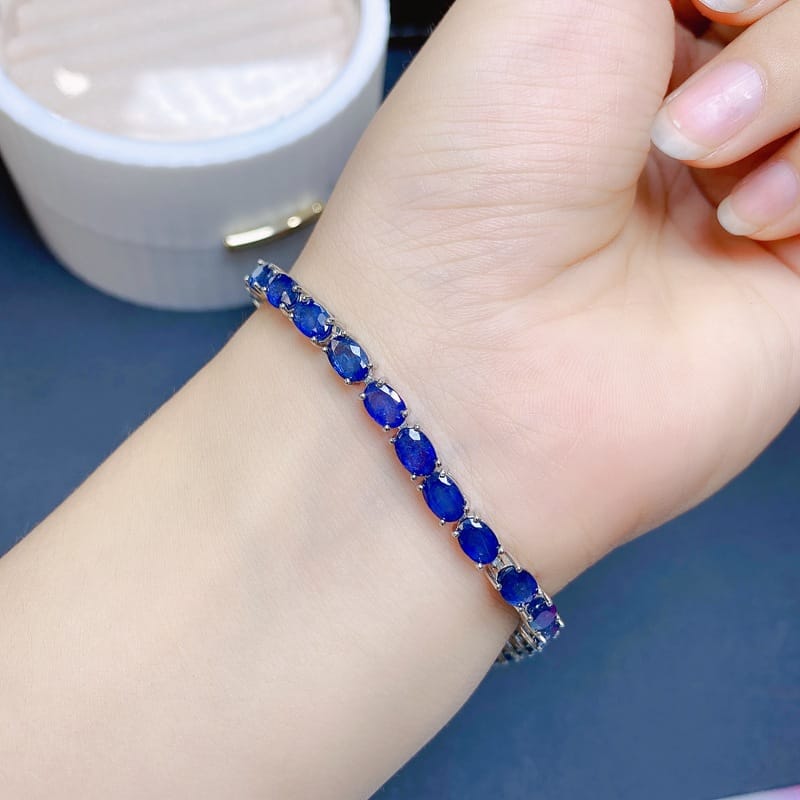
Sapphire bracelet 925 silver inlaid natural sapphire bracelet 4*6mm ladies chain
$1,250.00
Level 15% OFF
Level 210% OFF
Level 315% OFF
-
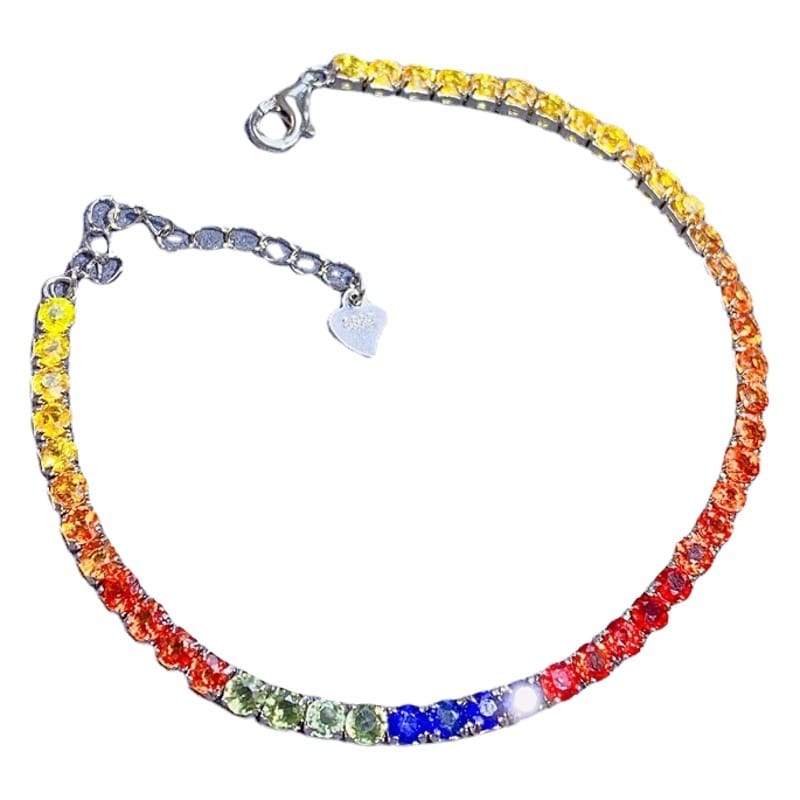
Fresh colorful sapphire bracelet 925 silver natural colorful sapphire bracelet 3*3 Women's bracelet
$622.00
Level 15% OFF
Level 210% OFF
Level 315% OFF
-
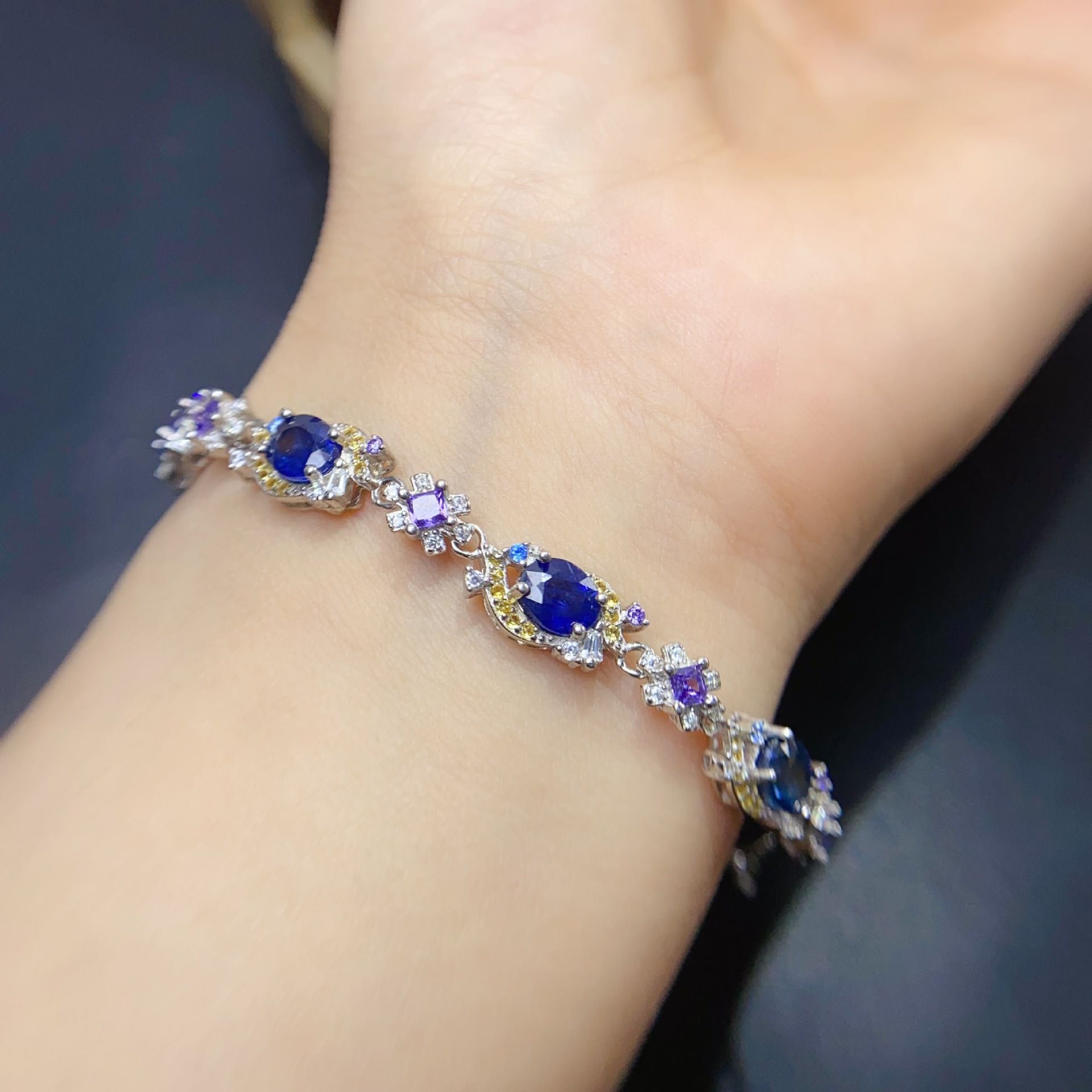
S925 silver inlaid simple fashion natural sapphire bracelet 5 * 6mm advanced sense design
$770.00
Level 15% OFF
Level 210% OFF
Level 315% OFF
-
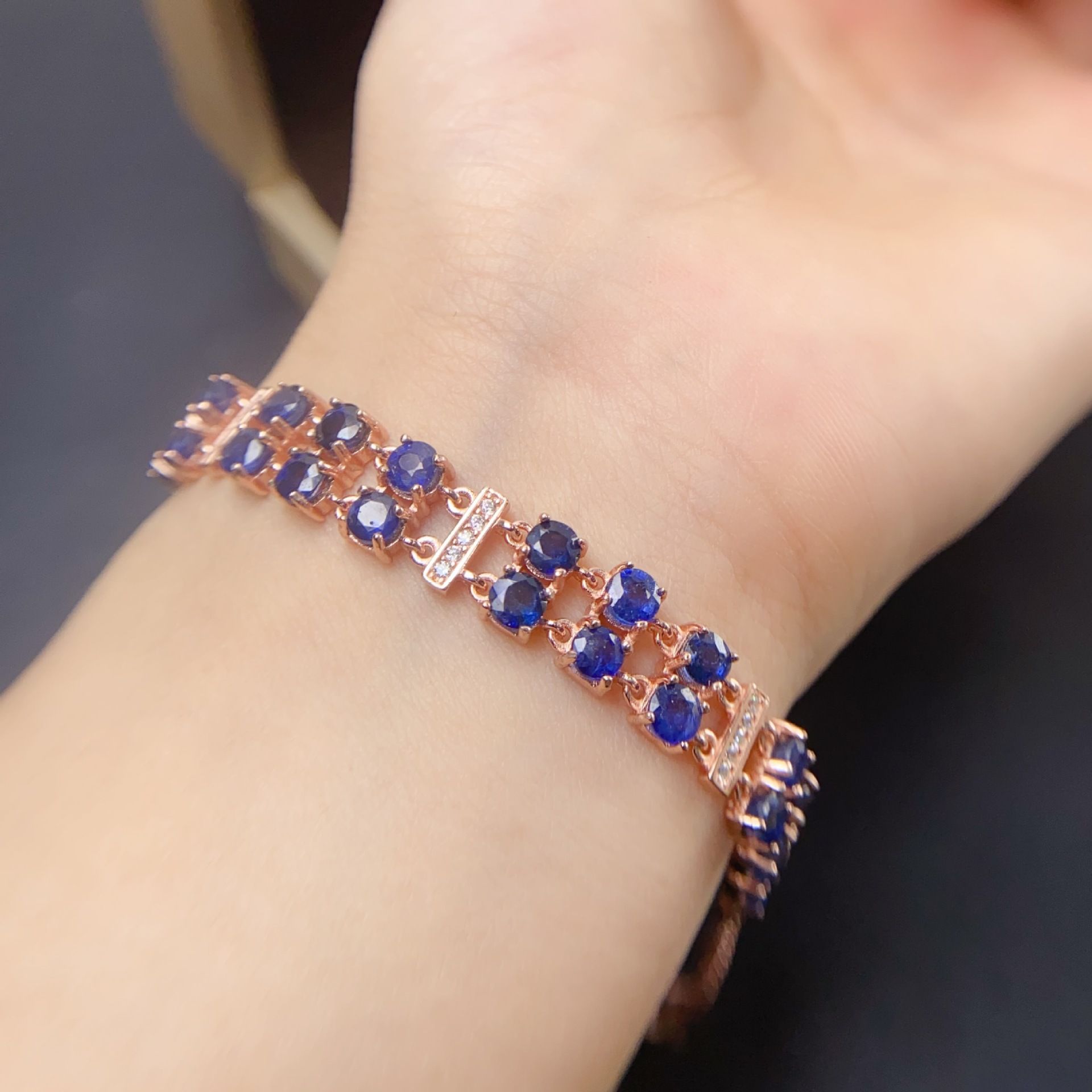
S925 silver inlaid simple fashion natural sapphire bracelet 4 * 4mm advanced sense design
$600.00
Level 15% OFF
Level 210% OFF
Level 315% OFF
-
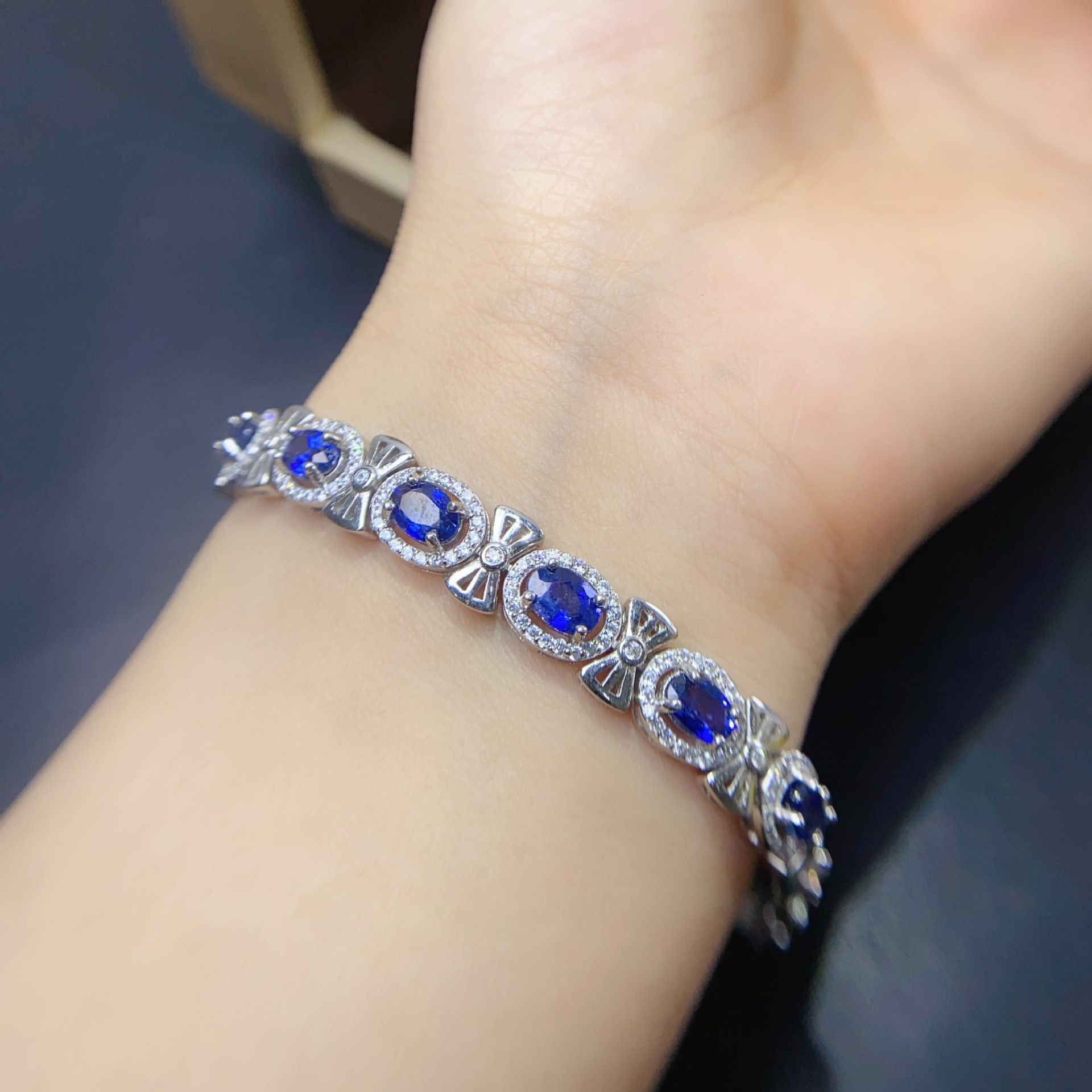
S925 silver inlaid simple fashion natural sapphire bracelet 4 * 6mm advanced sense design
$470.00
Level 15% OFF
Level 210% OFF
Level 315% OFF
-
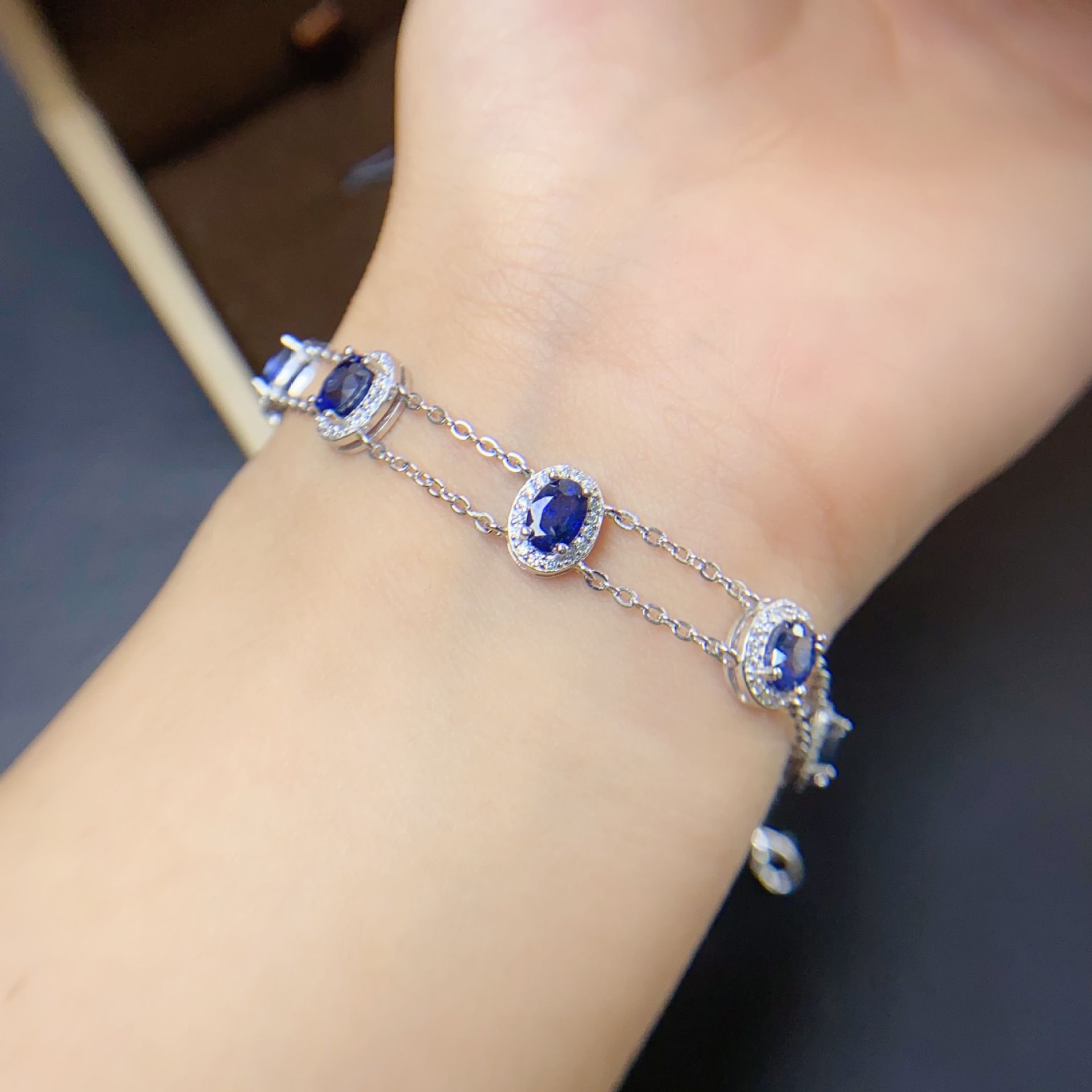
S925 silver inlaid simple fashion natural sapphire bracelet 4 * 6mm advanced sense design
$400.00
Level 15% OFF
Level 210% OFF
Level 315% OFF
-
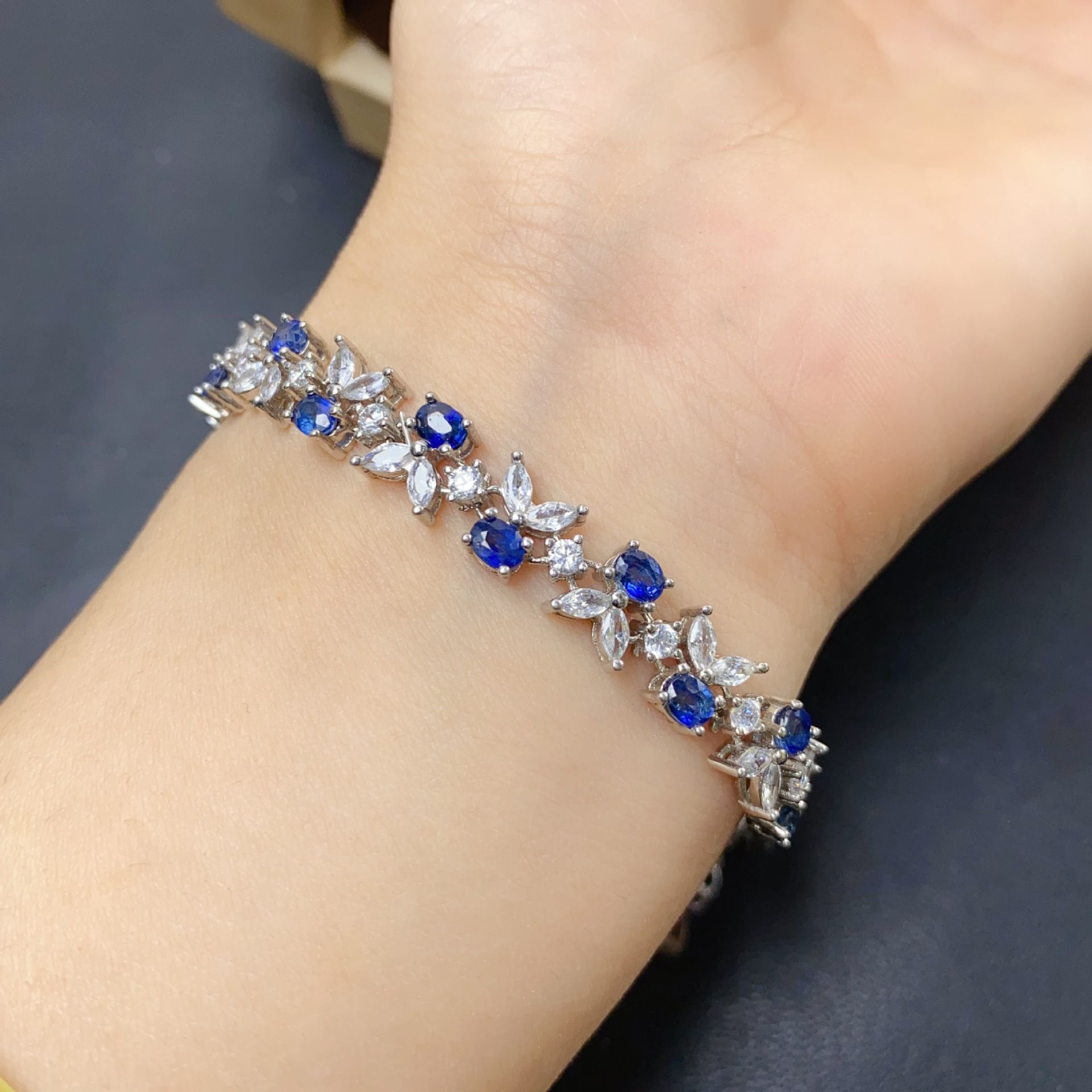
S925 silver inlaid simple fashion natural sapphire bracelet 3 * 4mm advanced sense design
$290.00
Level 15% OFF
Level 210% OFF
Level 315% OFF
-
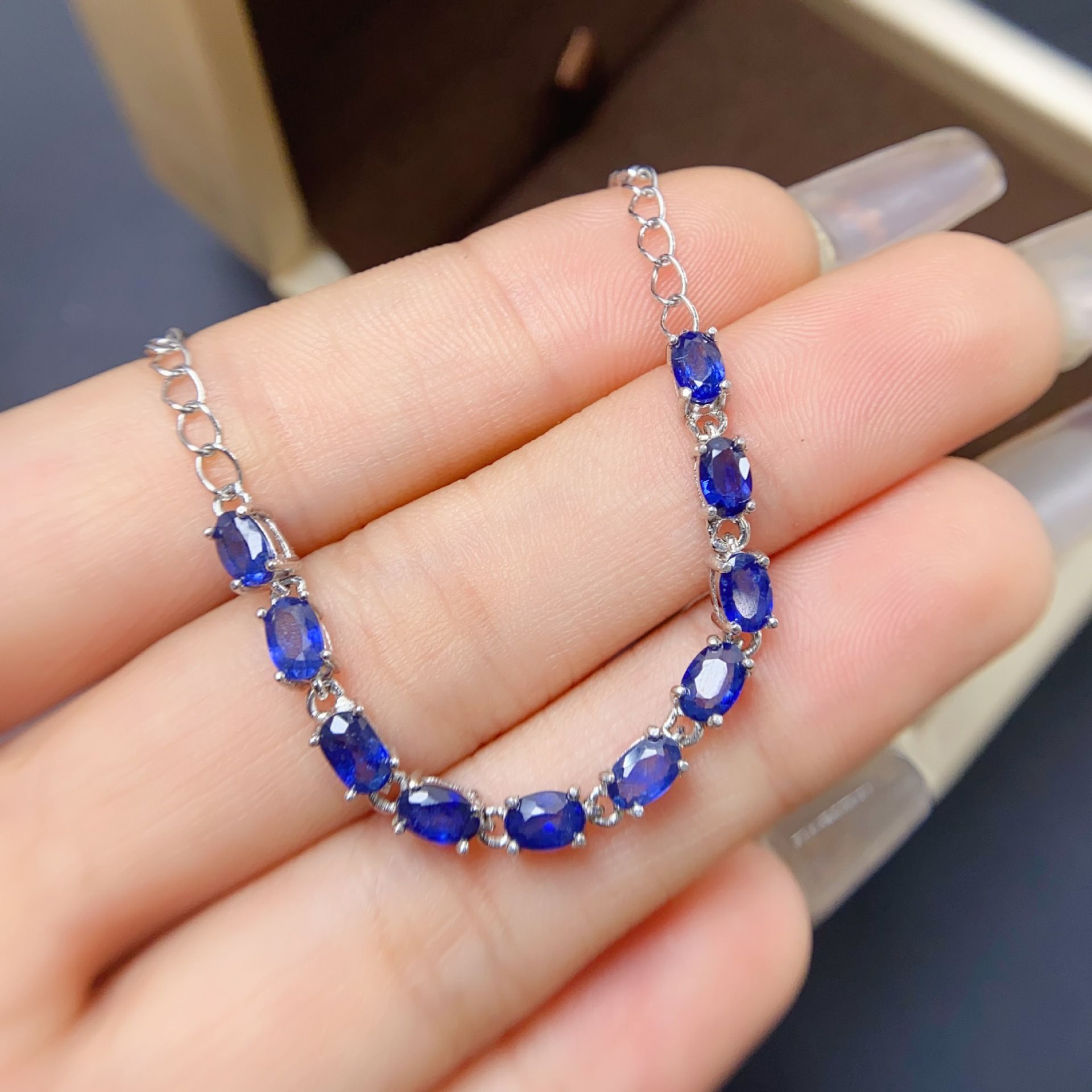
S925 silver inlaid simple fashion natural sapphire bracelet 3 * 5mm advanced sense design
$300.00
Level 15% OFF
Level 210% OFF
Level 315% OFF