 GB(GBP)
 CN(CNY)
Blog
The Lustrous World of Pearls: How to Identify Quality and Authenticity
- Sep.18, 2025 14:54:20
- 0 Comments
Pearls have captivated humanity for centuries with their timeless elegance and organic beauty. Unlike other gems, pearls are born from living creatures, making each one unique. However, the market is filled with everything from natural and cultured pearls to synthetic imitations. How can you tell them apart? In this guide, we’ll walk you through the key factors to consider when identifying and appreciating pearls.
---
1. **Types of Pearls: Natural, Cultured, and Imitation**
- **Natural Pearls**: Formed accidentally in wild oysters/mussels. Extremely rare and valuable.
- **Cultured Pearls**: Human-assisted by inserting a nucleus into the oyster. Most pearls on the market today are cultured.
- **Imitation Pearls**: Made from glass, plastic, or shell-coated beads. Lack the depth and luminosity of real pearls.
---
2. **Luster: The Soul of a Pearl**
Luster refers to the sharpness and intensity of light reflected on the pearl’s surface.
- **High-Quality Pearls**: Exhibit a bright, mirror-like reflectivity with subtle iridescence.
- **Low-Quality or Imitation Pearls**: Appear dull, chalky, or overly uniform.
---
3. **Surface Quality**
Natural imperfections are common, but excessive blemishes lower value.
- **Natural/Cultured Pearls**: May have slight ridges, bumps, or dimples.
- **Imitation Pearls**: Often perfectly smooth (too perfect to be real).
---
4. **Shape and Symmetry**
Pearls come in various shapes: round, near-round, oval, baroque, etc.
- **Round Pearls**: The rarest and most valuable, especially in larger sizes.
- **Baroque Pearls**: Irregularly shaped but increasingly popular for their uniqueness.
---
5. **Nacre Quality**
Nacre is the layers of secretion that form the pearl. Thick nacre = better durability and luster.
- **Thick Nacre**: Shows deep luminosity and iridescence.
- **Thin Nacre**: Appears dull and may peel over time.
---
6. **The Tooth Test**
Gently rub the pearl against your tooth (or another pearl):
- **Real Pearls**: Feel slightly gritty or sandy due to their crystalline structure.
- **Imitation Pearls**: Feel smooth (like glass or plastic).
---
7. **Drill Hole Examination**
Use a loupe to inspect the drill hole:
- **Real Pearls**: Show concentric layers of nacre around the hole.
- **Imitation Pearls**: Reveal a glass or plastic core with possible coating chips.
---
8. **Weight and Temperature**
- **Real Pearls**: Feel cool to the touch and have a substantial weight for their size.
- **Imitation Pearls**: Feel lightweight and warm up quickly.
---
9. **Origin and Varieties**
Different types of pearls have distinct characteristics:
- **Akoya**: Classic round, high-luster pearls, often white with rosé overtones.
- **Tahitian**: Naturally dark, exotic colors with metallic sheen.
- **South Sea**: Large, silky-white or golden pearls with soft luster.
- **Freshwater**: Varied shapes and colors, often more affordable.
---
10. **Certification and Trusted Sources**
When in doubt, rely on professional certification (e.g., GIA, Pearl Science Lab) and purchase from reputable jewelers who provide detailed information about origin, type, and treatments.
---
Tips for Buyers:
- **Ask Questions**: Inquire whether pearls are natural, cultured, or imitation.
- **Compare Multiple Pearls**: Place them side by side to compare luster and surface quality.
- **Trust Your Instincts**: If a deal seems too good to be true, it probably is.
---
Pearls are nature’s exquisite miracles, each telling a story of patience and beauty. By understanding these key traits, you can confidently choose pearls that are not only authentic but also resonate with your style and values.
Ready to explore pearl jewelry that combines tradition with timeless elegance? Browse our curated collection—each piece sourced with integrity and crafted for discerning tastes.
**Discover Our Pearl Collection on www.mitchellquins.com
Post Comment
Your email address will not be published.Required fields are marked. *
-
$32.80

 Level 15% OFF
Level 210% OFF
Level 315% OFF
-
$33.80
Level 15% OFF
Level 210% OFF
Level 315% OFF
-

$32.80
Level 15% OFF
Level 210% OFF
Level 315% OFF
-
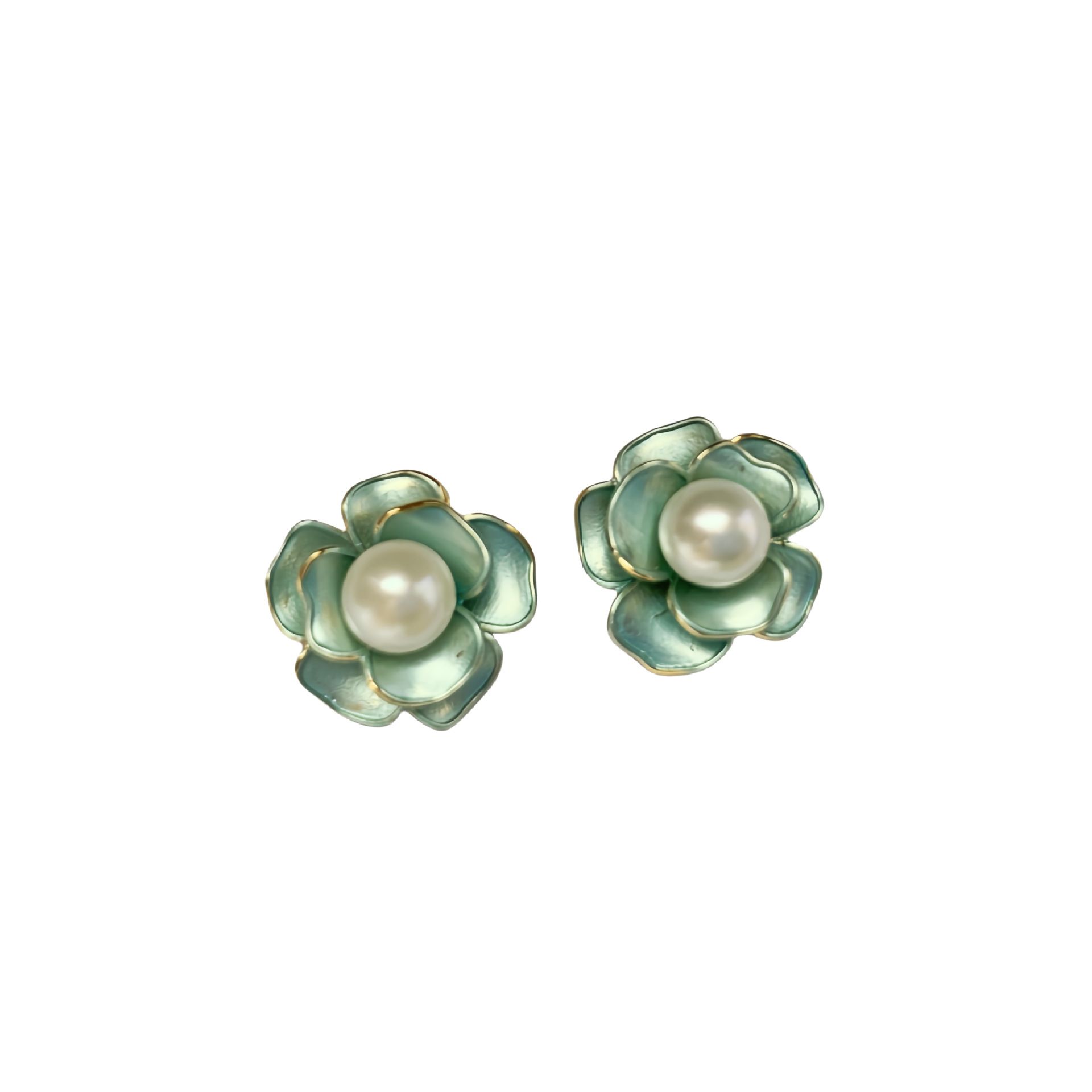
$29.80
Level 15% OFF
Level 210% OFF
Level 315% OFF
-
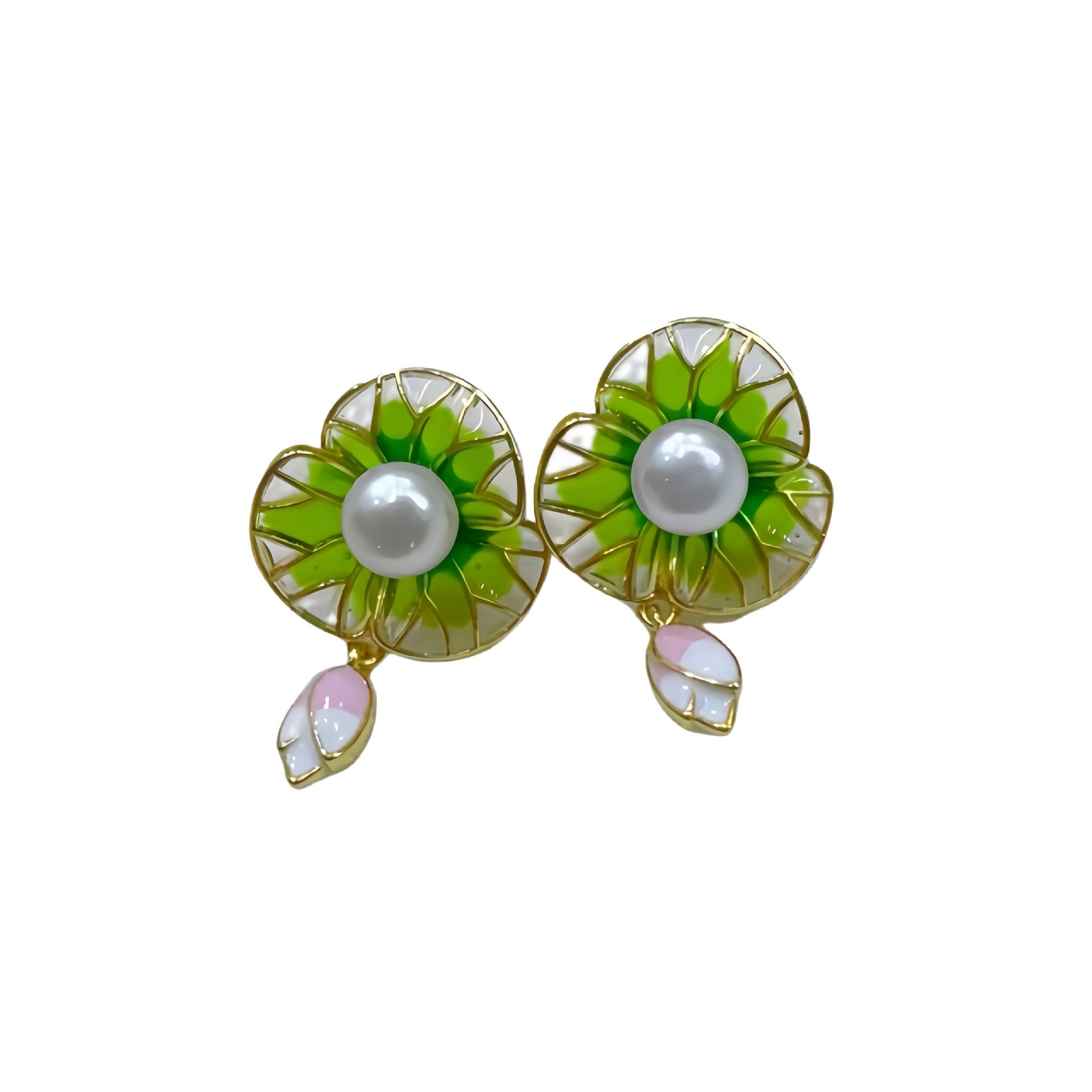
$33.80
Level 15% OFF
Level 210% OFF
Level 315% OFF
-
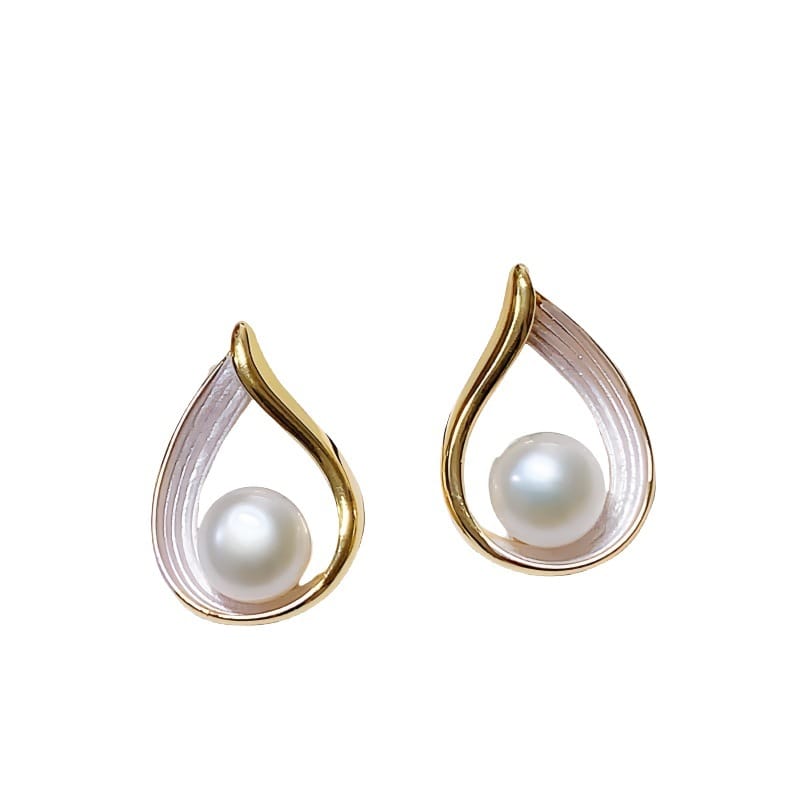
$29.80
Level 15% OFF
Level 210% OFF
Level 315% OFF
-
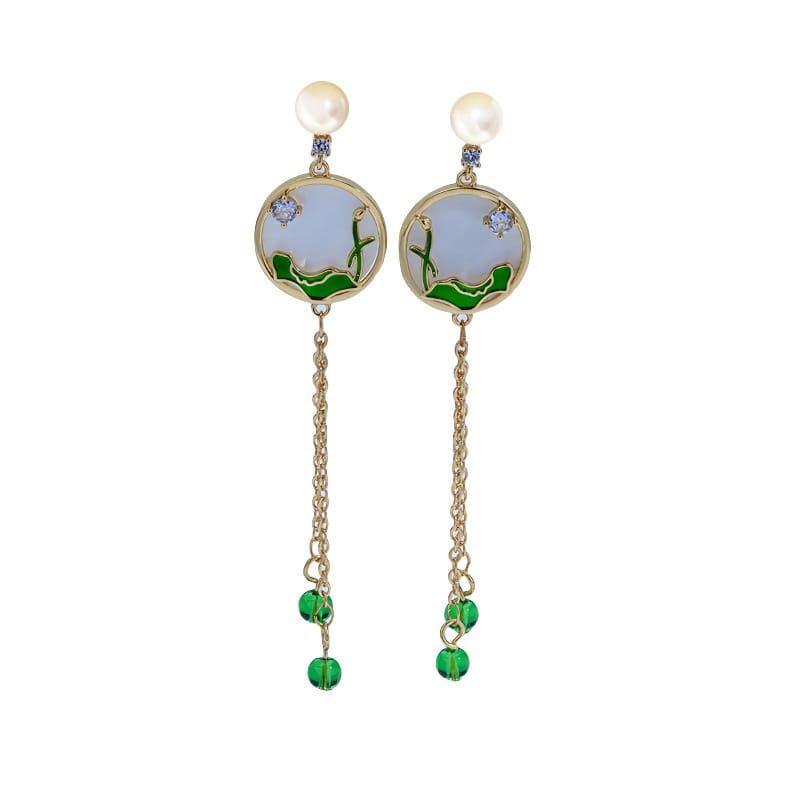
$33.80
Level 15% OFF
Level 210% OFF
Level 315% OFF
-
$31.90
Level 15% OFF
Level 210% OFF
Level 315% OFF
-
$29.90
Level 15% OFF
Level 210% OFF
Level 315% OFF
-
$28.90
Level 15% OFF
Level 210% OFF
Level 315% OFF
-
$33.90
Level 15% OFF
Level 210% OFF
Level 315% OFF
-
$37.50
Level 15% OFF
Level 210% OFF
Level 315% OFF
-
$29.90
Level 15% OFF
Level 210% OFF
Level 315% OFF
-
$30.90
Level 15% OFF
Level 210% OFF
Level 315% OFF
-
$32.50
Level 15% OFF
Level 210% OFF
Level 315% OFF
-
$30.90
Level 15% OFF
Level 210% OFF
Level 315% OFF