
 GB(GBP)
 CN(CNY)
Blog
Sapphire: The Gem of Royalty and the Heavens
- Apr.05, 2026 00:00:00
- 0 Comments
Few gemstones have inspired such enduring reverence as the sapphire. Its deep blue color—reminiscent of the midnight sky and the vast ocean—has symbolized wisdom, truth, and divine favor for over two thousand years. From the ancient Silk Road to the British crown jewels, the sapphire’s history is a journey through the spiritual and political heart of civilization.
The sapphire’s story begins in ancient Persia, where Zoroastrian priests believed the entire earth rested on a giant sapphire, and the stone’s reflection painted the sky blue. In Sanskrit, the gem was known as *sanipriya*—“dear to Saturn”—and was associated with cosmic forces and fate. Unlike rubies, which warriors wore for physical protection, sapphires were prized for spiritual protection. Kings wore them to guard against treachery, while priests used them to interpret oracles and receive divine visions.
In ancient Greece and Rome, sapphires were associated with Apollo, the god of prophecy. The name “sapphire” derives from the Greek *sappheiros*, though ancient writers sometimes used this term for lapis lazuli. By the Middle Ages, the name had become firmly attached to blue corundum. During this period, bishops wore sapphire rings as symbols of heavenly wisdom, believing the stone encouraged chastity and piety. Kings wore sapphires on their coronation robes, convinced the stone ensured just rule.
The most legendary source of sapphires in antiquity was Sri Lanka, known then as Taprobane. For over two millennia, Sri Lankan mines produced sapphires of exceptional size and color. These gems traveled along the Silk Road to the courts of Persia, Byzantium, and China. The famous traveler Marco Polo wrote of the island’s gem wealth with wonder. To this day, Sri Lanka remains one of the world’s most important sources of fine sapphires.
The 19th century brought a dramatic discovery. In the 1880s, rich sapphire deposits were found in Kashmir, a remote Himalayan region. For only a few years, the Kashmir mines produced sapphires of unparalleled beauty—a velvety, cornflower blue that gemologists consider the holy grail of sapphire colors. These stones are now extremely rare and command astronomical prices at auction, often exceeding $100,000 per carat. Fine Kashmir sapphires are among the most valuable gems on earth, rivaled only by the finest rubies and emeralds.
In the late 19th century, large sapphire deposits were discovered in Montana, United States, and in Australia. Montana sapphires range from pale blue to deep indigo and have become prized by collectors for their unique colors and ethical sourcing. Australia became a major producer, though its sapphires often have a dark, inky tone. The 20th century brought discoveries in Madagascar and Tanzania, which now supply much of the world’s sapphire market.
Perhaps no sapphire carries more historical weight than the Stuart Sapphire, a magnificent blue gem set in the British Imperial State Crown. This stone, weighing over 100 carats, was owned by Charles I, who wore it to his execution in 1649. Passed to his son Charles II, it later traveled to Scotland with James II and eventually returned to the British crown jewels. Today, it rests in the Tower of London—a silent witness to centuries of turbulent history.
Another legendary sapphire is the Star of India, one of the largest star sapphires in the world. Weighing 563 carats, this grayish-blue gem exhibits a perfect six-rayed star, caused by tiny needle-like inclusions of rutile. Discovered in Sri Lanka and donated to the American Museum of Natural History, the Star of India was famously stolen in 1964 by legendary thief Jack Murphy. It was recovered months later from a bus station locker, adding another chapter to its remarkable story.
The sapphire’s modern fame owes much to a single event: the engagement of Prince Charles and Lady Diana Spencer in 1981. The ring, featuring a 12-carat oval blue sapphire surrounded by diamonds, was chosen by Diana herself from a catalog. It broke royal tradition—most royal engagement rings were custom-made—but it captured the world’s imagination. Today, that same ring rests on the finger of Catherine, Princess of Wales, and has inspired countless replicas.
One of the sapphire’s most enchanting qualities is its variety. Though blue is the classic color, sapphires occur in virtually every hue—pink, yellow, green, orange, and purple. These are known as “fancy sapphires.” Only red corundum is called ruby; all other colors are sapphires. The rarest of all is the padparadscha sapphire, a delicate pinkish-orange found primarily in Sri Lanka, named after the Sinhalese word for lotus blossom.
From the celestial visions of Persian priests to the coronation of British kings, from the mines of ancient Sri Lanka to the engagement ring of a princess, the sapphire has journeyed through human history as a symbol of truth, wisdom, and divine favor. To hold a sapphire is to hold a piece of the sky—a blue flame that has burned for millennia and will continue to captivate for centuries to come.
Post Comment
Your email address will not be published.Required fields are marked. *
-
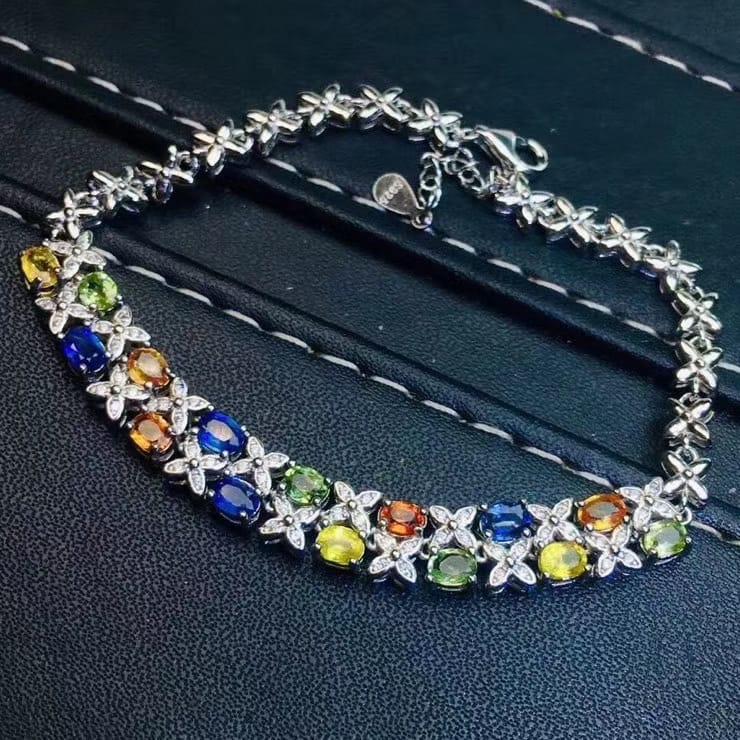
Natural color sapphire bracelet jewelry gem anchor e-commerce supply 925 silver
$540.00

 Level 15% OFF
Level 210% OFF
Level 315% OFF
-
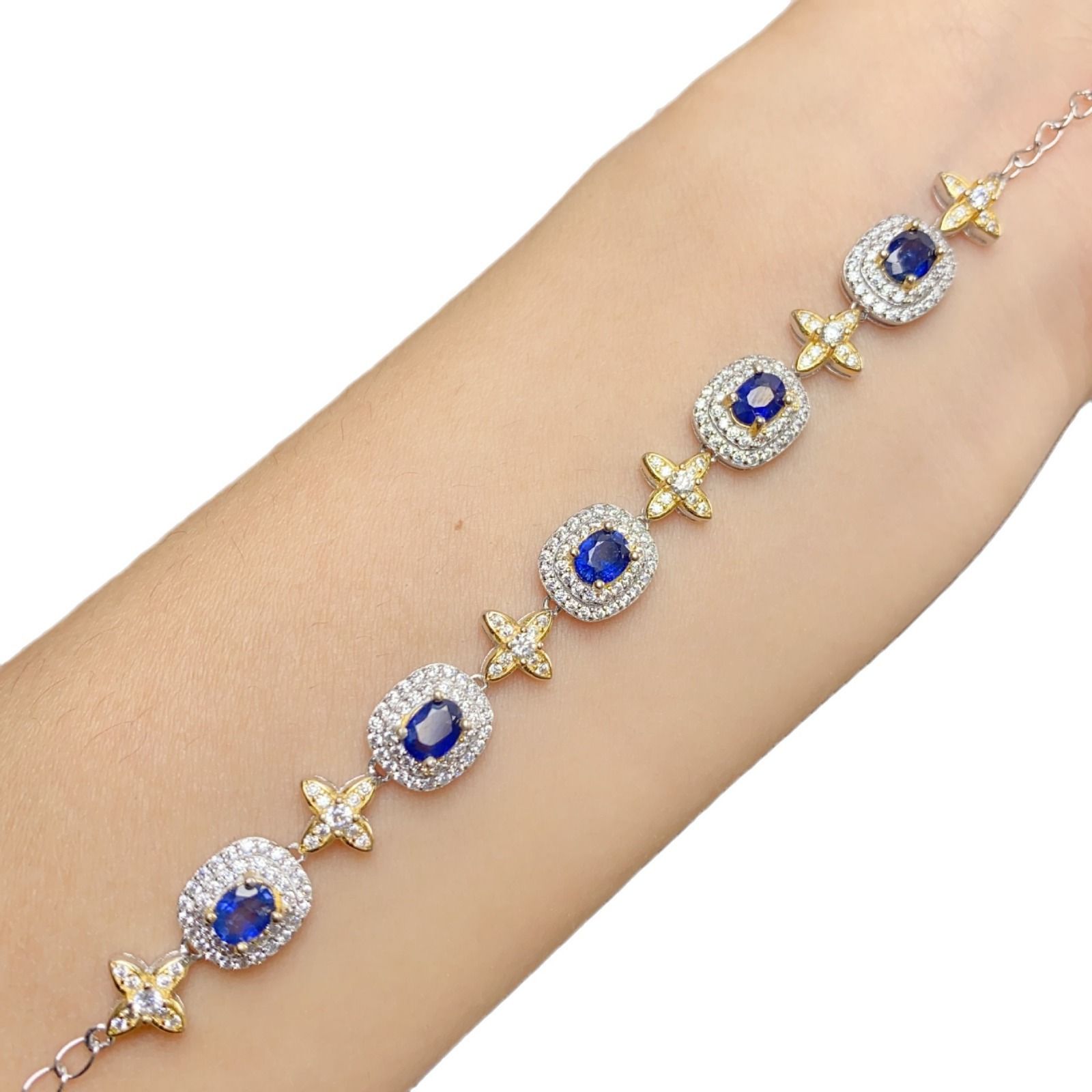
S925 silver natural sapphire bracelet 4 * 5mm advanced sense design
$300.00
Level 15% OFF
Level 210% OFF
Level 315% OFF
-

New on New Natural Sapphire Bracelet 925 Silver Inlay Gift
$303.99
Level 15% OFF
Level 210% OFF
Level 315% OFF
-
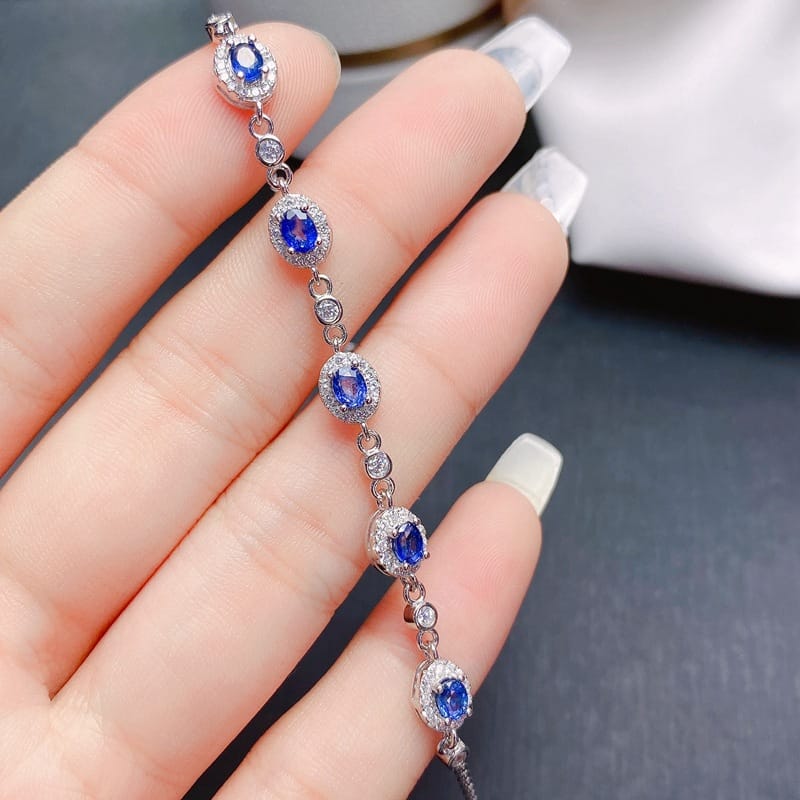
Women's bracelet simple fresh 925 silver inlaid natural sapphire beautiful style
$162.00
Level 15% OFF
Level 210% OFF
Level 315% OFF
-
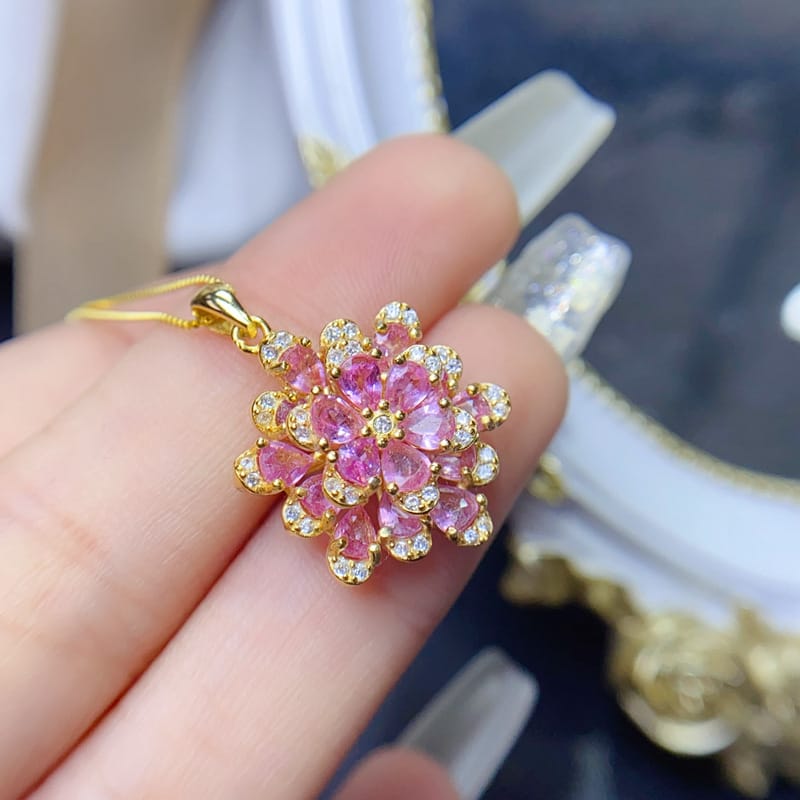
New fashion natural pinky sapphire pendant 3*5mm water drop pinky sapphire lady pendant
$1,009.00
Level 15% OFF
Level 210% OFF
Level 315% OFF
-

Fashion evening Gift necklace girls pendant natural sapphire necklace 925 silver 4*6mm
$596.00
Level 15% OFF
Level 210% OFF
Level 315% OFF
-
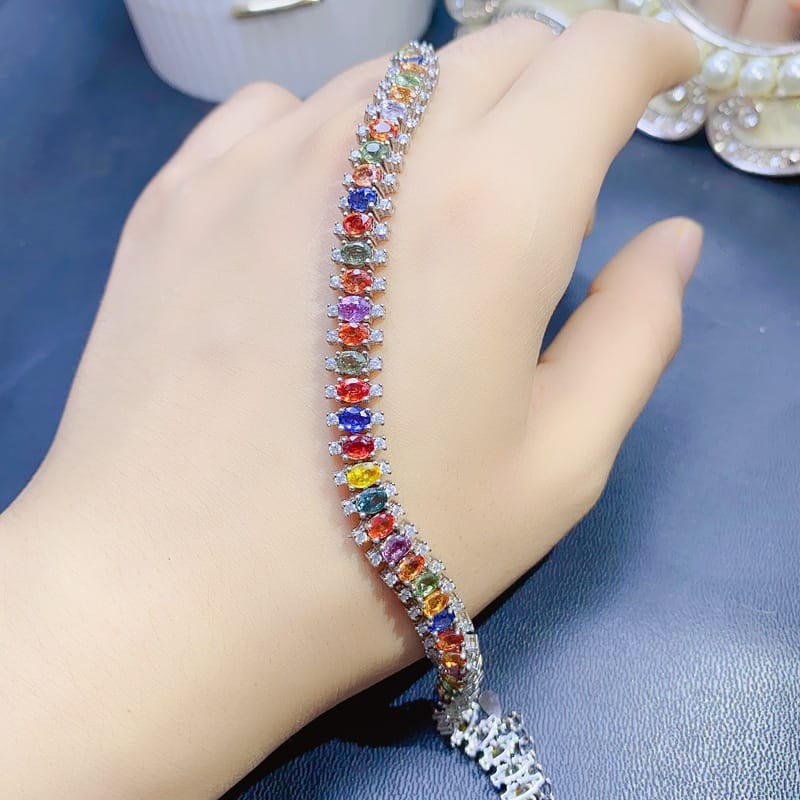
Fashion Jewelry New Simple Light Luxury Natural Color Sapphire Bracelet 925 Silver
$909.00
Level 15% OFF
Level 210% OFF
Level 315% OFF
-
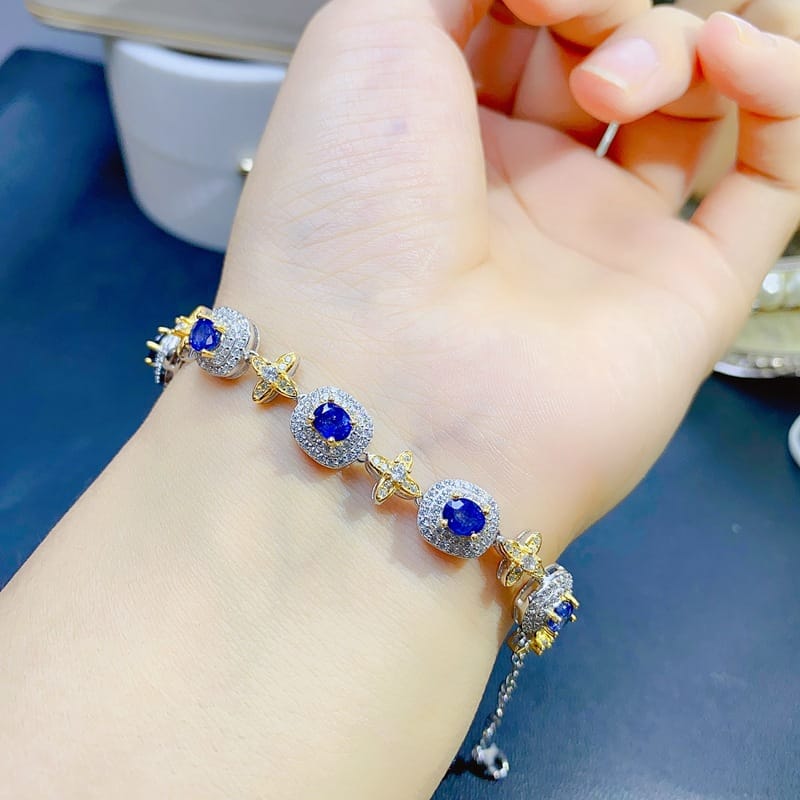
Fashion New Simple Two-color Japanese Light Luxury Natural Sapphire Bracelet 925 Silver
$279.00
Level 15% OFF
Level 210% OFF
Level 315% OFF
-
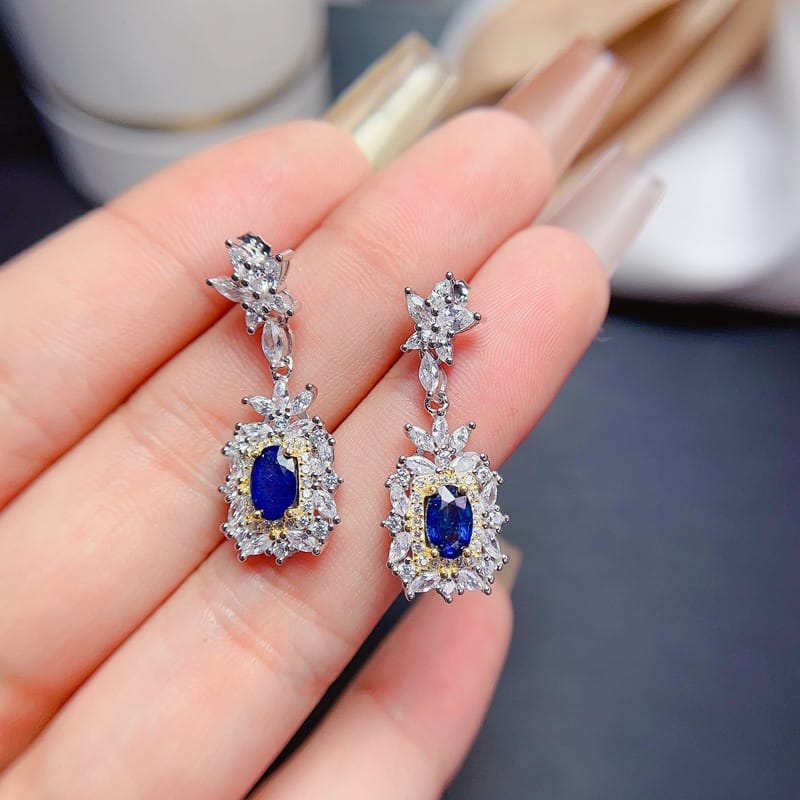
Sapphire earrings 925 silver ladies natural sapphire
$170.00
Level 15% OFF
Level 210% OFF
Level 315% OFF
-
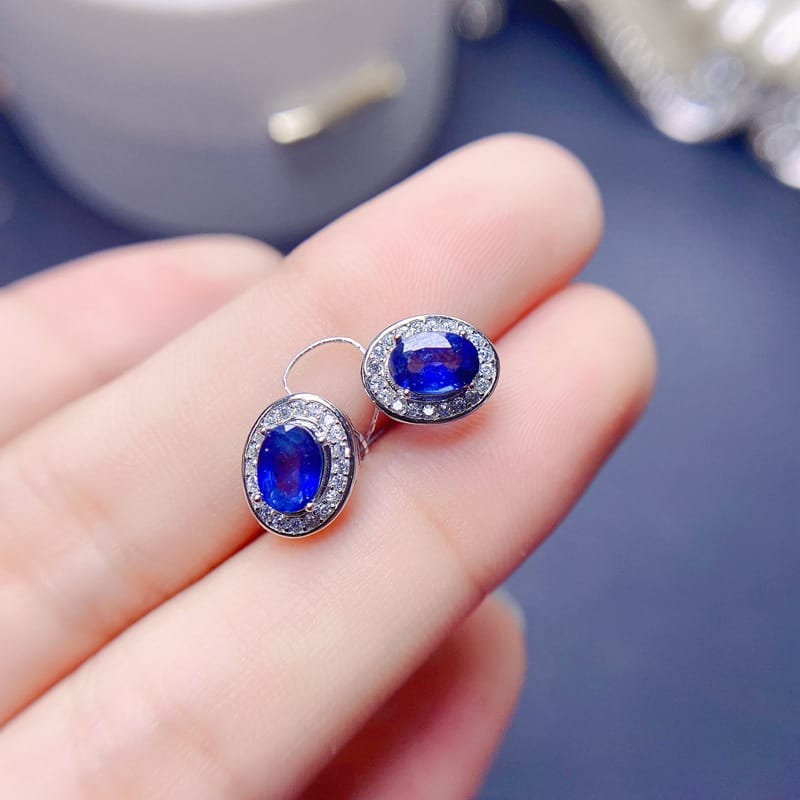
Sapphire stud earrings 925 silver women's natural sapphire
$142.99
Level 15% OFF
Level 210% OFF
Level 315% OFF
-
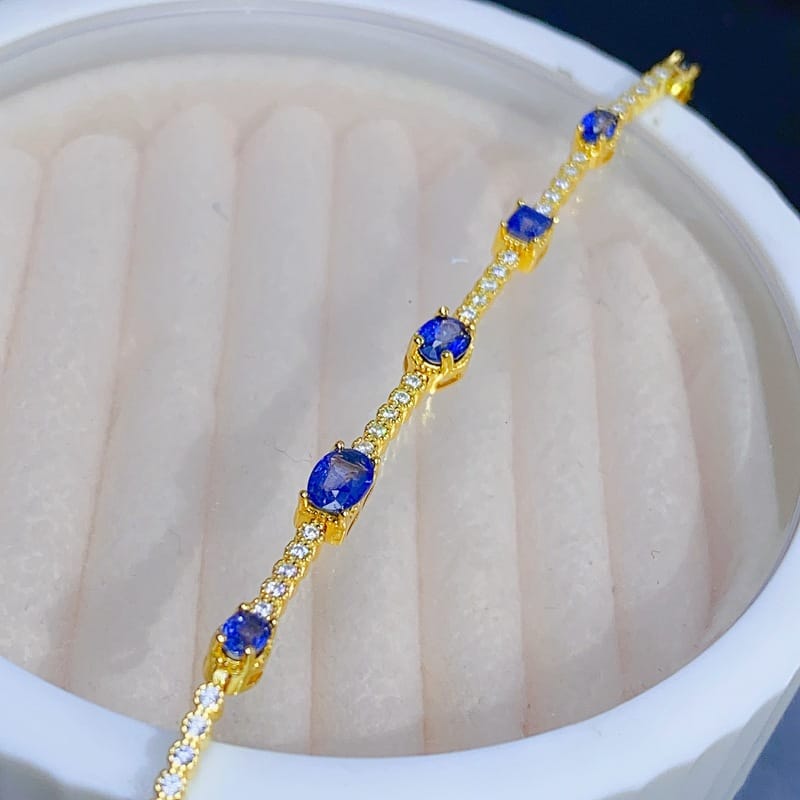
Natural sapphire bracelet 925 silver bracelet for girlfriend gift
$219.00
Level 15% OFF
Level 210% OFF
Level 315% OFF
-
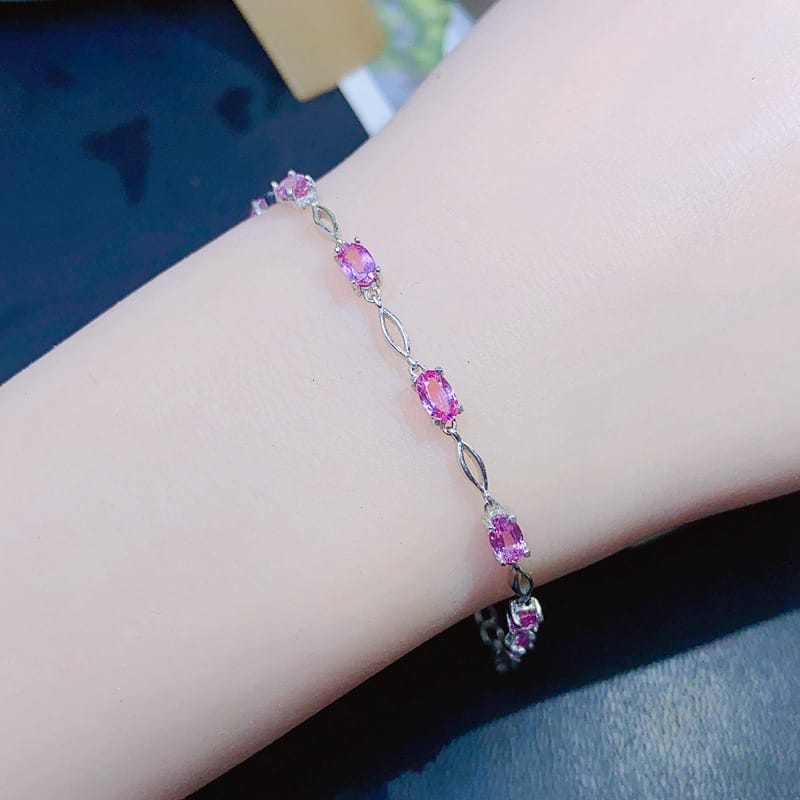
Natural Pink Sapphire Bracelet Shake Tone 925 Silver Papalacha Powder Sapphire
$706.00
Level 15% OFF
Level 210% OFF
Level 315% OFF
-
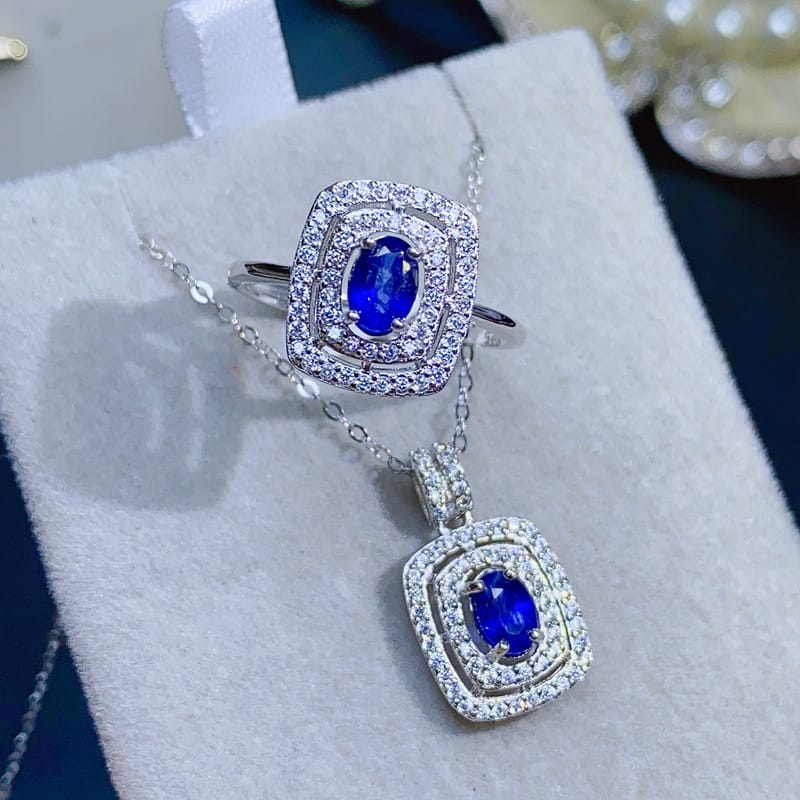
Natural sapphire 925 silver 4*6mm sapphire set shake set
$188.00
Level 15% OFF
Level 210% OFF
Level 315% OFF
-
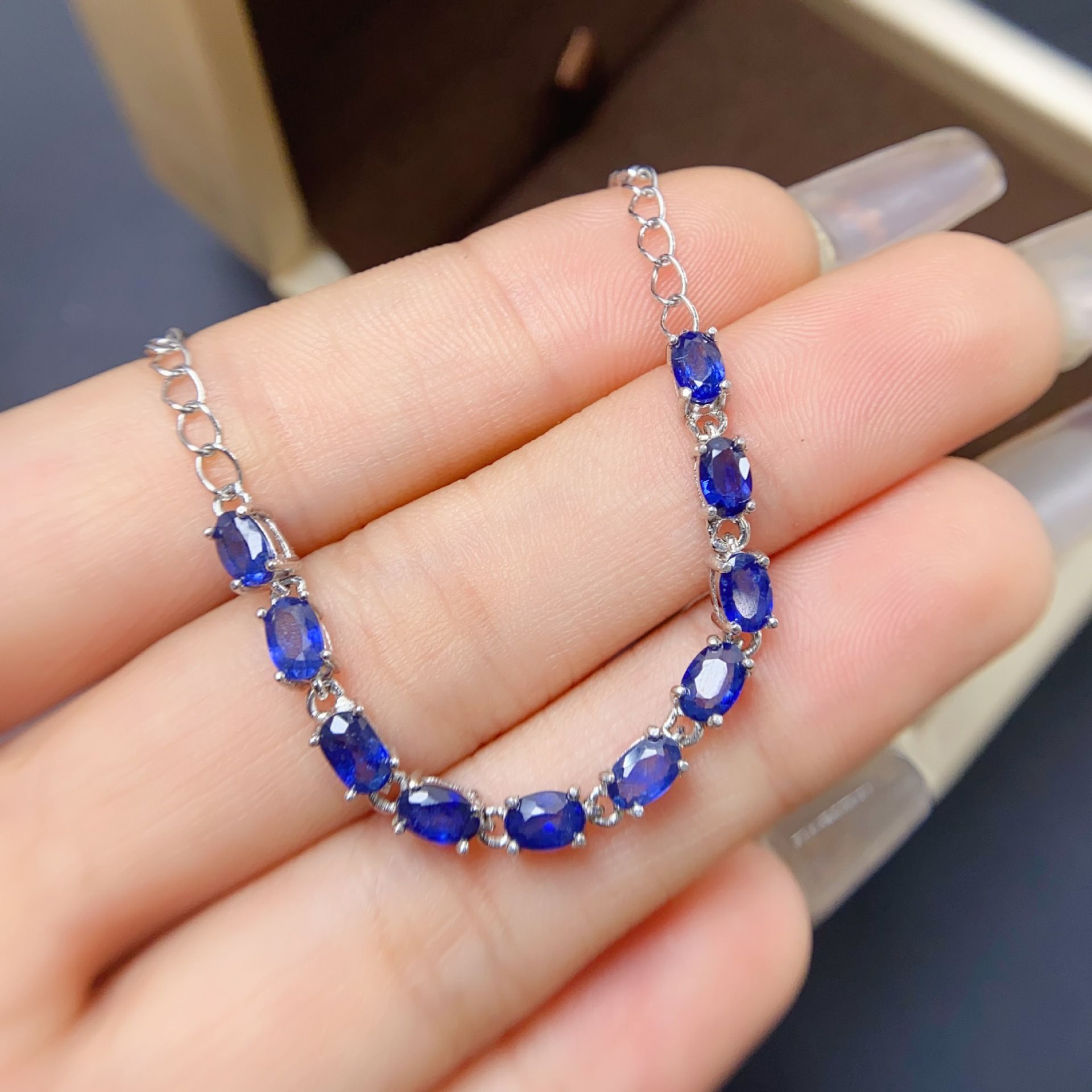
S925 silver inlaid simple fashion natural sapphire bracelet 3 * 5mm advanced sense design
$300.00
Level 15% OFF
Level 210% OFF
Level 315% OFF
-
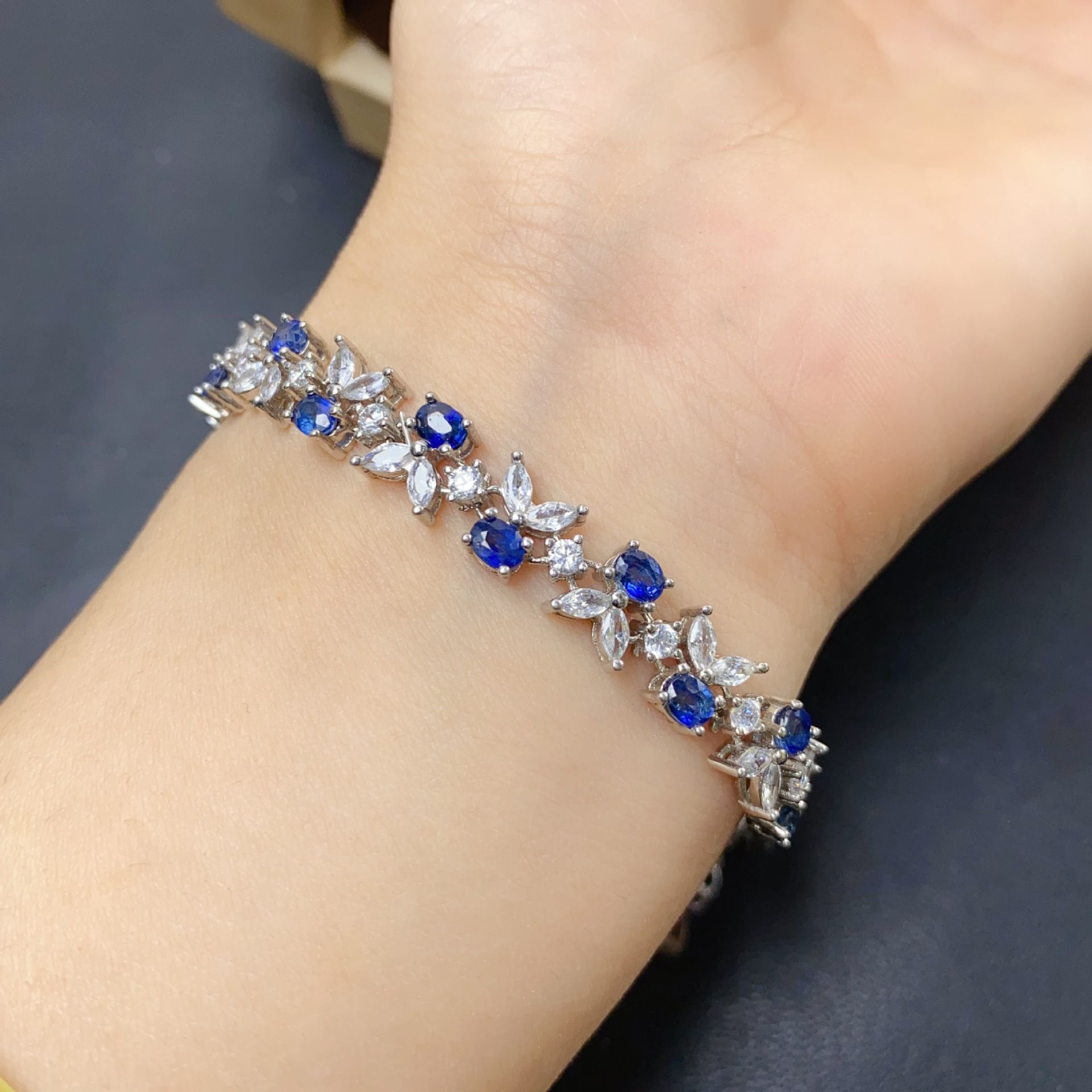
S925 silver inlaid simple fashion natural sapphire bracelet 3 * 4mm advanced sense design
$290.00
Level 15% OFF
Level 210% OFF
Level 315% OFF
-

Natural Color Sapphire Bracelet 925 Sterling Silver Certificate
$555.00
Level 15% OFF
Level 210% OFF
Level 315% OFF
-

Fashion natural sapphire 925 silver 4 * 6mm sapphire ring and necklace
$188.00
Level 15% OFF
Level 210% OFF
Level 315% OFF
-
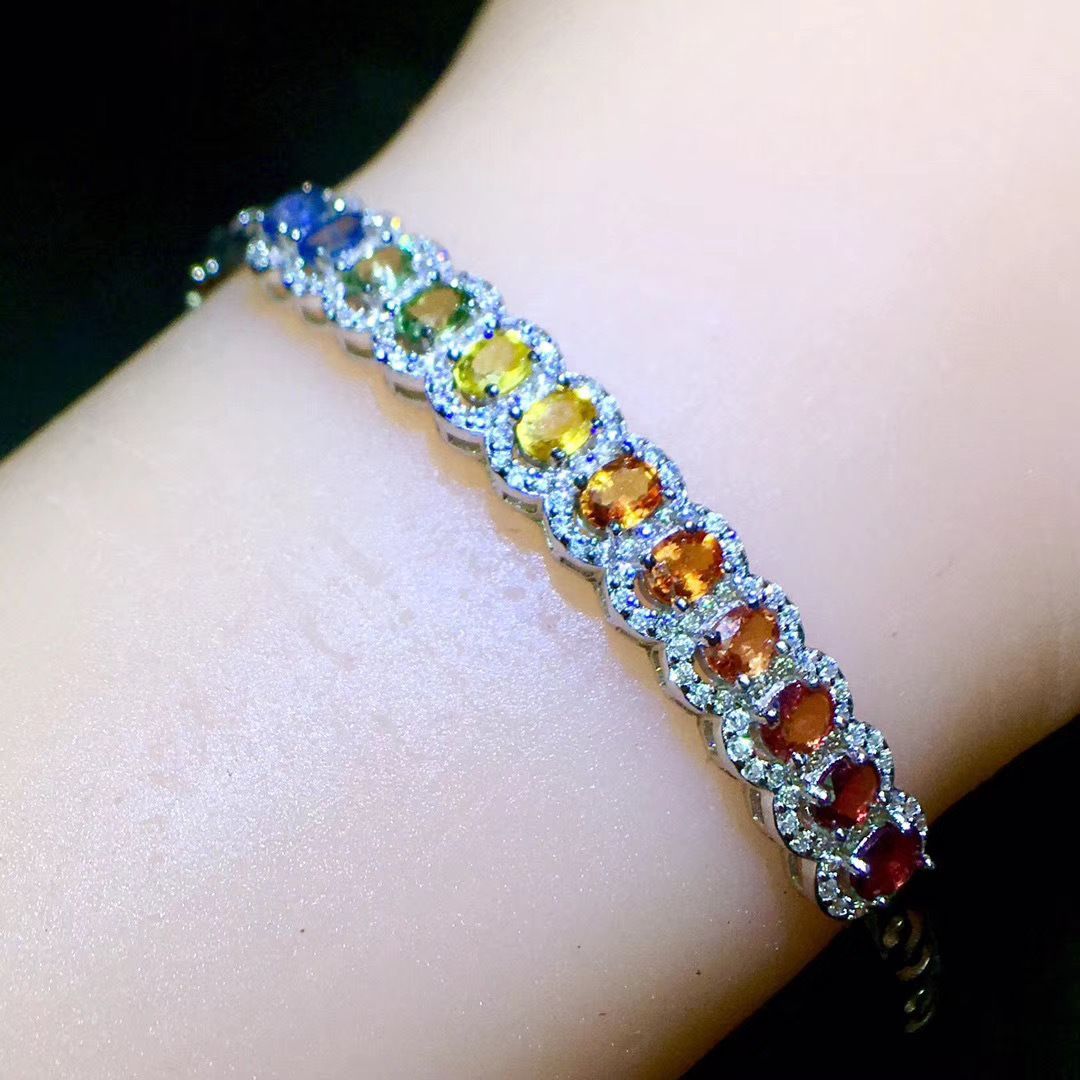
Natural color sapphire bracelet 925 silver jewelry
$470.00
Level 15% OFF
Level 210% OFF
Level 315% OFF
-
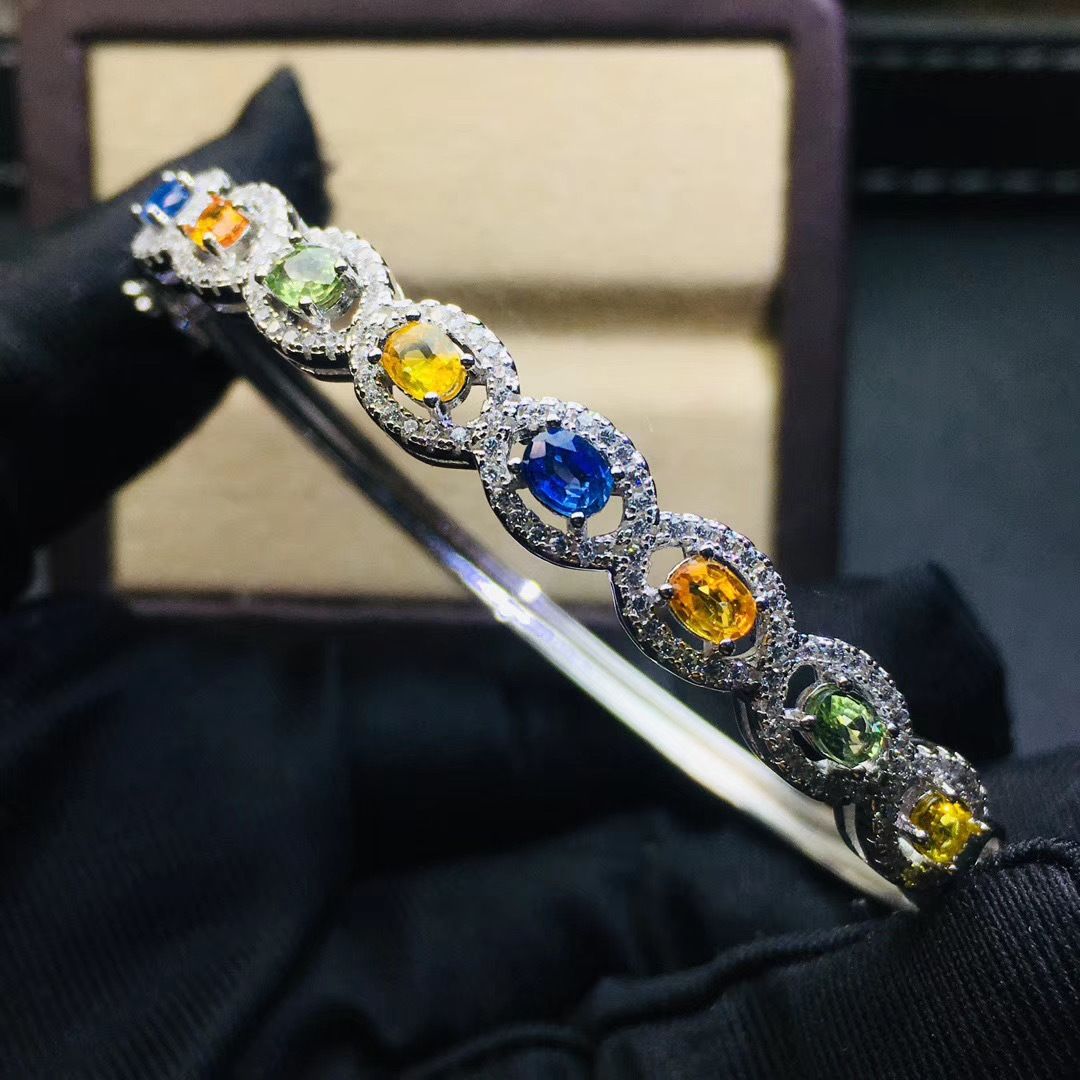
Natural color sapphire bracelet 925 silver jewelry
$378.00
Level 15% OFF
Level 210% OFF
Level 315% OFF
-
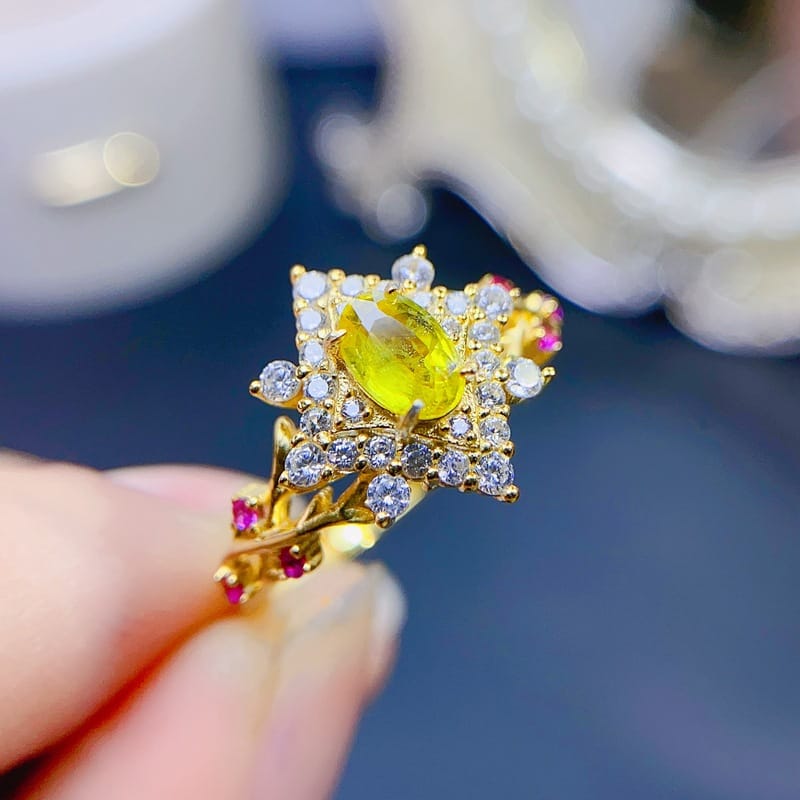
Natural yellow sapphire ring 925 silver open 6 * 4mm beauty ring
$138.00
Level 15% OFF
Level 210% OFF
Level 315% OFF