
 GB(GBP)
 CN(CNY)
Blog
Ruby: The Blood of Kings and the Stone of Immortality
- Mar.25, 2026 00:00:00
- 0 Comments
Long before diamonds became a girl’s best friend, rubies were the undisputed rulers of the gemstone world. Known as *ratnaraj*—the “King of Gems”—in ancient Sanskrit, the ruby’s crimson fire has ignited human imagination for over two thousand years. Its history is not merely a record of mining and trade, but a saga of warriors, emperors, and mystics who saw in this red stone the very essence of life, passion, and power.
The story of the ruby begins in the steep, mist-shrouded valleys of Mogok in modern-day Myanmar (Burma). For centuries, this region was the world’s most legendary source of rubies. Local legend held that rubies were drops of blood from the dragon Naga, which solidified into stone. The finest specimens possessed a vivid, slightly bluish-red hue known as “pigeon’s blood”—a term still used today to denote exceptional quality.
In ancient Burma, rubies were far more than ornaments. Warriors believed the stone bestowed invincibility in battle. They did not simply wear them; they performed rituals to insert rubies beneath their skin, convinced the gem would make them immune to swords and spears. Kings would not part with their finest stones, believing that to do so would endanger their sovereignty and even their soul.
Traveling westward to India, the ruby’s status remained supreme. Hindu texts divided rubies into four castes, mirroring the social hierarchy, with the Brahmin ruby—perfect in clarity and color—being the most sacred. It was believed that offering rubies to the god Krishna would guarantee rebirth as a powerful emperor. The *Garuda Purana*, an ancient Sanskrit text, declared that a man who owned a fine ruby would enjoy peace, prosperity, and protection from all dangers.
As trade routes expanded, rubies journeyed along the Silk Road into the opulent courts of Persia, Byzantium, and medieval Europe. In these cultures, the ruby was prized not only for its beauty but for its supposed magical properties. It was believed to darken when poison was present, to calm anger, and to glow with its own inner light—a “living flame” that could not be extinguished.
Perhaps no ruby carries more historical weight than the Black Prince’s Ruby, the centerpiece of the British Imperial State Crown. Despite its name, this massive, uncut red gem (later identified as a spinel, a close cousin of ruby) has witnessed over six centuries of British history. It was owned by Edward of Woodstock (the Black Prince) in the 14th century, worn by Henry V at the Battle of Agincourt in 1415, and survived the English Civil War before being set into the crown of Queen Victoria. Today, it rests in the Tower of London, a silent witness to coronations, battles, and empire.
For much of history, the distinction between ruby and spinel was unknown. Many of the famous “rubies” in European crown jewels—including the Black Prince’s Ruby and the Timur Ruby—were later discovered to be spinels. This confusion did nothing to diminish the gem’s value; it only added to the mystique that true rubies were the rarest treasures on earth.
The European thirst for rubies intensified during the Age of Exploration. When Hernán Cortés conquered the Aztec Empire, he reportedly sought rubies in Montezuma’s treasures, only to find that the New World was rich in emeralds but lacked fine rubies. The source remained stubbornly fixed in Asia, particularly in Burma and Sri Lanka, until the 19th century.
The 20th century brought two dramatic shifts. First, the development of synthetic rubies made the stone accessible to the masses. No longer the exclusive domain of emperors, rubies could now be created in laboratories. Second, the discovery of new deposits in Thailand, Cambodia, and Africa reshaped the market. Yet rubies from the historic mines of Mogok—now largely depleted—became even more coveted, regularly fetching higher prices per carat than diamonds at auction.
Today, the ruby remains one of the four precious gemstones, alongside diamond, emerald, and sapphire. It is the birthstone for July and the traditional gift for 40th wedding anniversaries. Whether set in the crown of a British monarch or mounted in a modern engagement ring, the ruby’s allure remains unchanged.
In an age of scientific precision, the ruby still carries the echoes of ancient beliefs. It is a stone of contradictions—valued for its hardness and durability, yet treasured for its warmth and fire. To hold a ruby is to hold a piece of earth’s most passionate history, a crimson heart that has beat alongside humanity for millennia.
Post Comment
Your email address will not be published.Required fields are marked. *
-
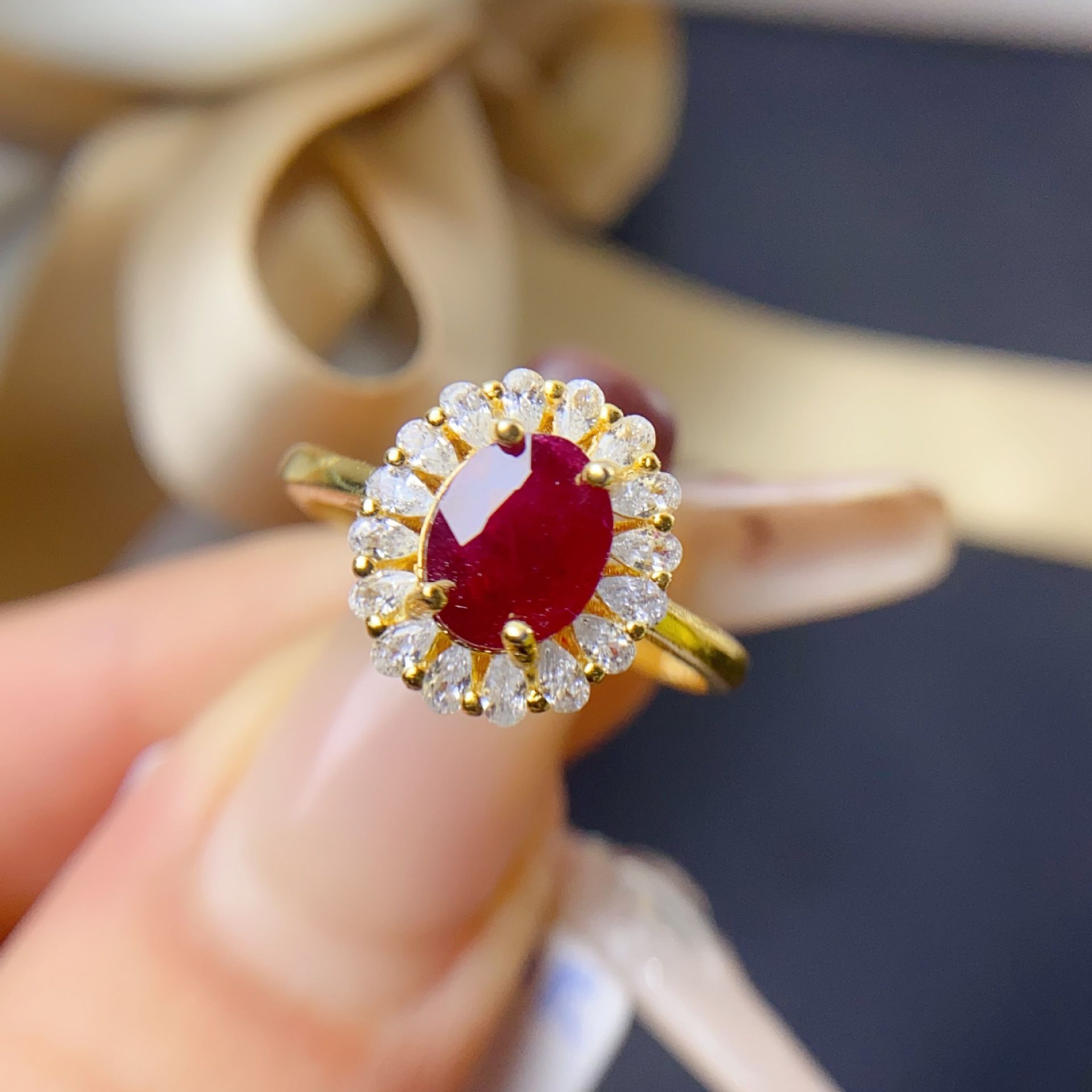
Fashion style natural laosaki Ruby women's ring S925 Silver open 6 * 8mm beauty ring
$370.00

 Level 15% OFF
Level 210% OFF
Level 315% OFF
-
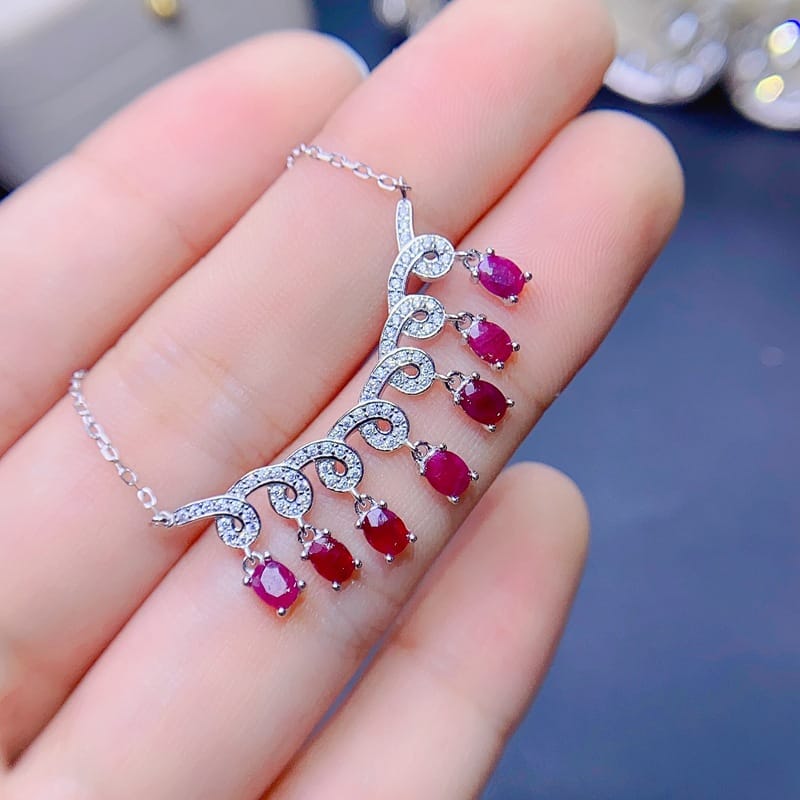
Fashion new color natural non-burnt ruby necklace 3*4mm ladies pendant
$288.00
Level 15% OFF
Level 210% OFF
Level 315% OFF
-
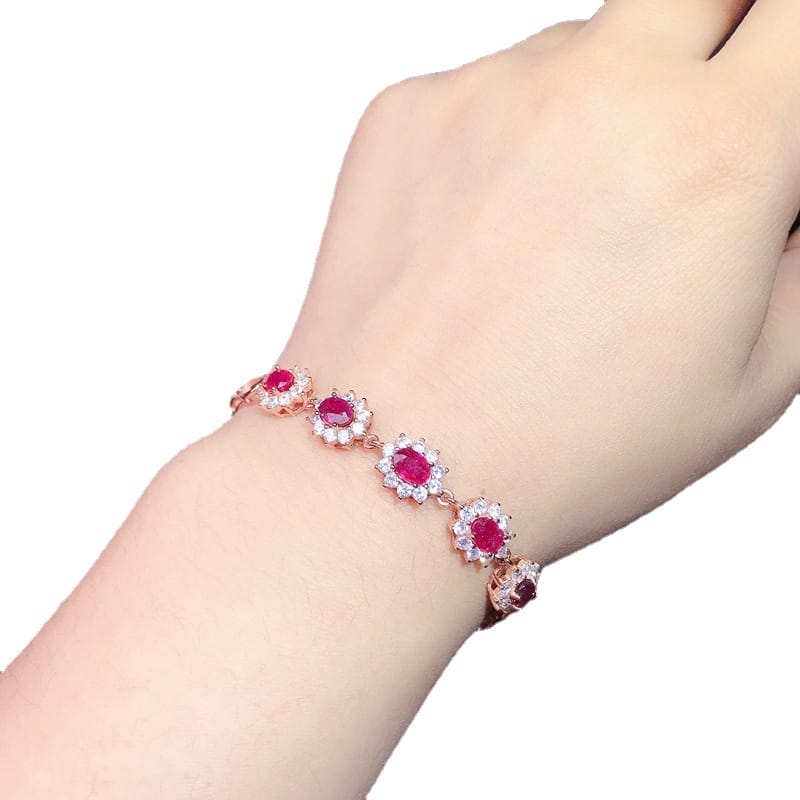
New Heated Ruby bracelet 925 silver Ruby with extended chain adjustable
$196.00
Level 15% OFF
Level 210% OFF
Level 315% OFF
-
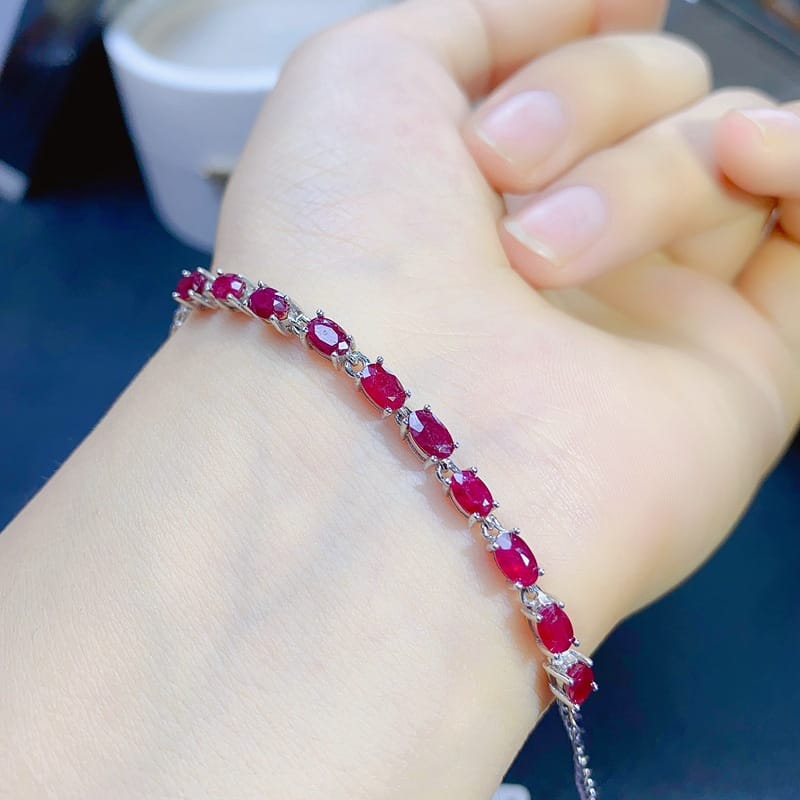
Natural old heated ruby bracelet 3*5mm 925 silver
$520.00
Level 15% OFF
Level 210% OFF
Level 315% OFF
-
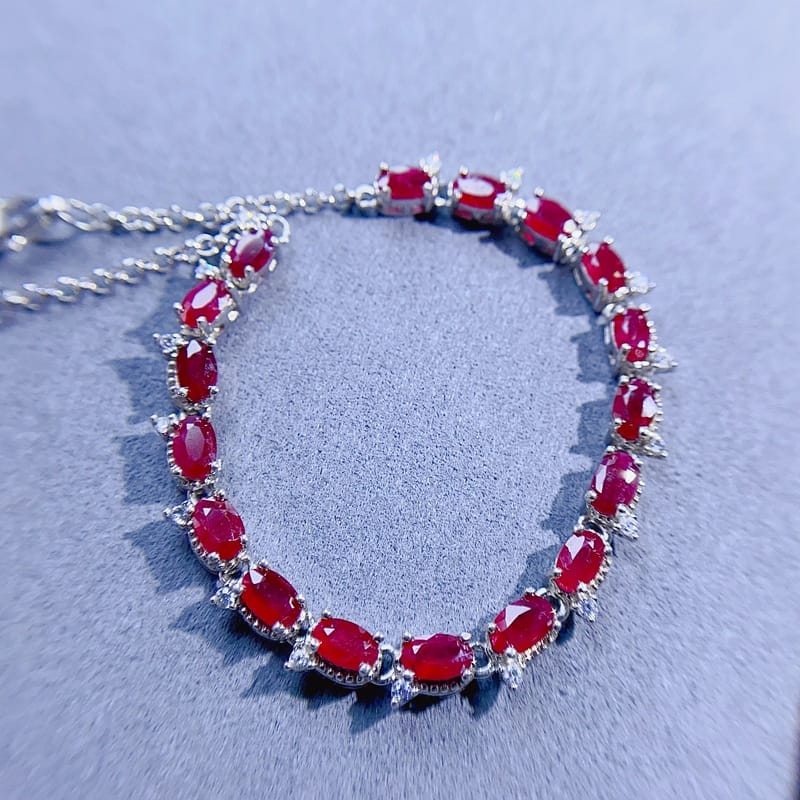
Natural old heated ruby bracelet 3*5mm 925 silver
$700.00
Level 15% OFF
Level 210% OFF
Level 315% OFF
-
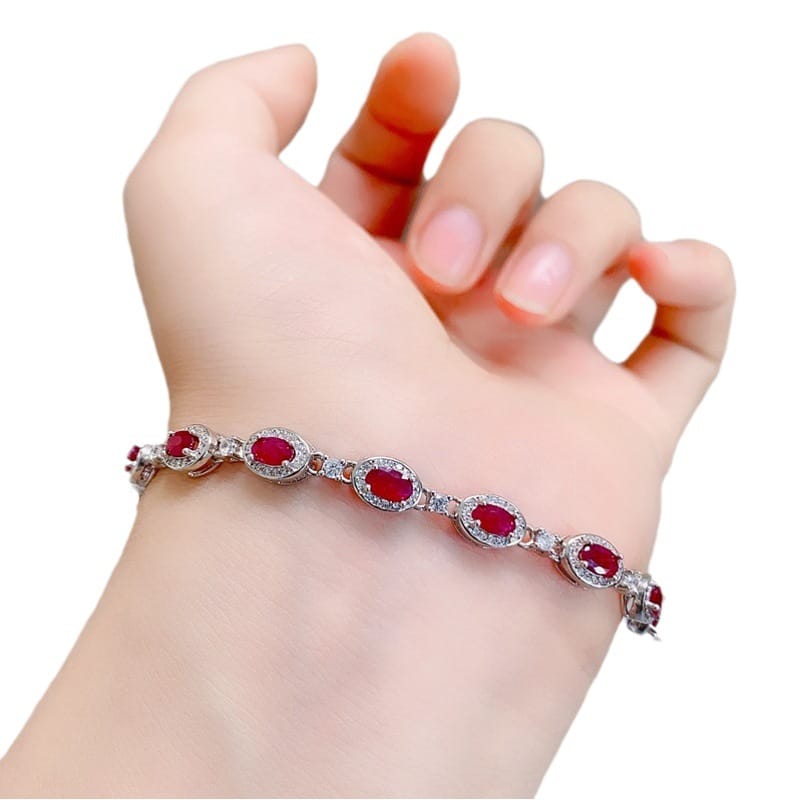
Natural old baked ruby bracelet 3*5mm 925 silver
$532.00
Level 15% OFF
Level 210% OFF
Level 315% OFF
-
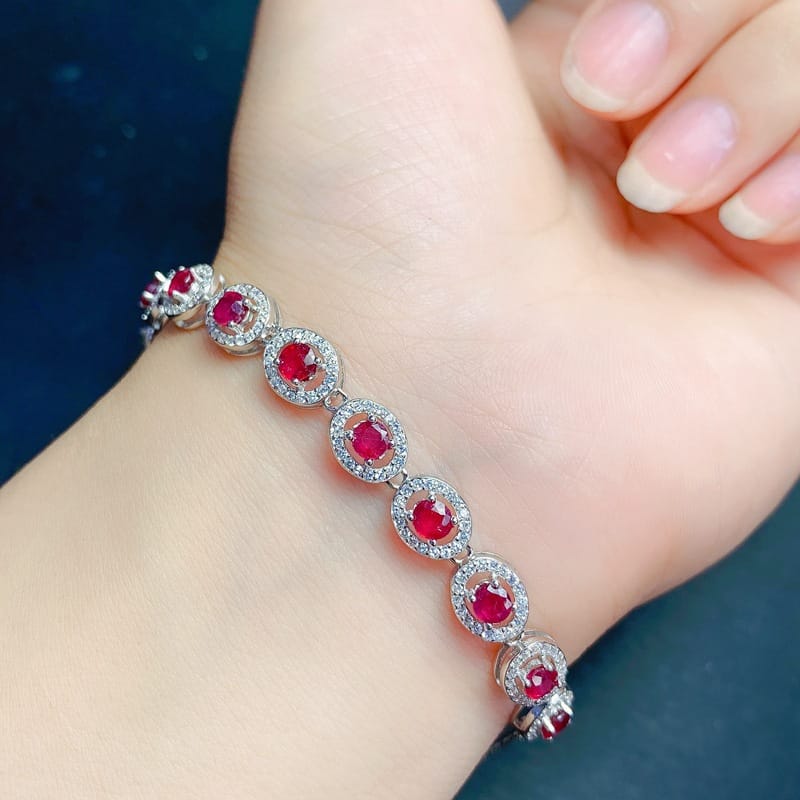
925 silver inlaid newly baked ruby bracelet exquisite style beautiful ladies
$273.00
Level 15% OFF
Level 210% OFF
Level 315% OFF
-
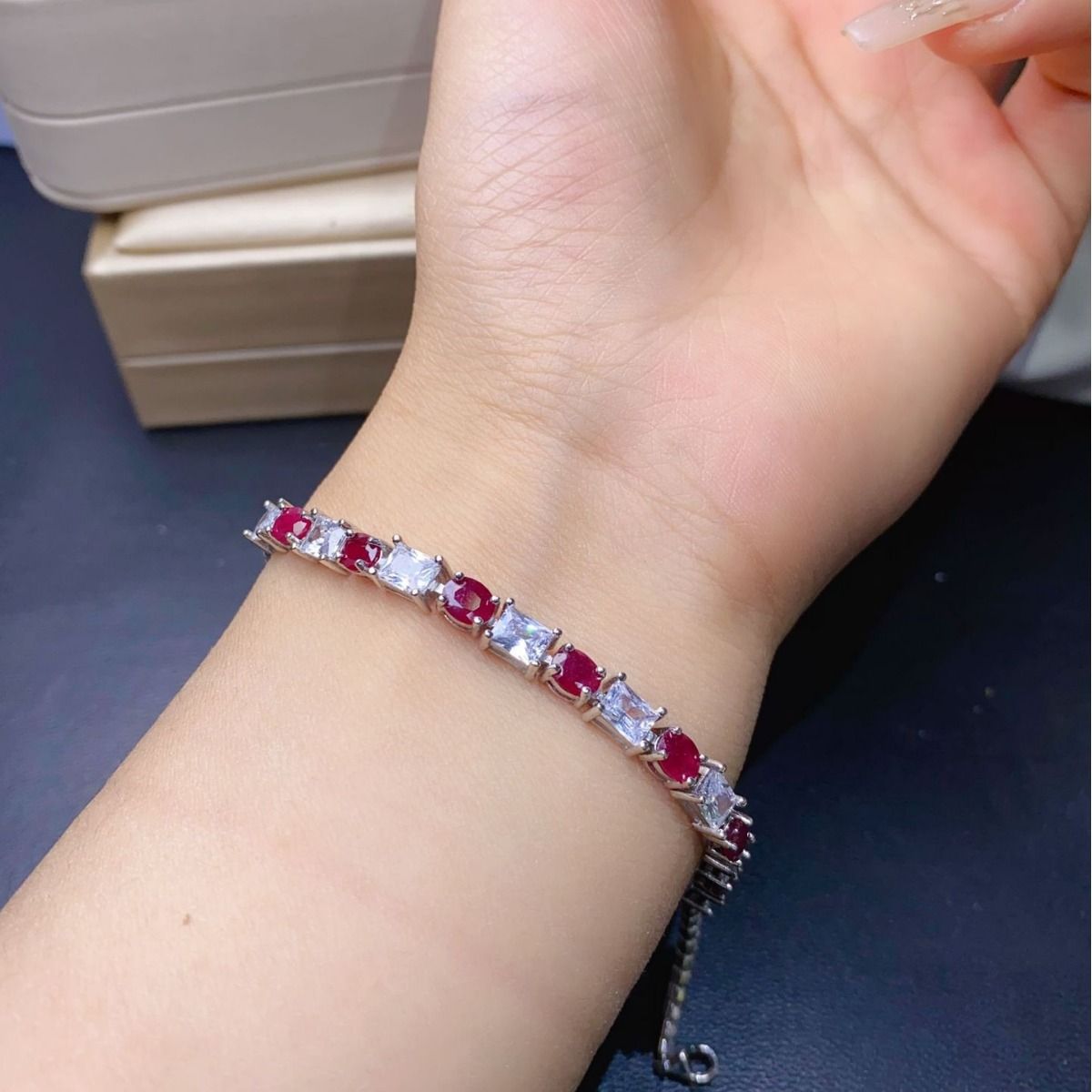
Old heated ruby bracelet 4 * 5mm 925 silver inlaid style beautiful ladies
$441.00
Level 15% OFF
Level 210% OFF
Level 315% OFF
-
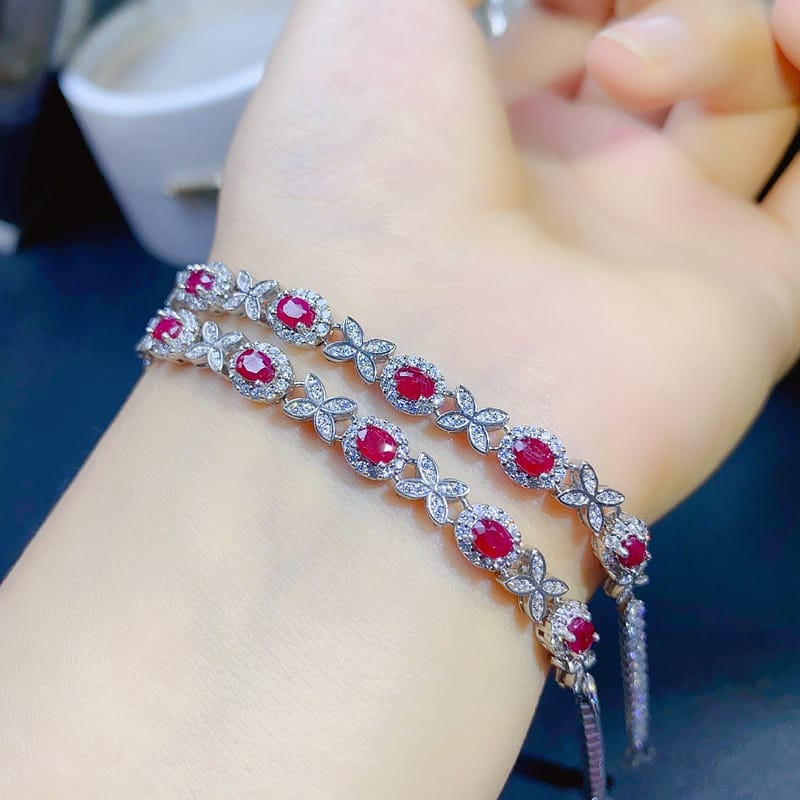
Natural old heated ruby bracelet 3*4mm 925 silver
$276.00
Level 15% OFF
Level 210% OFF
Level 315% OFF
-
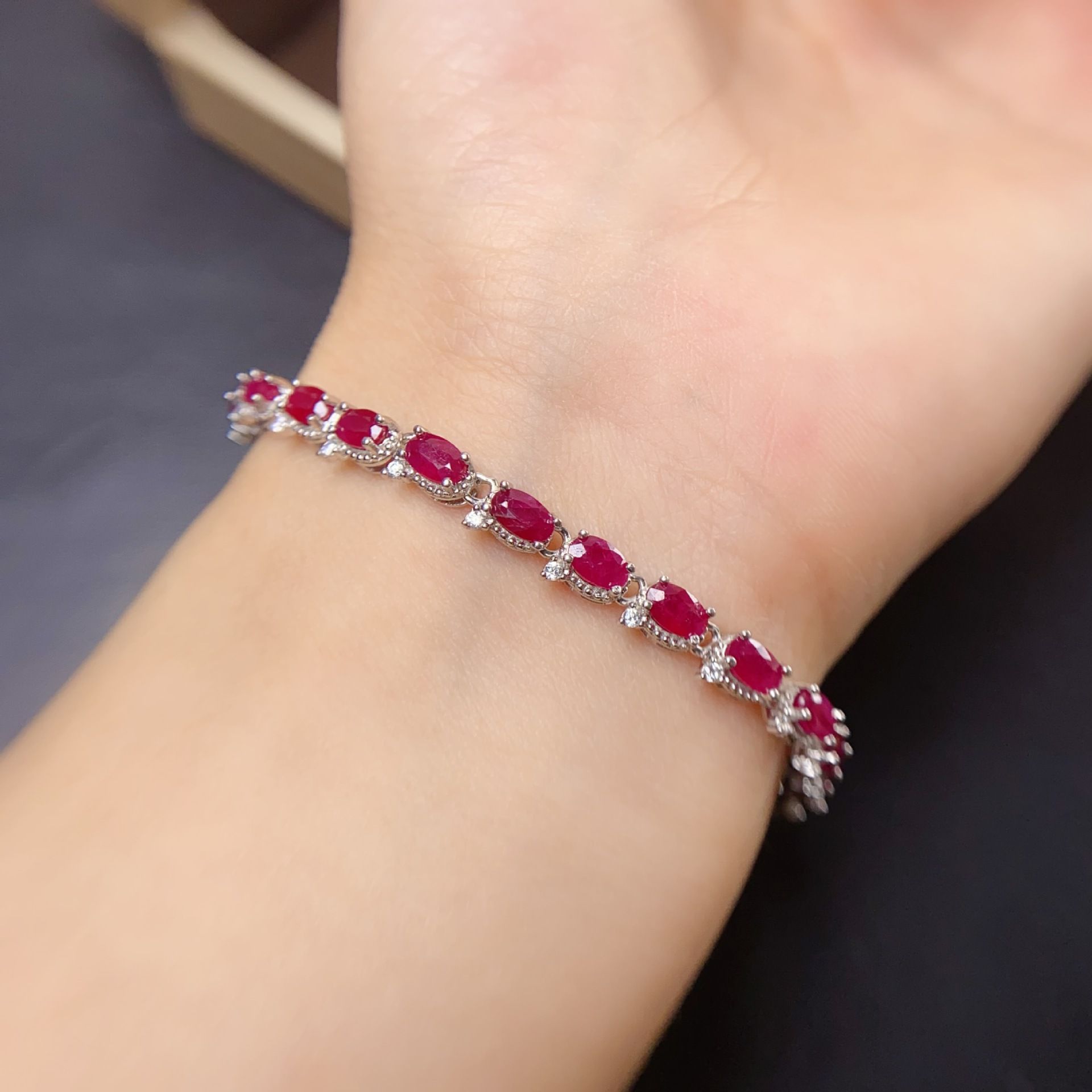
Natural ruby bracelet 3 * 5mm 925 silver bracelet beautiful style
$820.00
Level 15% OFF
Level 210% OFF
Level 315% OFF
-
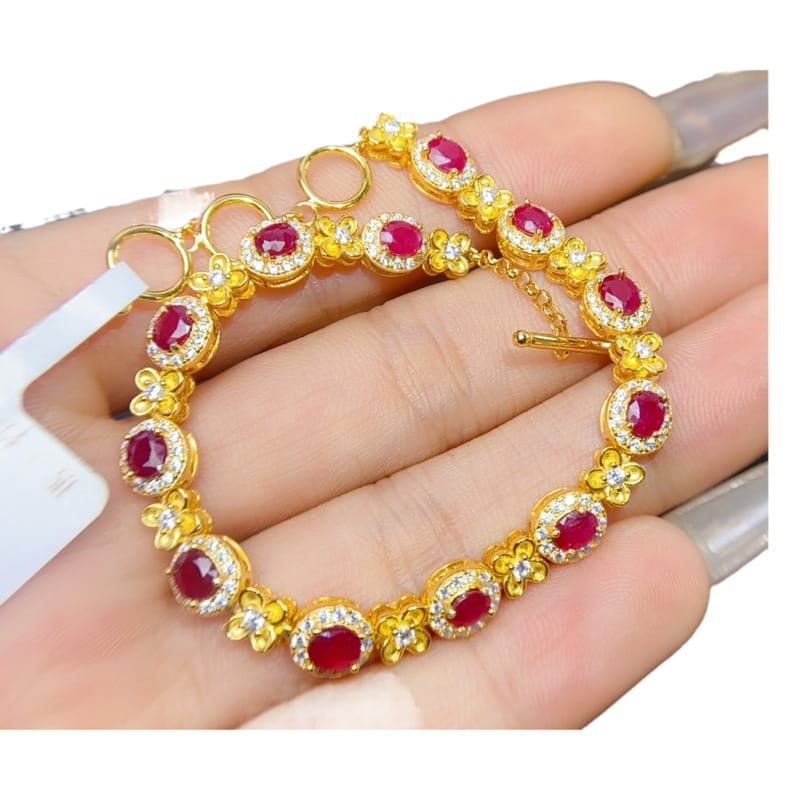
Natural old heated ruby bracelet 3 * 4mm 925 silver inlaid natural ruby bracelet beautiful style
$570.00
Level 15% OFF
Level 210% OFF
Level 315% OFF
-
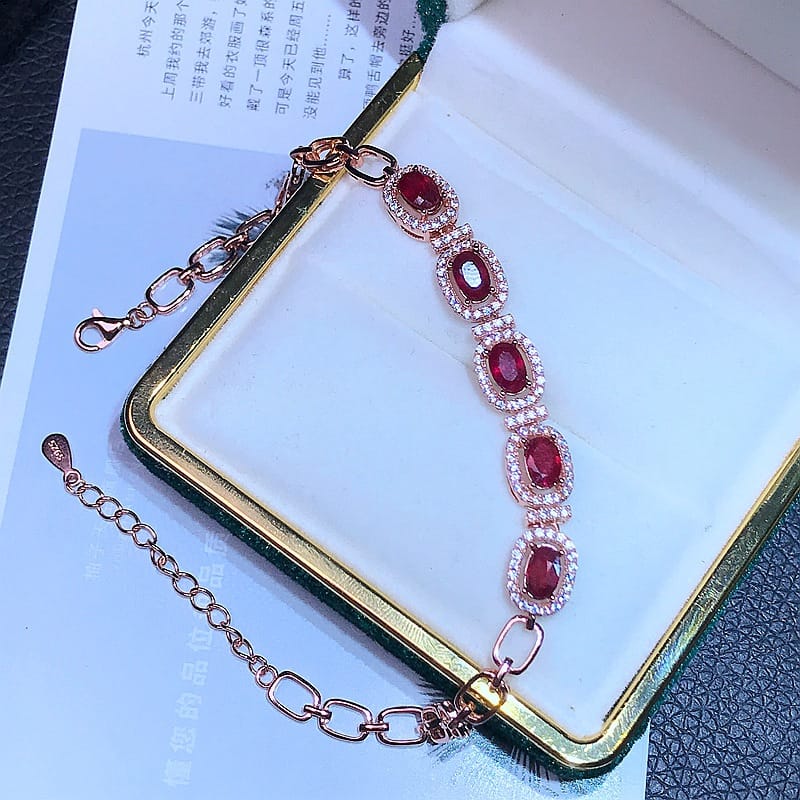
Ruby bracelet 925 silver inlaid ruby bracelet with extended chain adjustable
$215.00
Level 15% OFF
Level 210% OFF
Level 315% OFF
-
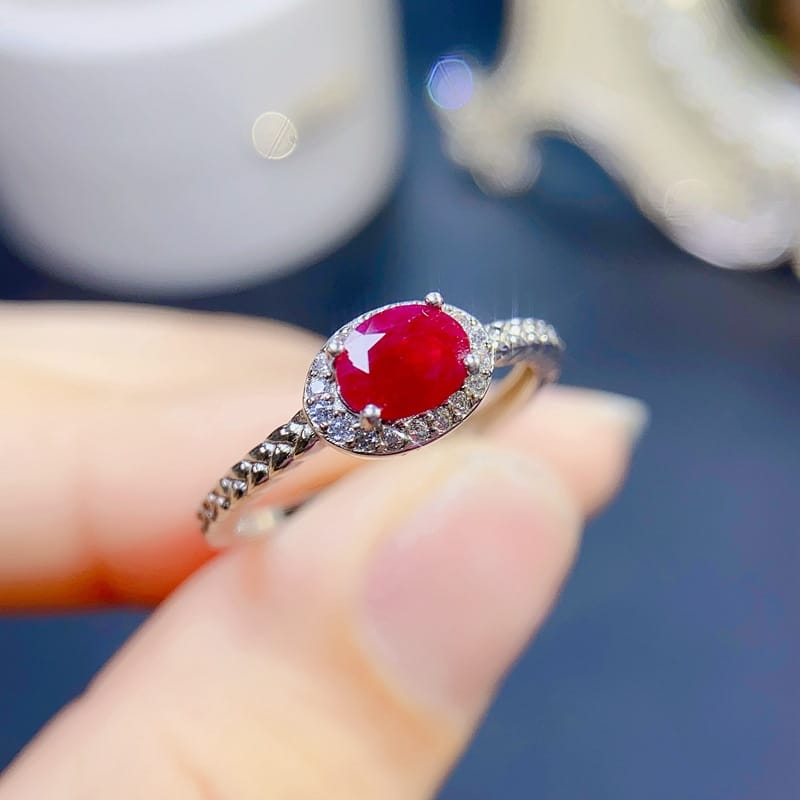
Simple personality natural old heated Ruby female ring 925 silver fashion 6*5mm
$149.00
Level 15% OFF
Level 210% OFF
Level 315% OFF
-
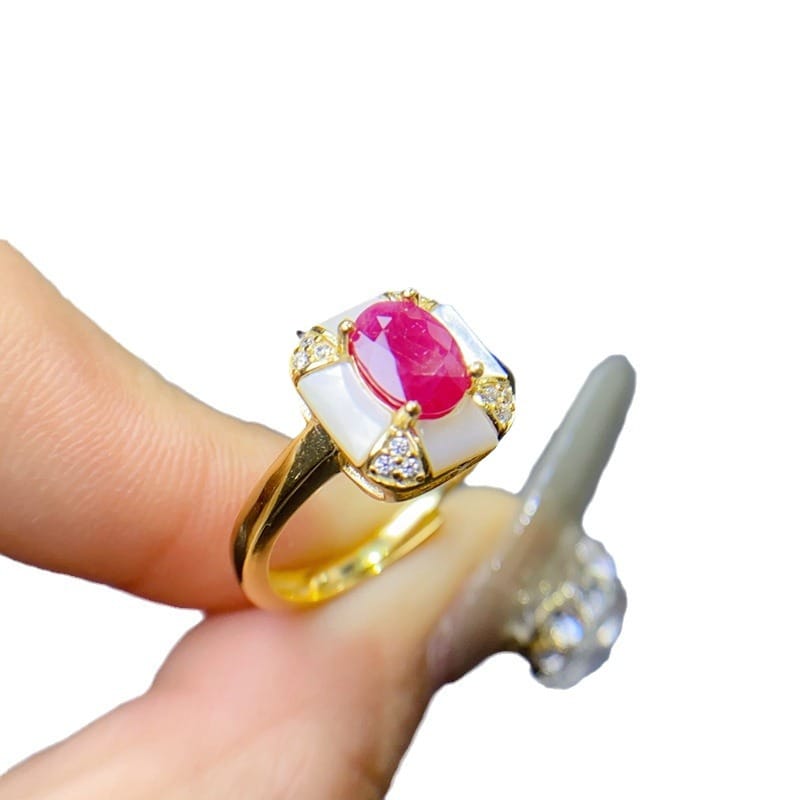
Shell fashion S925 silver natural old burned ruby ring 5*7mm double color women's ring
$262.00
Level 15% OFF
Level 210% OFF
Level 315% OFF
-
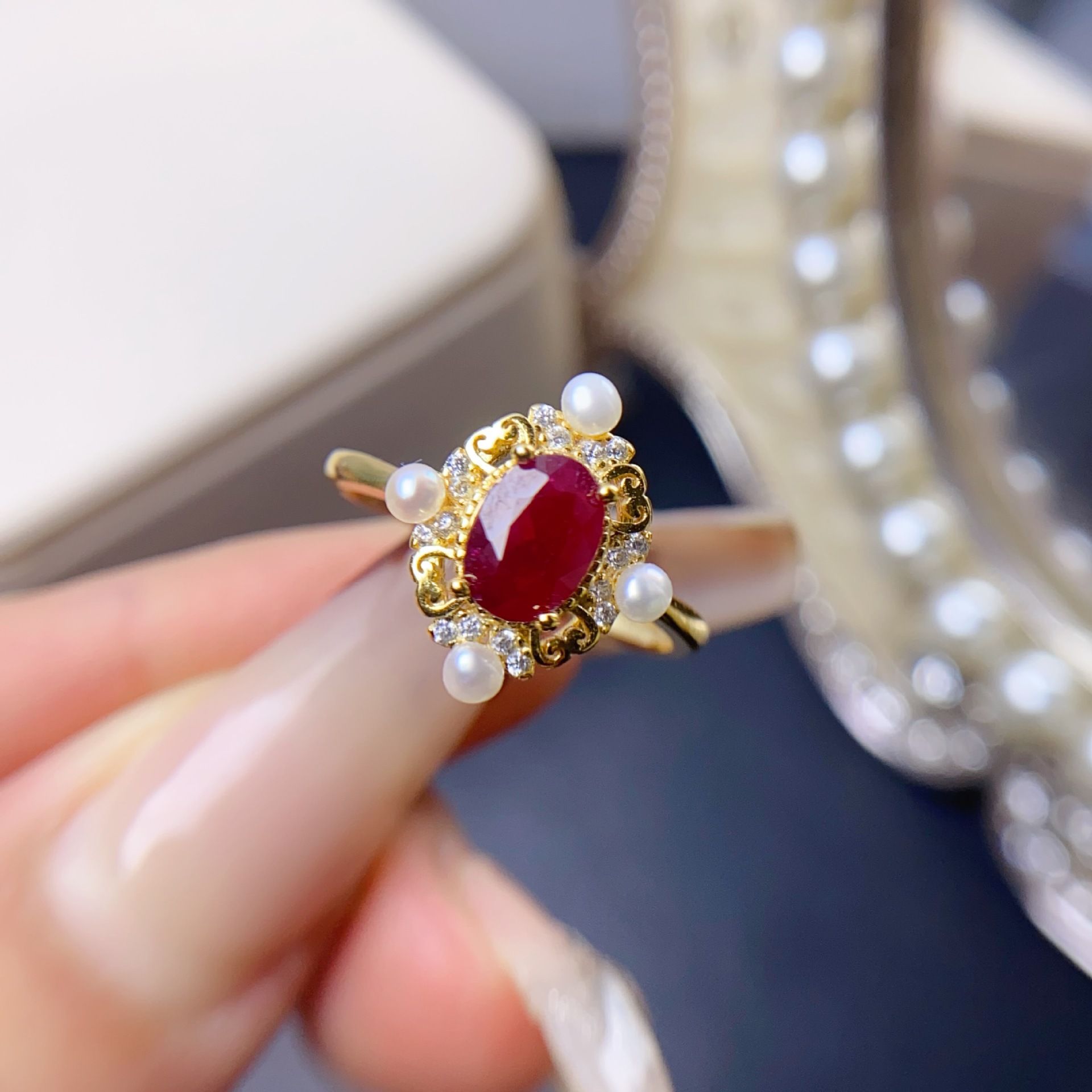
Fashion style natural laosaki Ruby women's ring S925 Silver 5 * 7mm beauty ring
$170.00
Level 15% OFF
Level 210% OFF
Level 315% OFF
-
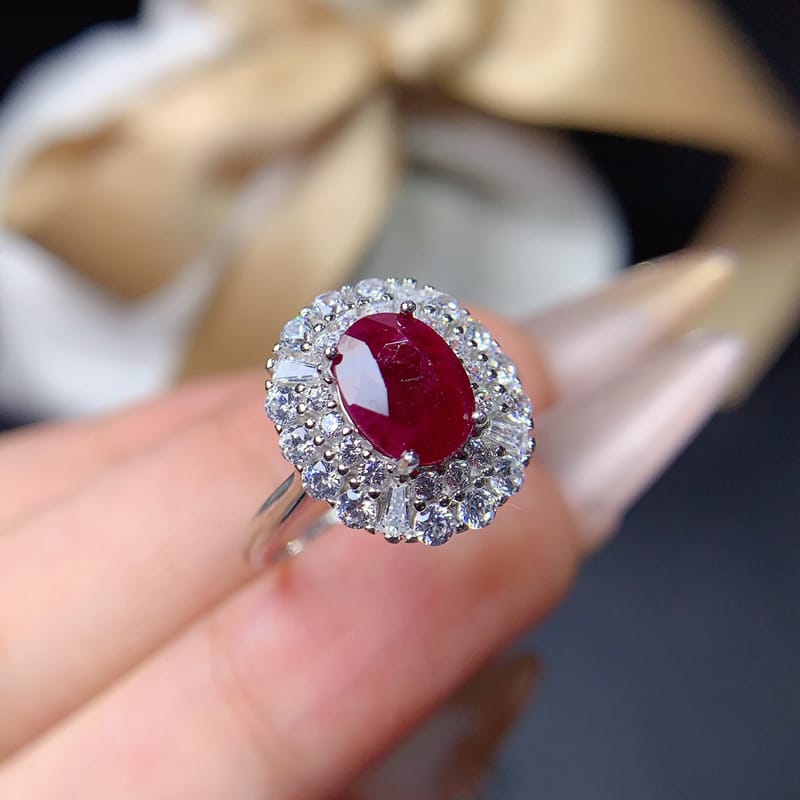
New simple natural old heated ruby 8*6mm ring 925 silver fashion women's ring
$385.00
Level 15% OFF
Level 210% OFF
Level 315% OFF
-
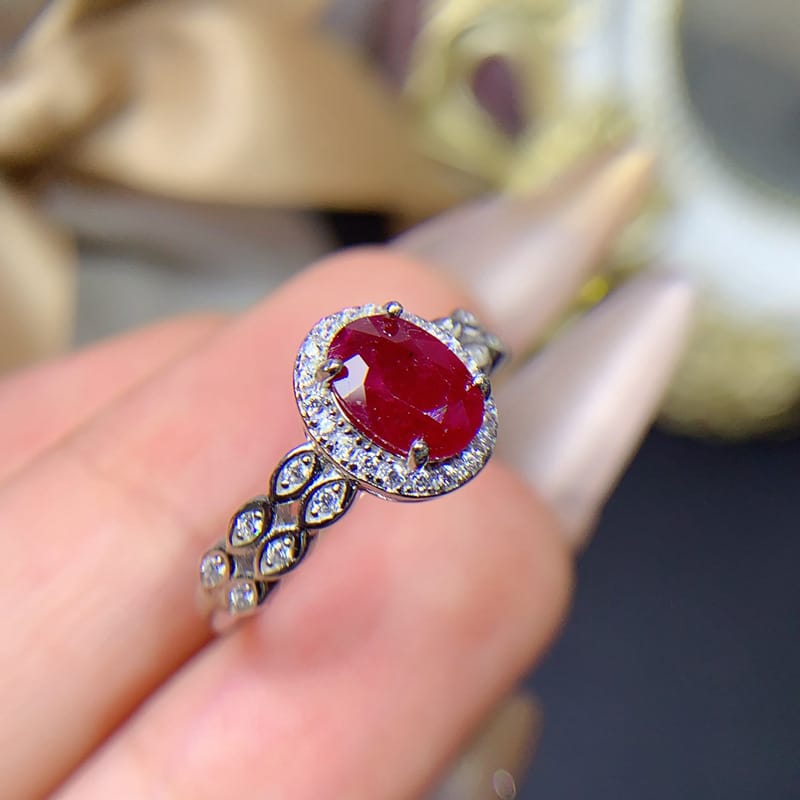
Old heated natural ruby 5*7mm ring 925 silver fashion women's ring
$265.00
Level 15% OFF
Level 210% OFF
Level 315% OFF
-
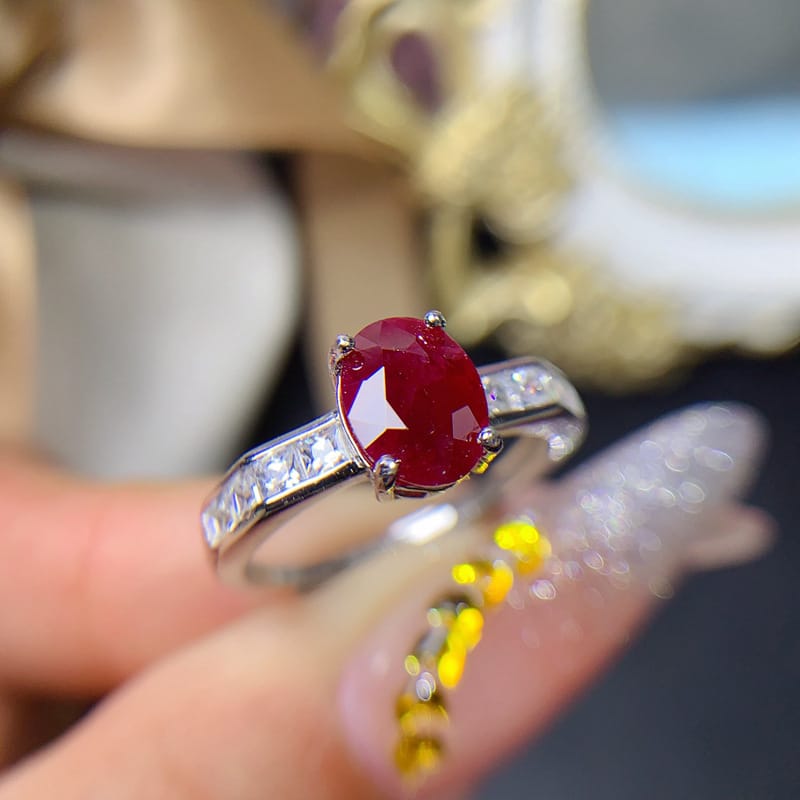
Old heated natural ruby 6*8mm ring 925 silver fashion women's ring
$395.00
Level 15% OFF
Level 210% OFF
Level 315% OFF
-
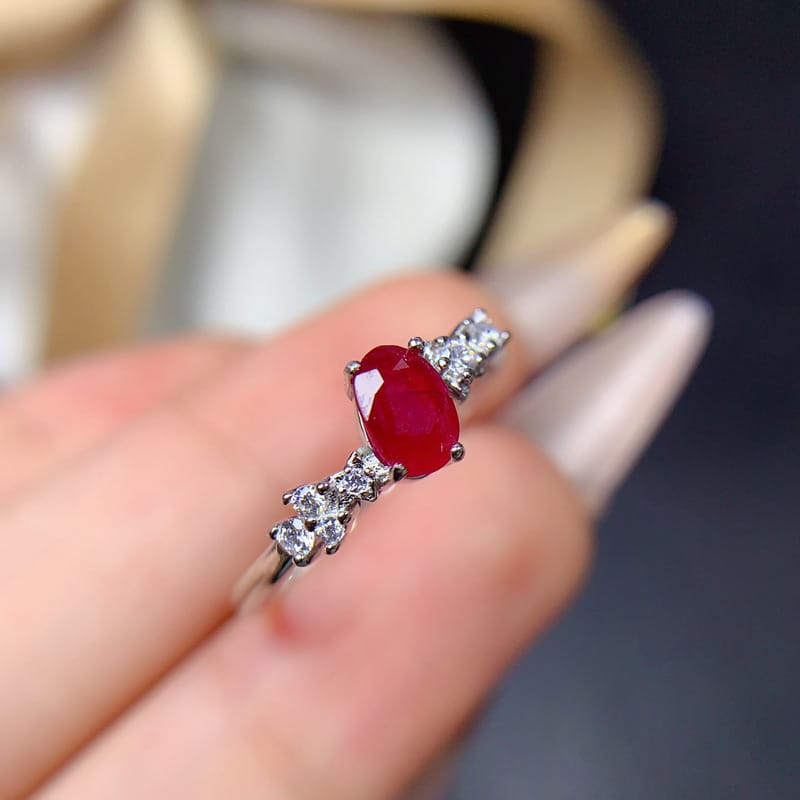
Simple natural old heated ruby 4*6mm ring 925 silver fashion women's ring
$140.00
Level 15% OFF
Level 210% OFF
Level 315% OFF
-
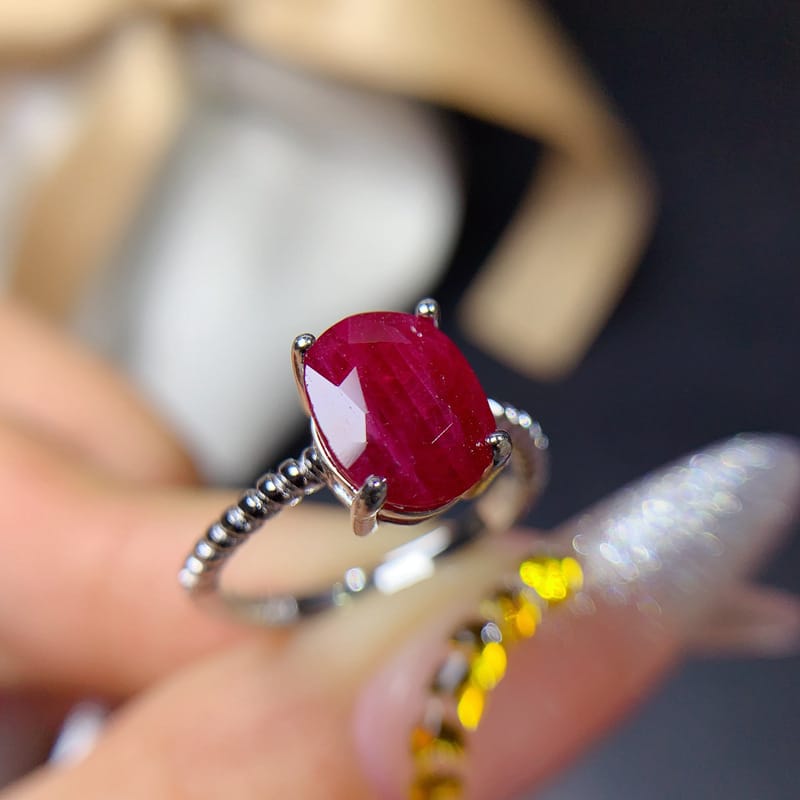
Simple natural old heated ruby 7*9mm ring 925 silver fashion women's ring
$530.00
Level 15% OFF
Level 210% OFF
Level 315% OFF