
 GB(GBP)
 CN(CNY)
Blog
Emerald: The Stone of Eternal Spring
- Mar.31, 2026 00:00:00
- 0 Comments
Long before diamonds became the standard of luxury, the emerald reigned as one of the most coveted gems on earth. Its lush green hue—the color of spring, rebirth, and life itself—has captivated civilizations for over four thousand years. From the tombs of Egyptian pharaohs to the treasuries of Mughal emperors, the emerald’s history is a sweeping tale of conquest, worship, and enduring beauty.
The emerald’s journey begins in ancient Egypt. Around 2000 BCE, the Pharaohs established the world’s first known emerald mines near Wadi Sikait in the Eastern Desert, a region they called “Mons Smaragdus.” Though these stones were often paler and more included than modern emeralds, they held profound spiritual significance. Egyptians associated green with fertility and resurrection, dedicating the gem to the goddess Isis. Pharaohs were buried with emerald scarabs carved as protective amulets for the afterlife. Cleopatra, history’s most famous emerald enthusiast, claimed ownership of all Egyptian emerald mines and was renowned for adorning herself and her palaces with the stone.
As trade routes expanded, emeralds traveled to Greece and Rome. Aristotle praised the gem’s virtues, and Roman emperor Nero was said to watch gladiatorial combat through a polished emerald, believing the green lens soothed his eyes. For centuries, the Egyptian mines supplied the ancient world, but by the Middle Ages, their output had dwindled. Emeralds became rare treasures in European courts, prized for their color and their supposed magical powers. The stone was believed to reveal unfaithful lovers, protect against evil spirits, and grant eloquence to its wearer.
The emerald’s history was forever transformed in the 16th century. When Spanish conquistadors arrived in South America, they encountered civilizations whose emerald wealth surpassed anything Europe had known. The Muzo and Chivor mines in present-day Colombia had been worked by the Muisca people for centuries. For the Muisca, emeralds were more sacred than gold. Legend held that they were the petrified tears of the goddess Fura, created as a symbol of eternal love.
Led by Gonzalo Jiménez de Quesada, the conquistadors seized these mines with ruthless efficiency. By the 1550s, Spanish galleons were carrying Colombian emeralds across the Atlantic. The stones from Muzo—with their deep, vivid green and characteristic bluish undertone—set a new global standard. These were emeralds unlike any seen in Europe since antiquity, and they quickly became the centerpiece of royal regalia across the continent.
The Spanish crown controlled the Colombian mines for over two centuries. During this time, emeralds flowed into the courts of Europe and, through trade networks, into the Mughal Empire of India. The Mughal emperors revered emeralds almost as highly as rubies, commissioning master artisans to carve them with intricate floral motifs and verses from the Quran. Some of these legendary Mughal emeralds—massive, perfectly carved, and of exceptional color—now reside in museum collections and royal treasuries around the world.
The 19th and 20th centuries brought new discoveries. Emeralds were found in Russia’s Ural Mountains, in Zambia, Brazil, and more recently in Ethiopia. Each source produces emeralds with distinct characteristics: Zambian emeralds often display a cooler, bluish-green tone, while Brazilian stones can range from pale to richly saturated.
One of the emerald’s most defining features is its inclusions. Unlike diamonds, which are prized for flawless clarity, emeralds are almost always born with internal fractures and inclusions. Gemologists poetically call these features *jardin*—the French word for garden—as they resemble delicate plant life suspended within the stone. Rather than diminishing value, these inclusions serve as proof of natural origin and lend each emerald its unique character.
Today, Colombia remains the benchmark for fine emeralds, with the Muzo, Chivor, and Coscuez mines producing stones of breathtaking beauty. The emerald is the birthstone for May and a traditional gift for 55th wedding anniversaries, yet its appeal transcends calendars and customs.
From Cleopatra’s Egypt to the Spanish conquest, from Mughal courts to modern jewelry collections, the emerald has journeyed through human history as a symbol of life, renewal, and enduring splendor. To hold an emerald is to hold a piece of that history—a vibrant green flame that has burned for millennia and continues to captivate.
Post Comment
Your email address will not be published.Required fields are marked. *
-
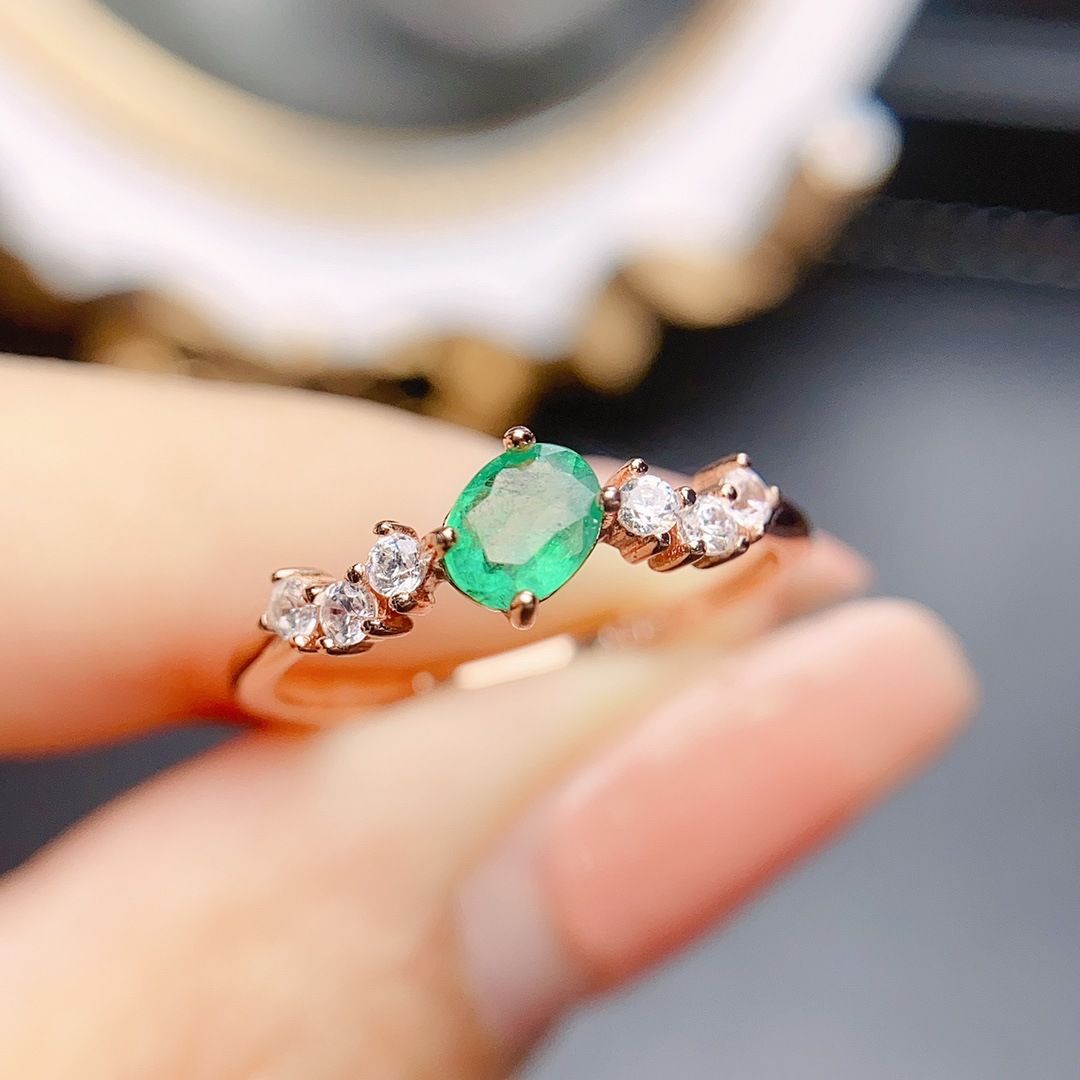
Natural emerald ring S925 silver inlaid main stone 4*5 mm
$145.00

 Level 15% OFF
Level 210% OFF
Level 315% OFF
-
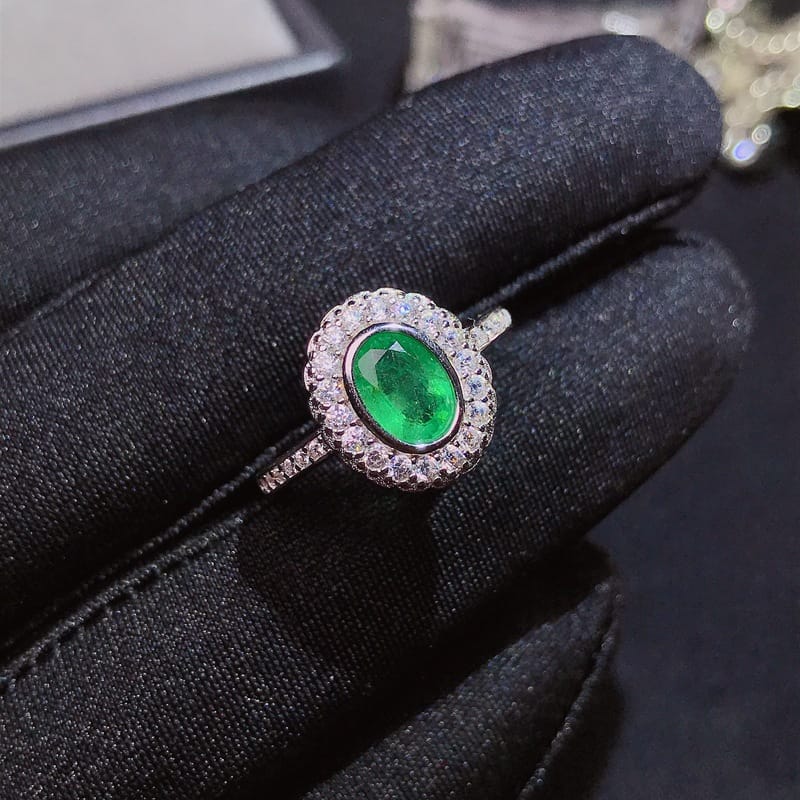
Real around drill natural Zambia 5*7mm emerald ring 925 silver
$389.69
Level 15% OFF
Level 210% OFF
Level 315% OFF
-
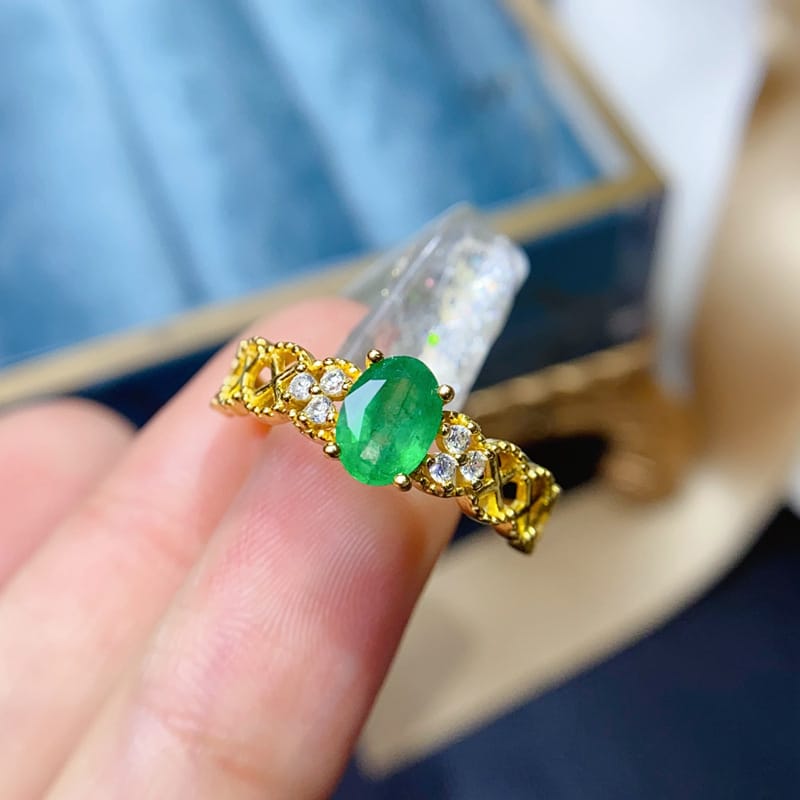
Simple 925 silver inlaid natural emerald ring 7*5mm
$530.00
Level 15% OFF
Level 210% OFF
Level 315% OFF
-
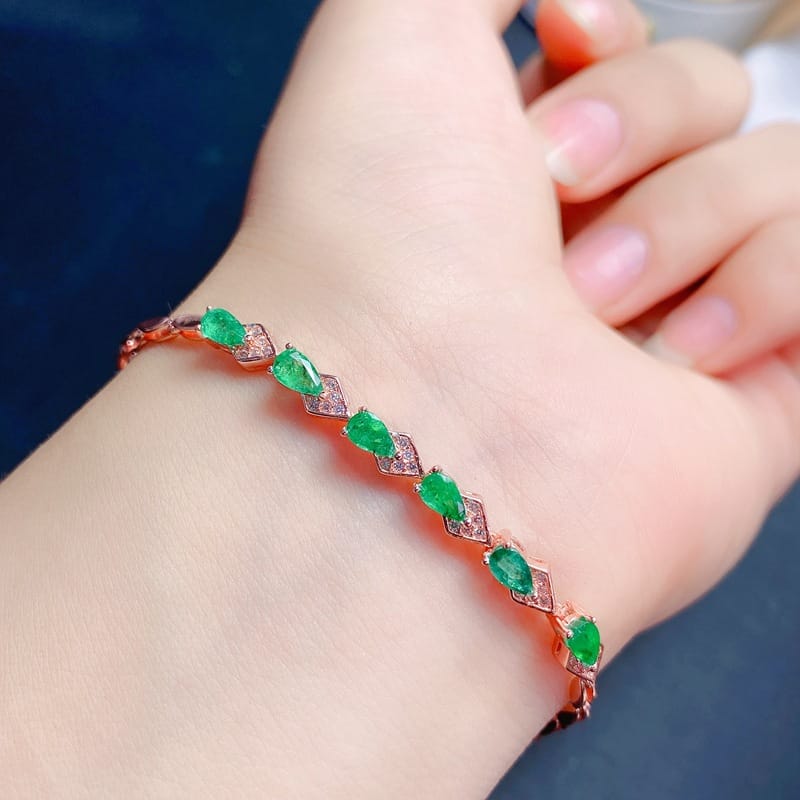
Natural emerald bracelet jewelry beautiful colour
$320.00
Level 15% OFF
Level 210% OFF
Level 315% OFF
-
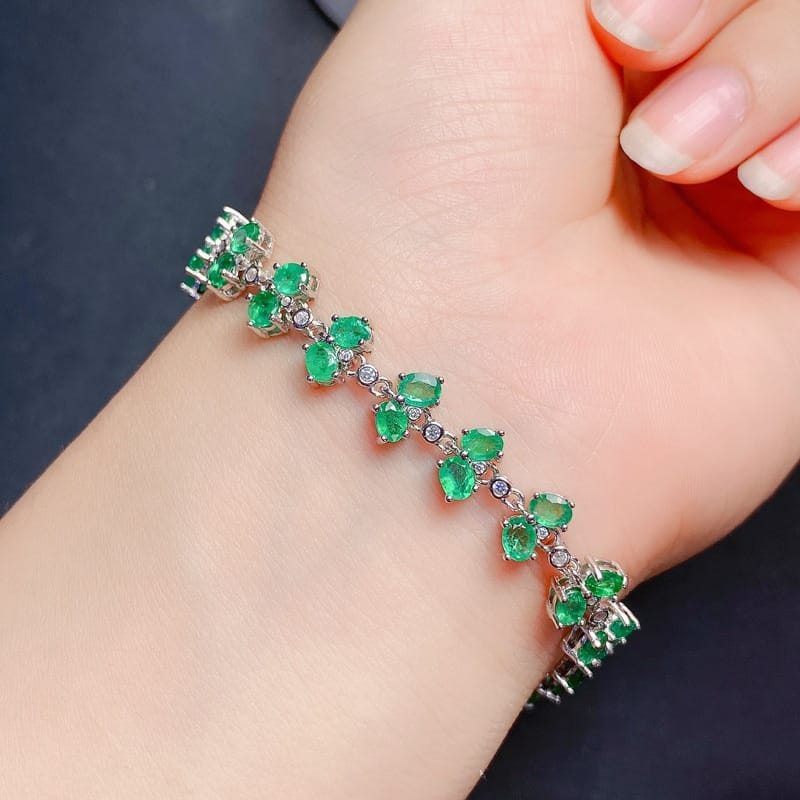
Emerald women's bracelet 925 silver inlaid natural emerald bracelet women's bracelet
$1,365.00
Level 15% OFF
Level 210% OFF
Level 315% OFF
-
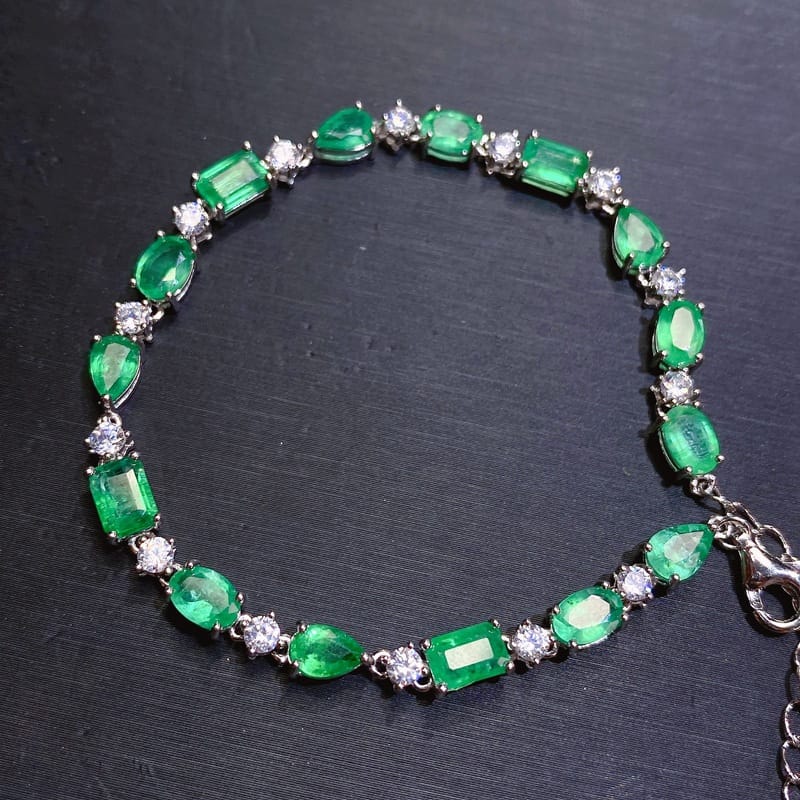
Emerald women's bracelet 925 silver inlaid natural emerald bracelet women's bracelet
$2,409.00
Level 15% OFF
Level 210% OFF
Level 315% OFF
-
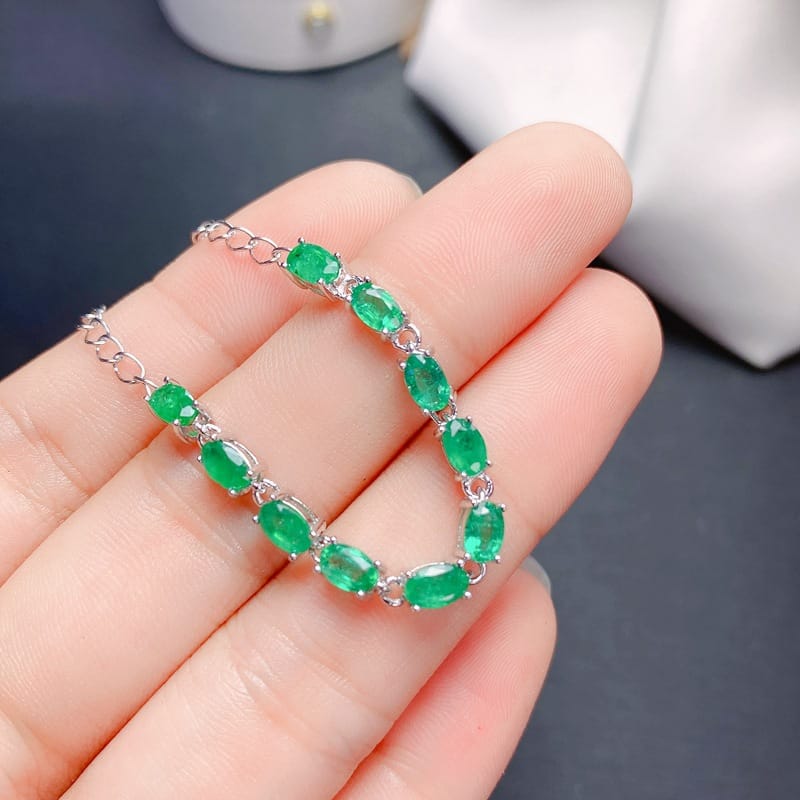
925 silver inlaid natural emerald bracelet simple style
$463.00
Level 15% OFF
Level 210% OFF
Level 315% OFF
-
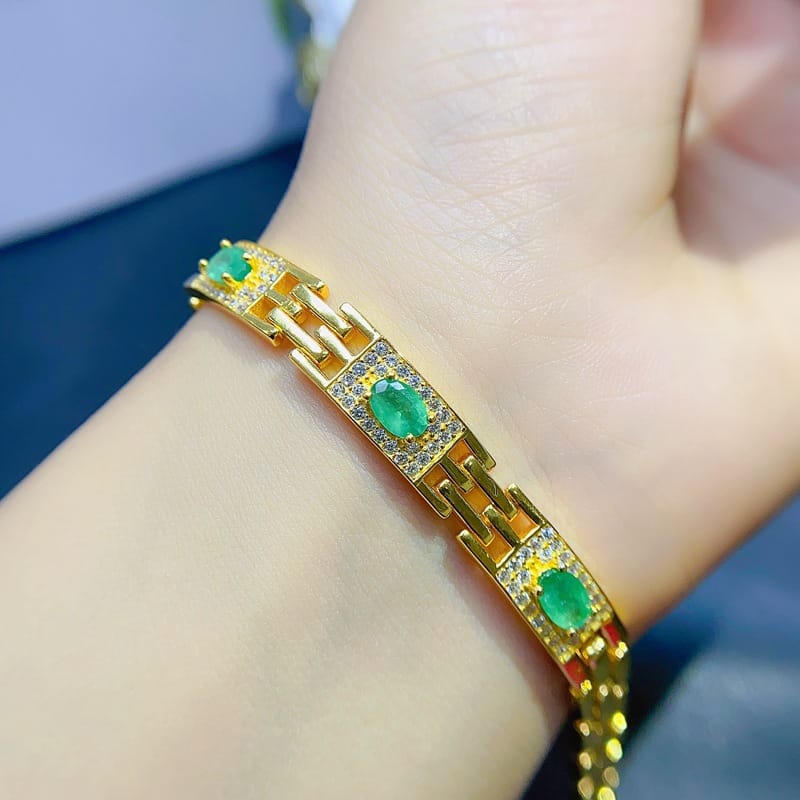
Fashion new simple natural emerald women's bracelet 925 silver color treasure gift for girlfriend
$382.00
Level 15% OFF
Level 210% OFF
Level 315% OFF
-
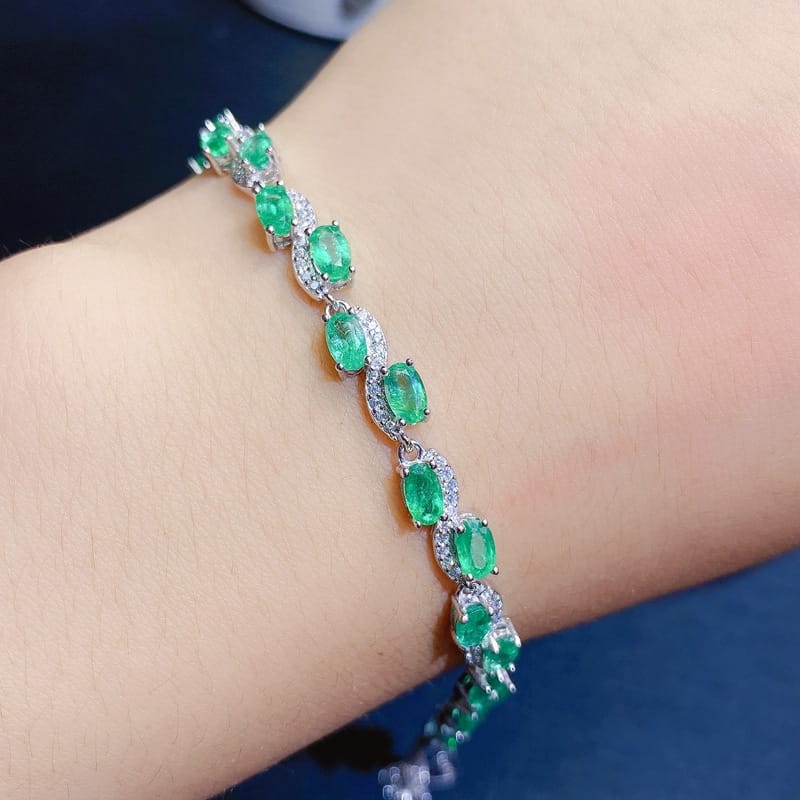
Emerald women's bracelet 925 silver inlaid natural emerald bracelet women's bracelet
$1,009.99
Level 15% OFF
Level 210% OFF
Level 315% OFF
-
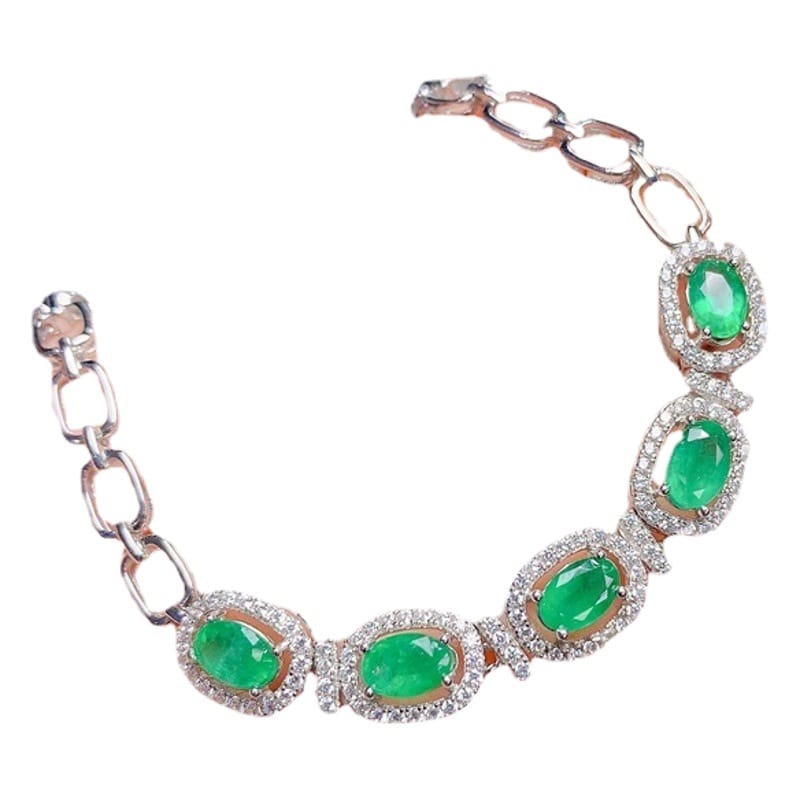
Emerald women's bracelet 925 silver inlaid natural emerald bracelet women's chain
$710.00
Level 15% OFF
Level 210% OFF
Level 315% OFF
-
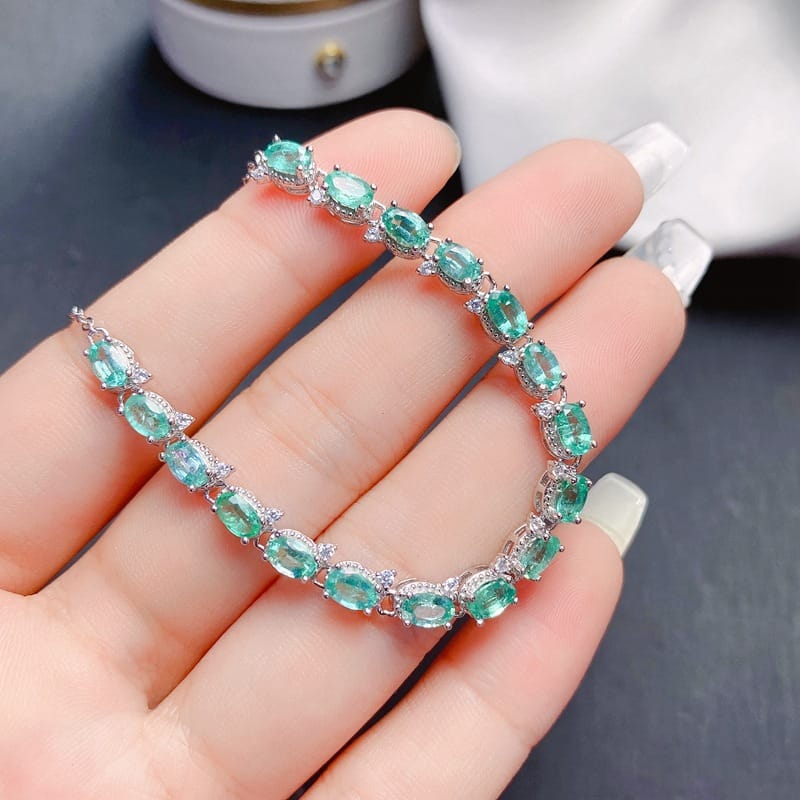
925 silver inlaid natural emerald bracelet with extended chain Women's bracelet
$720.00
Level 15% OFF
Level 210% OFF
Level 315% OFF
-
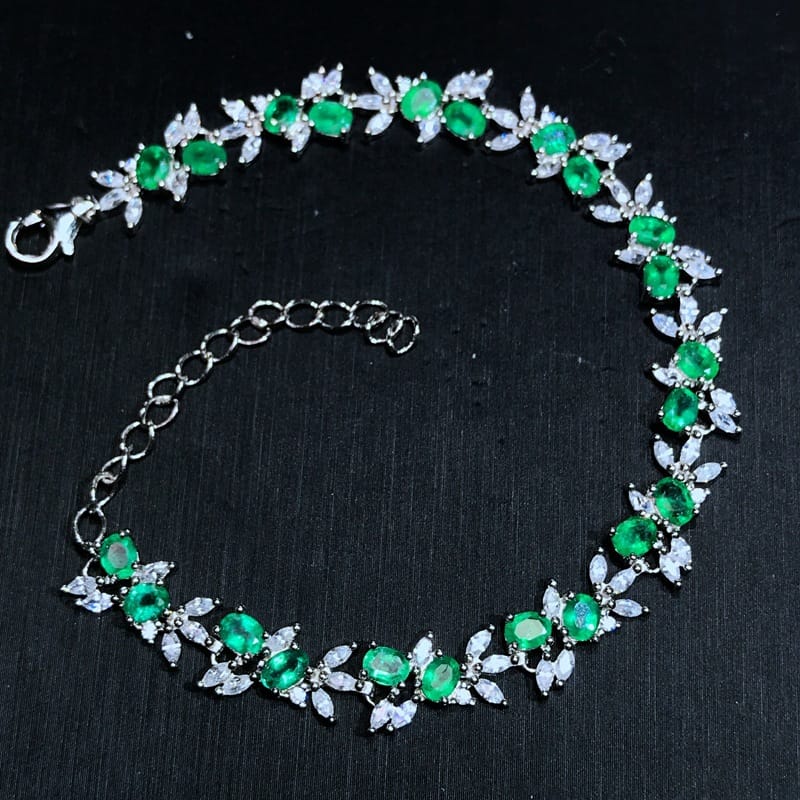
925 silver inlaid natural emerald bracelet with extended chain Women's bracelet
$900.90
Level 15% OFF
Level 210% OFF
Level 315% OFF
-
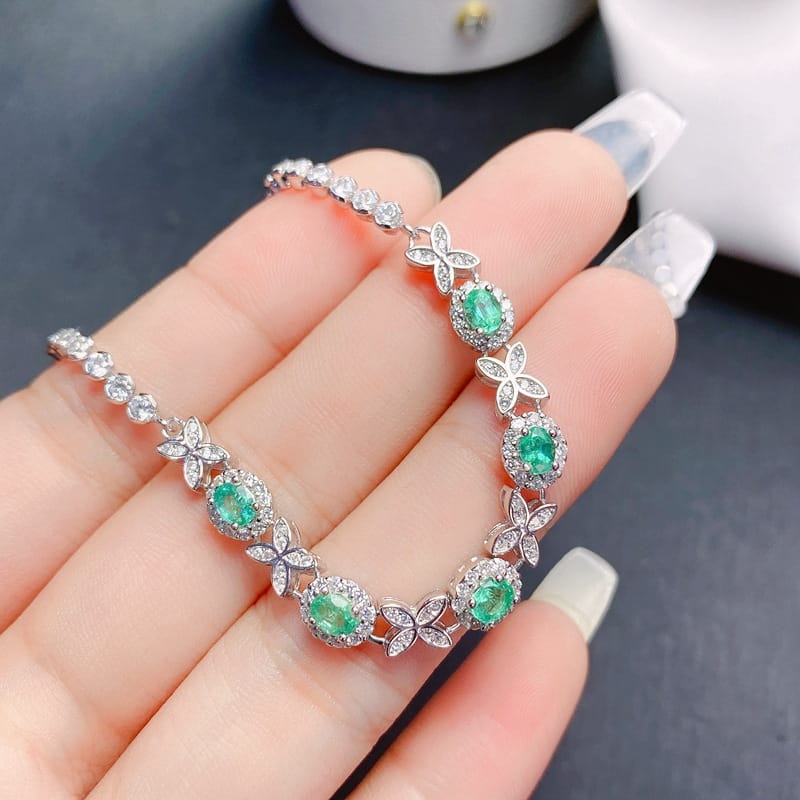
Natural Emerald Bracelet 925 Silver Women's High-end Light Luxury Style Fashion
$266.00
Level 15% OFF
Level 210% OFF
Level 315% OFF
-
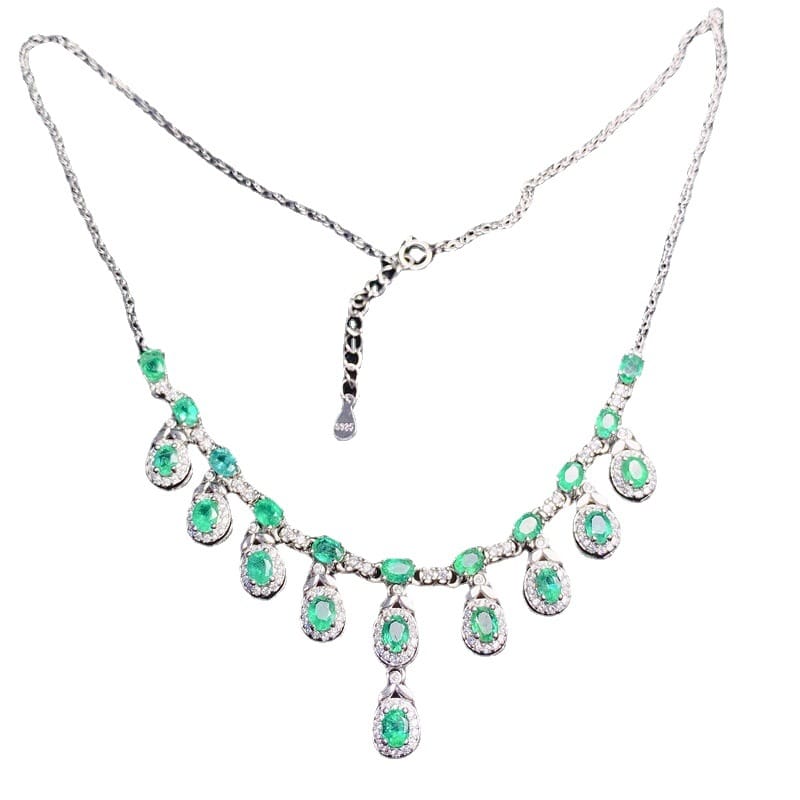
Emerald Necklace Deluxe Exquisite 925 Silver Ladies Natural Gemstone
$812.00
Level 15% OFF
Level 210% OFF
Level 315% OFF
-
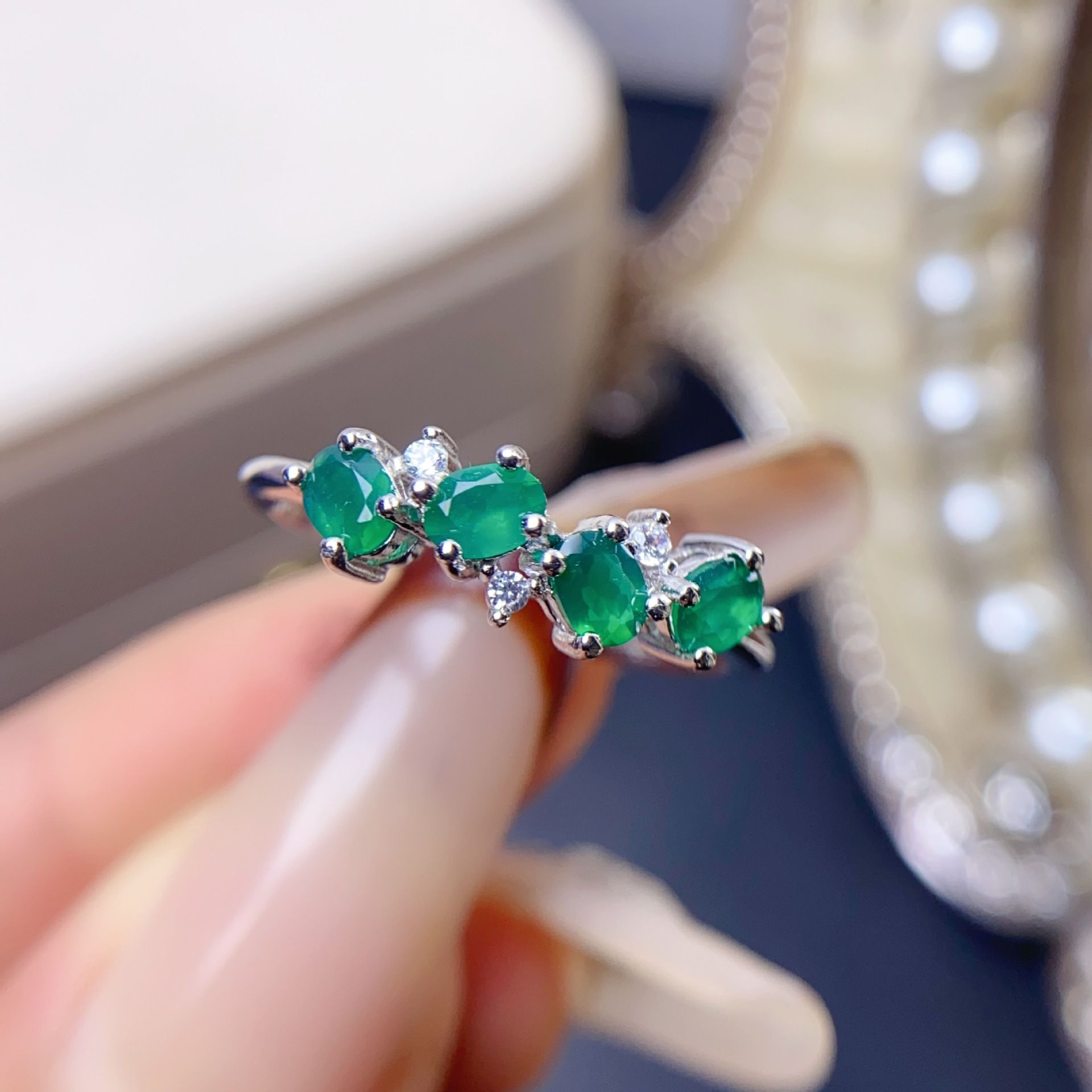
Natural Emerald women's ring main stone 3*4mm 925 Silver open style fashion colorful treasure
$170.00
Level 15% OFF
Level 210% OFF
Level 315% OFF
-
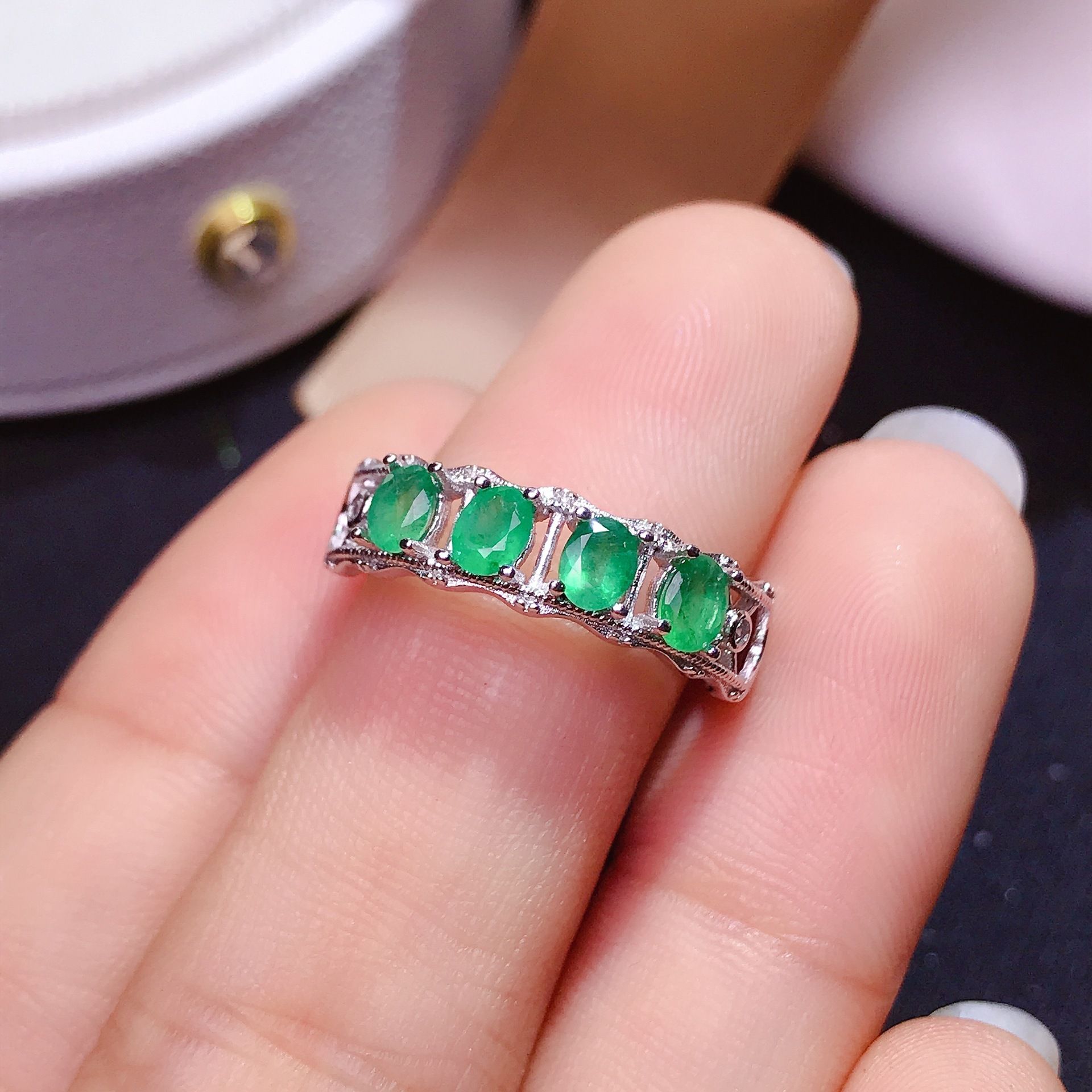
Emerald ring natural Columbia emerald ring 925 silver inlaid Emerald
$158.00
Level 15% OFF
Level 210% OFF
Level 315% OFF
-
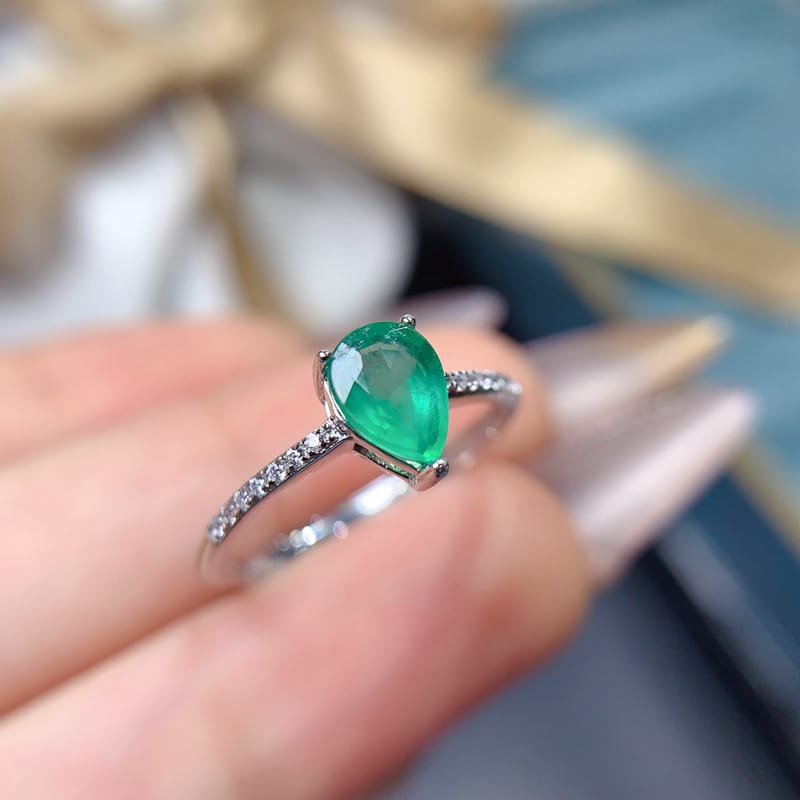
$365.00
Level 15% OFF
Level 210% OFF
Level 315% OFF
-
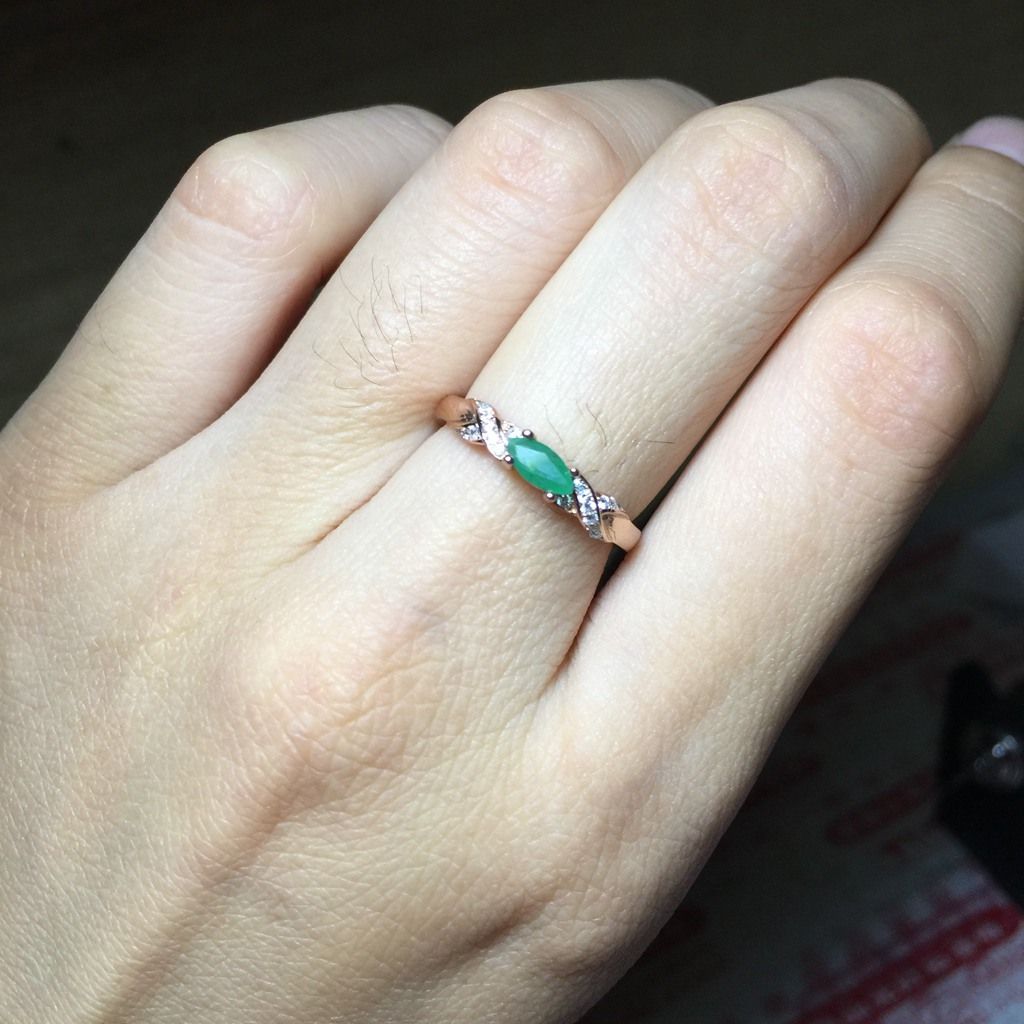
Natural emerald ring 925 silver inlaid recommended
$60.00
Level 15% OFF
Level 210% OFF
Level 315% OFF
-
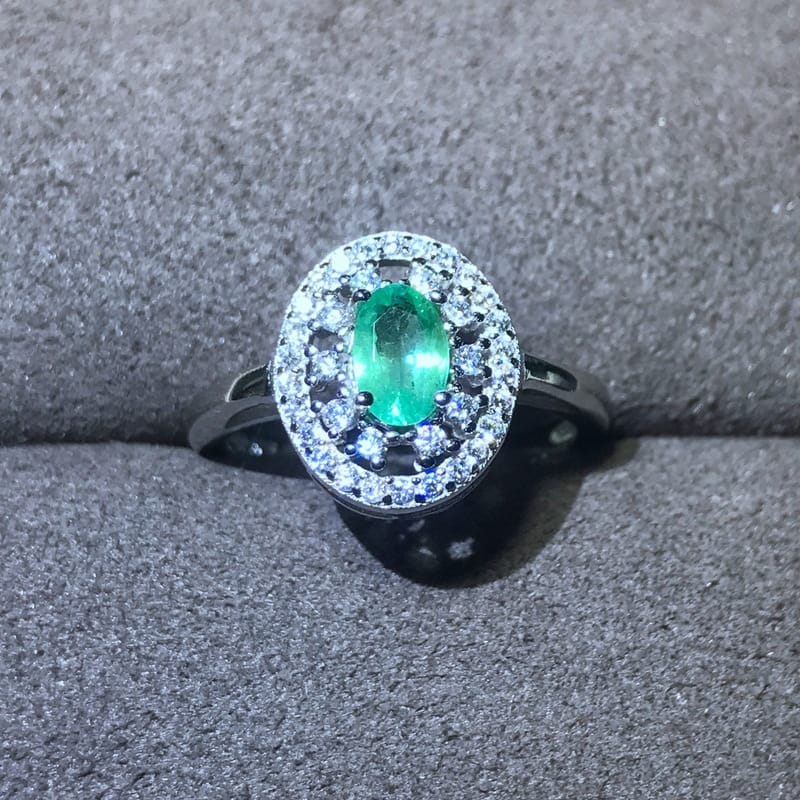
0.5 karat natural emerald ring New 925 silver color number high clarity physical photo
$105.00
Level 15% OFF
Level 210% OFF
Level 315% OFF
-
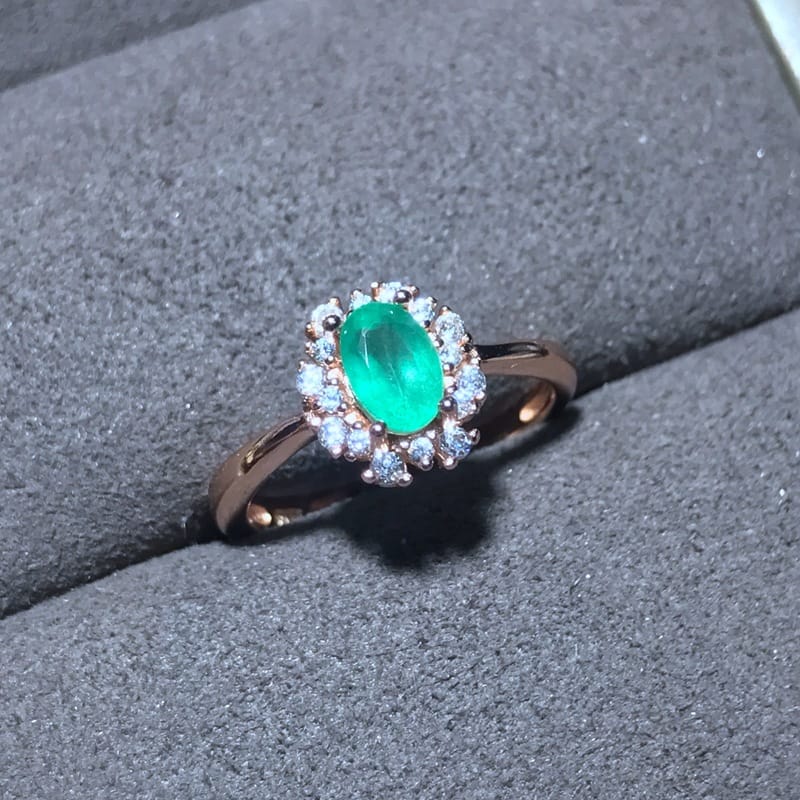
Real around drilling natural Zambian emerald ring 925 silver
$105.00
Level 15% OFF
Level 210% OFF
Level 315% OFF